Head office: 1Ya, Vyhovskoho st., office 37, Irpin, Ukraine
 Mon-Fri: 08:30-18:30


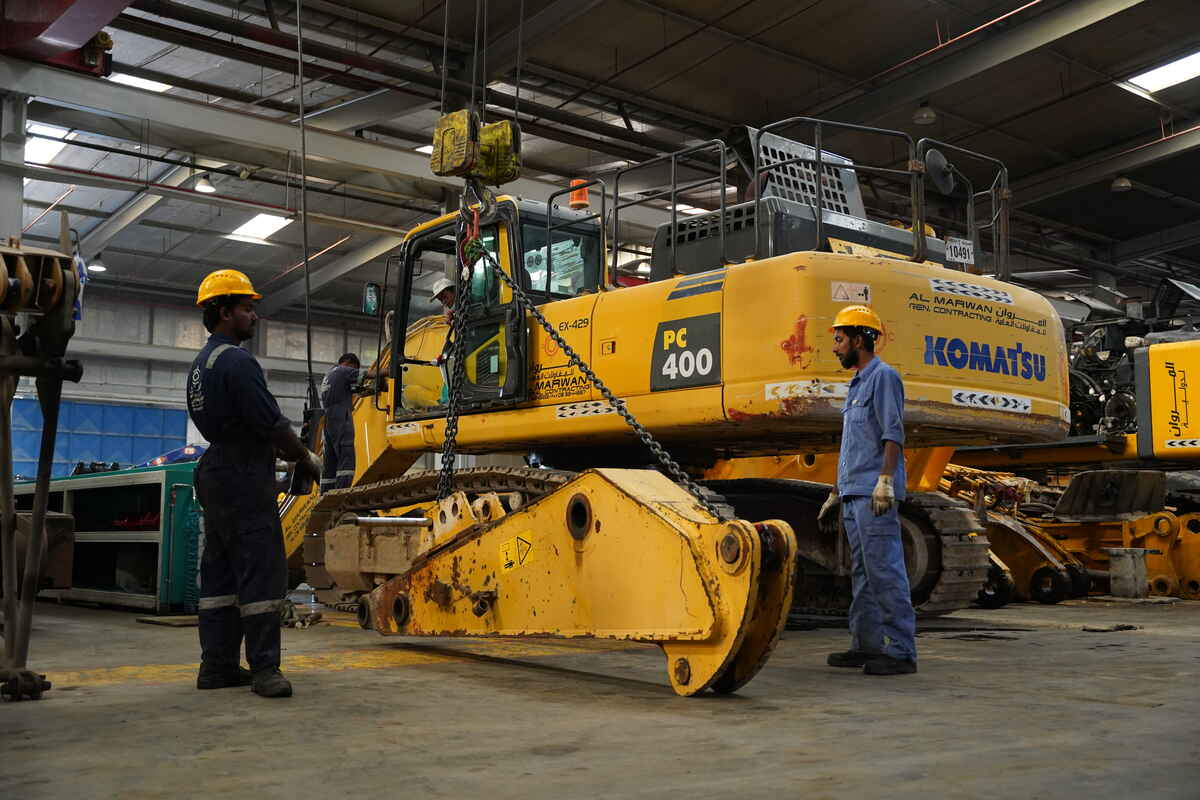
Major overhauls of special equipment are often perceived as a guarantee of a “second life” for the vehicle. Owners expect that after replacing key components, the equipment will operate reliably and without major problems for a long time. However, in practice, the opposite often happens: after a major overhaul, the vehicle begins to fail faster than before. This naturally raises questions and frustration. Below is an analysis of the main reasons why this occurs, from a technical perspective.
1. Imbalance between new and worn components
One of the most common causes is a partial overhaul. When only one major component (engine, hydraulic pump, gearbox) is replaced, while the remaining systems remain unaffected, the overall load balance is disrupted.
As a result:
- the new node works in conjunction with the old components;
- the load on the mating parts increases;
- wear and tear shifts to the “weak spots” that have not been restored.
Such equipment may appear updated on the outside, but in reality it becomes less resistant to stress than before the repair.
2. Use of non-original or unsuitable components
Major repairs are often carried out to save money, and this directly impacts the choice of spare parts. Non-genuine equivalents or parts of dubious origin may not meet the manufacturer’s tolerances.
Technical implications:
- violation of thermal clearances;
- unstable operation under load;
- accelerated wear of rubbing elements;
- increased vibration and noise.
In the short term, the equipment may work fine, but with intensive use, defects appear very quickly.

3. Assembly errors and lack of factory conditions
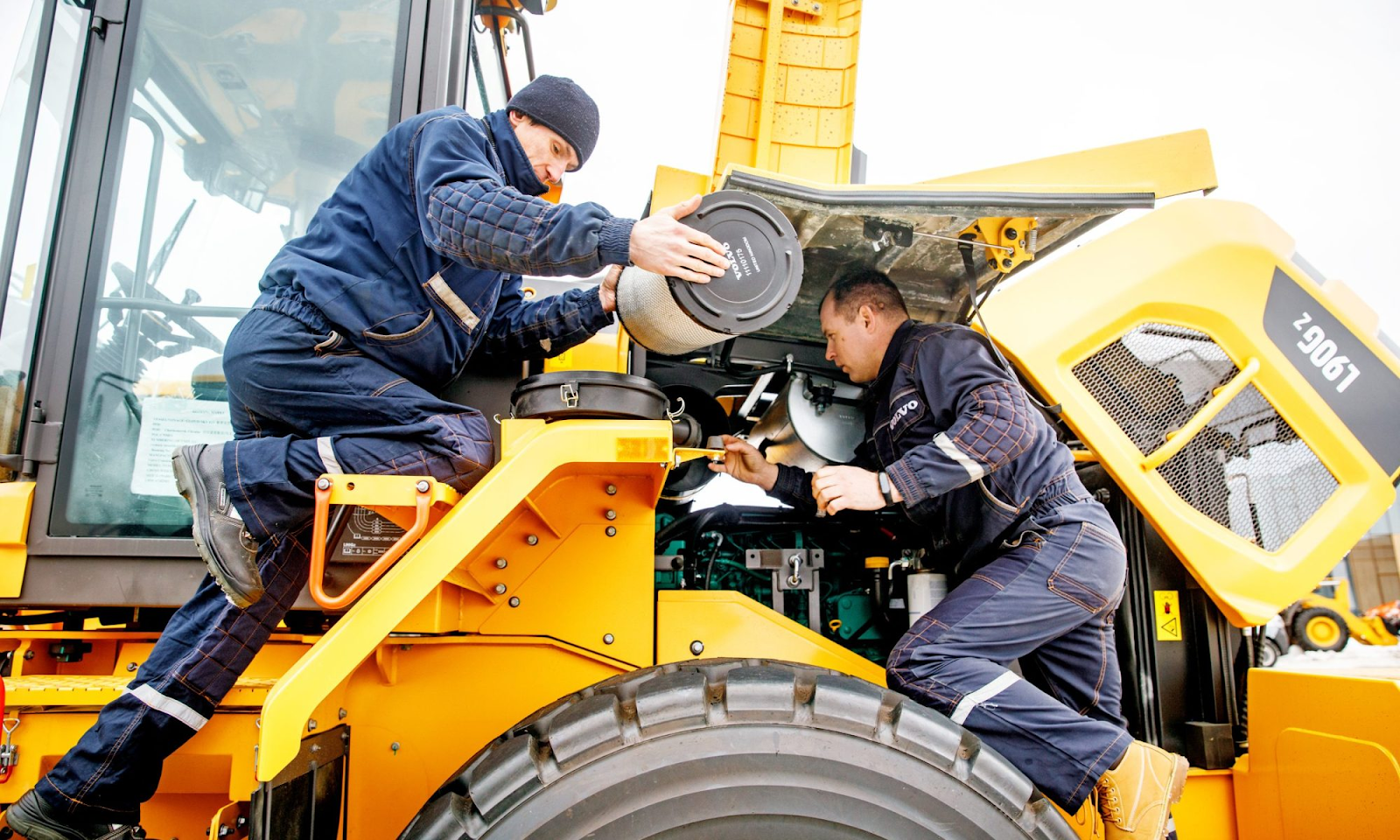
Even high-quality spare parts don’t guarantee reliability if the overhaul wasn’t performed in accordance with the required manufacturing procedures. It’s impossible to fully replicate factory assembly standards in a typical repair shop.
The most common problems:
- incorrect tightening of fasteners;
- misalignment of shafts and gears;
- hydraulic adjustment errors;
- Incorrect calibration of electronic systems.
These defects are not always immediately noticeable, but lead to accelerated failure of the refurbished components.
4. Lack of proper running-in after repair
After a major overhaul, equipment requires a mandatory break-in period. In practice, this stage is often ignored, with the vehicle immediately put into full operation.
Consequences of lack of running-in:
- increased wear of new parts;
- overheating of components;
- unstable operation under load;
- reduction in the actual service life of reconditioned units.
Without a gradual increase in load, even a new engine or hydraulic system quickly loses its stated service life.
5. Major repairs as an attempt to “reanimate” a critically worn-out machine
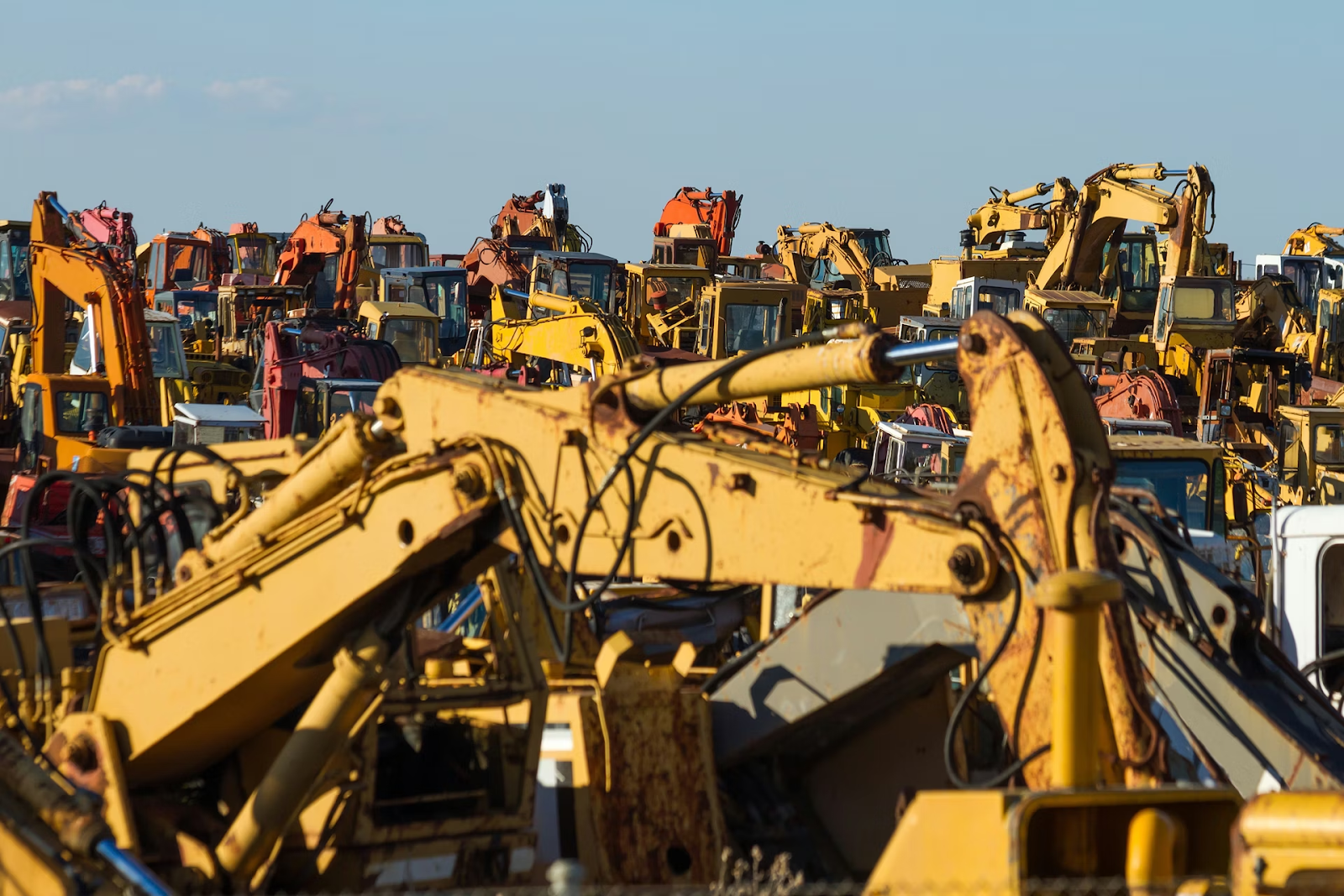
Sometimes major repairs are performed on equipment that has already reached the end of its service life. In such cases, the repairs do not solve systemic problems, but merely temporarily mask them.
Signs of such a scenario:
- fatigue cracks in the frame and metal structures;
- hidden corrosion;
- general high wear and tear of all systems;
- non-compliance of the equipment with the current operating conditions.
As a result, even after investment, the machine remains unreliable and requires constant modifications.
Why major repairs don’t always equal reliability
Major repairs are a complex and expensive process that is only justified if the equipment’s condition is properly assessed and all technical requirements are met. Otherwise, they become a source of new risks and unpredictable breakdowns.
This is why many companies are increasingly choosing an alternative approach: purchasing equipment with a clear operating history, without radical modifications to the design.
A rational alternative to major repairs
In many cases, a more reliable and cost-effective solution is used special equipment with clear component condition and no signs of aggressive restoration. This approach avoids hidden defects typical of equipment after questionable overhauls and ensures a predictable service life without unnecessary risks.
At TAD Group, we select used specialized equipment based on its actual technical condition, future operating conditions, and economic feasibility, allowing businesses to operate reliably without unexpected downtime or repeated investments.