Head office: 1Ya, Vyhovskoho st., office 37, Irpin, Ukraine
 Mon-Fri: 08:30-18:30


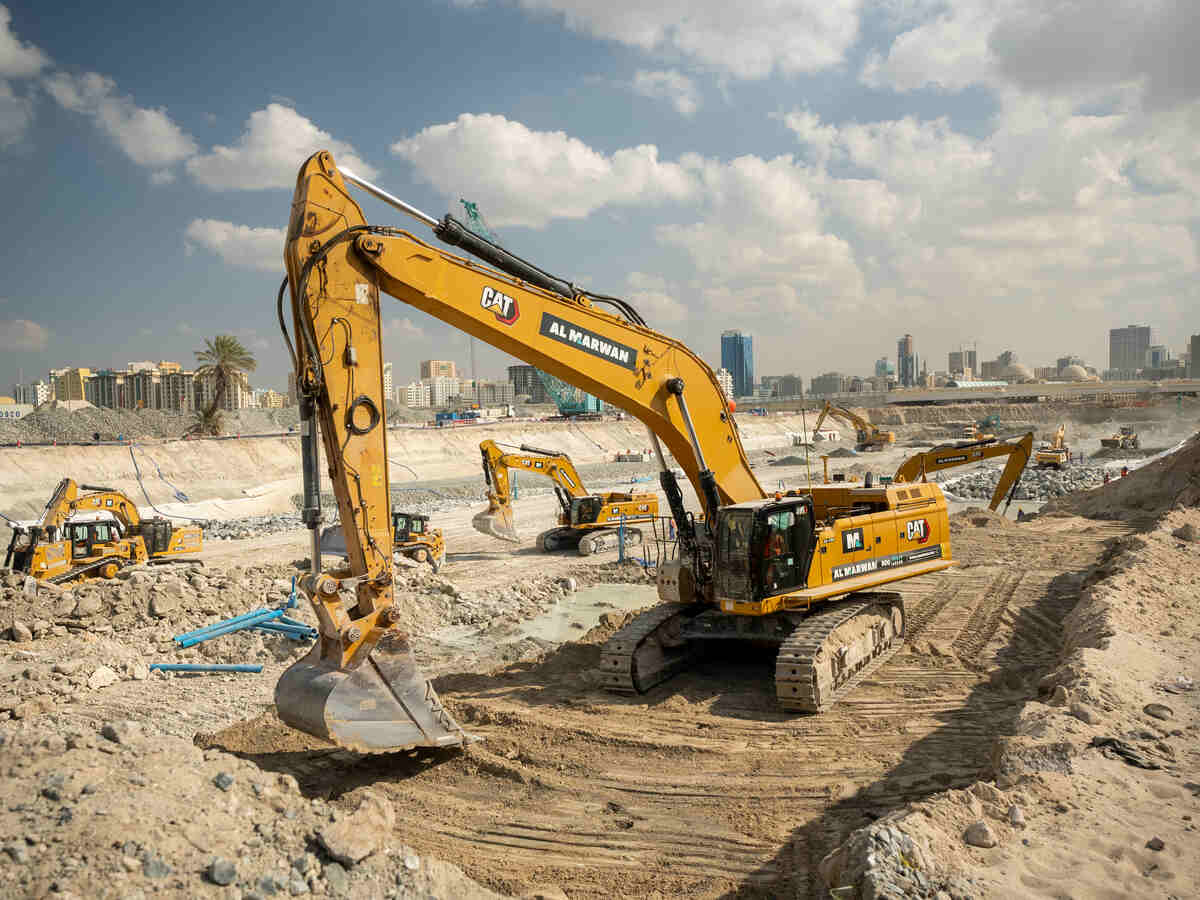
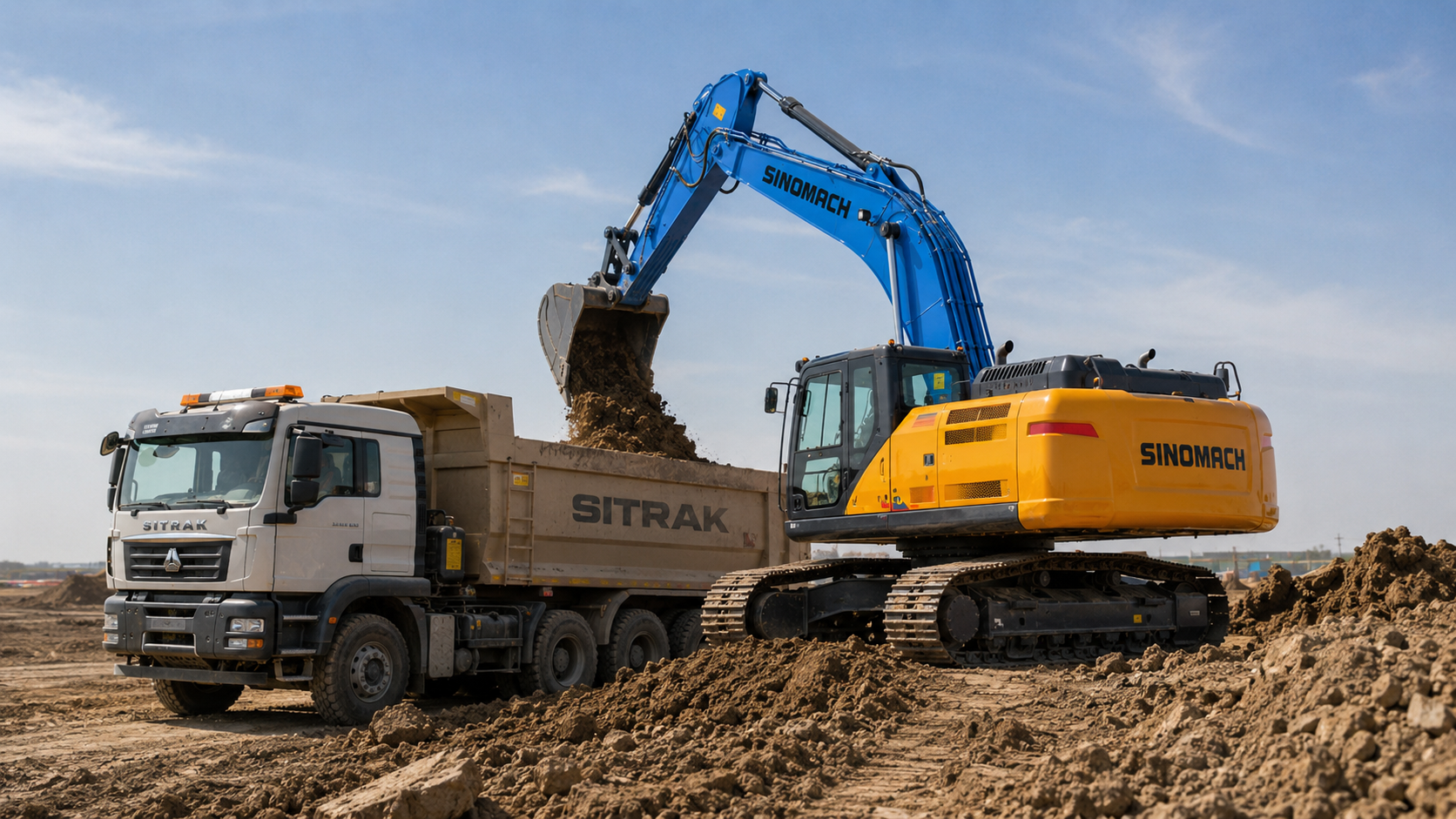
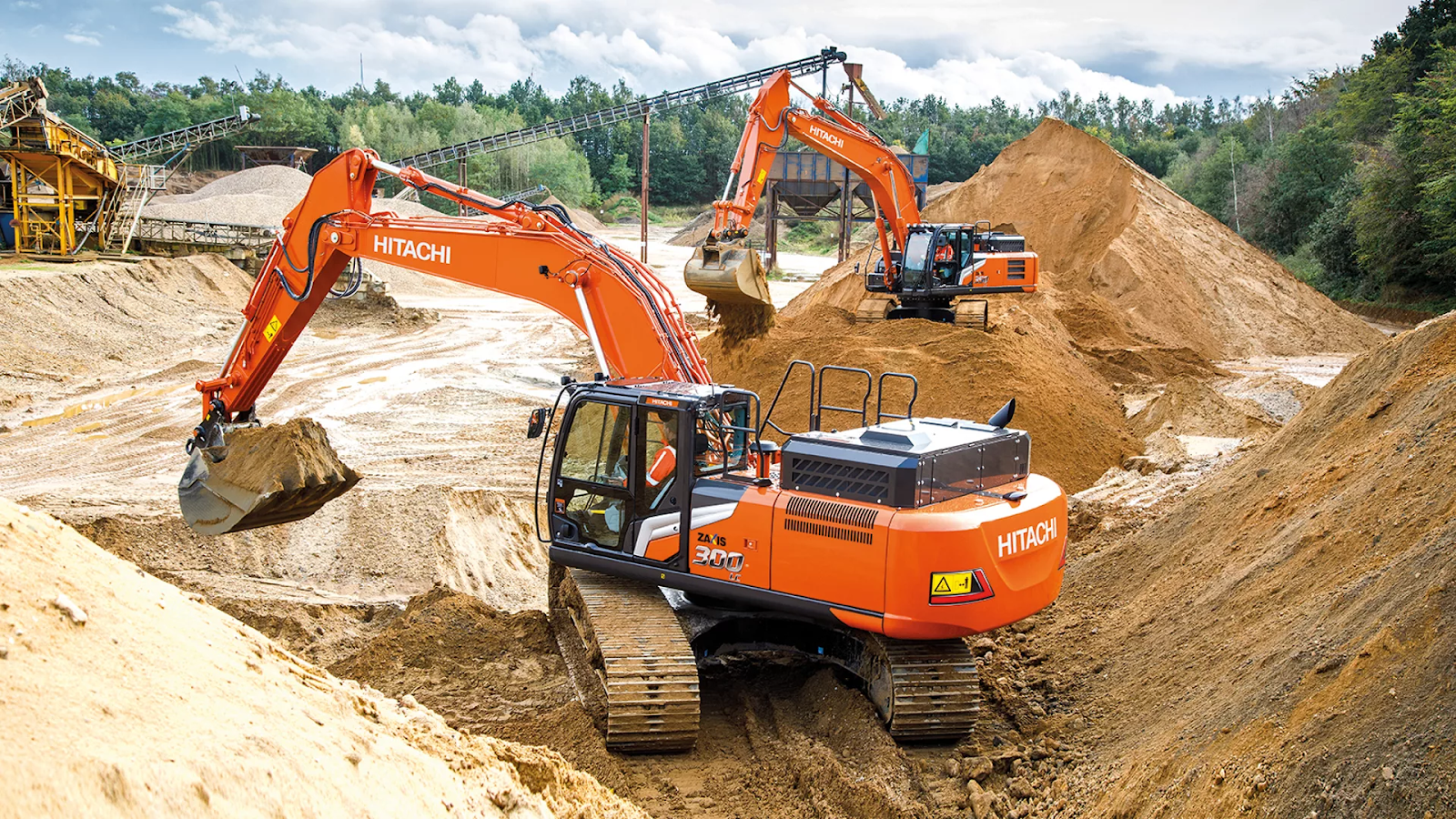
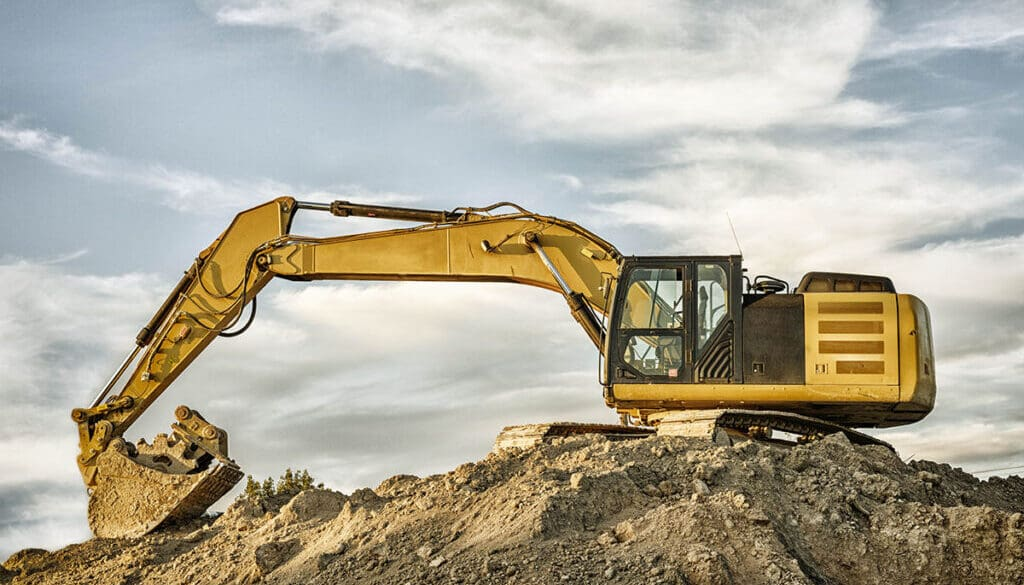
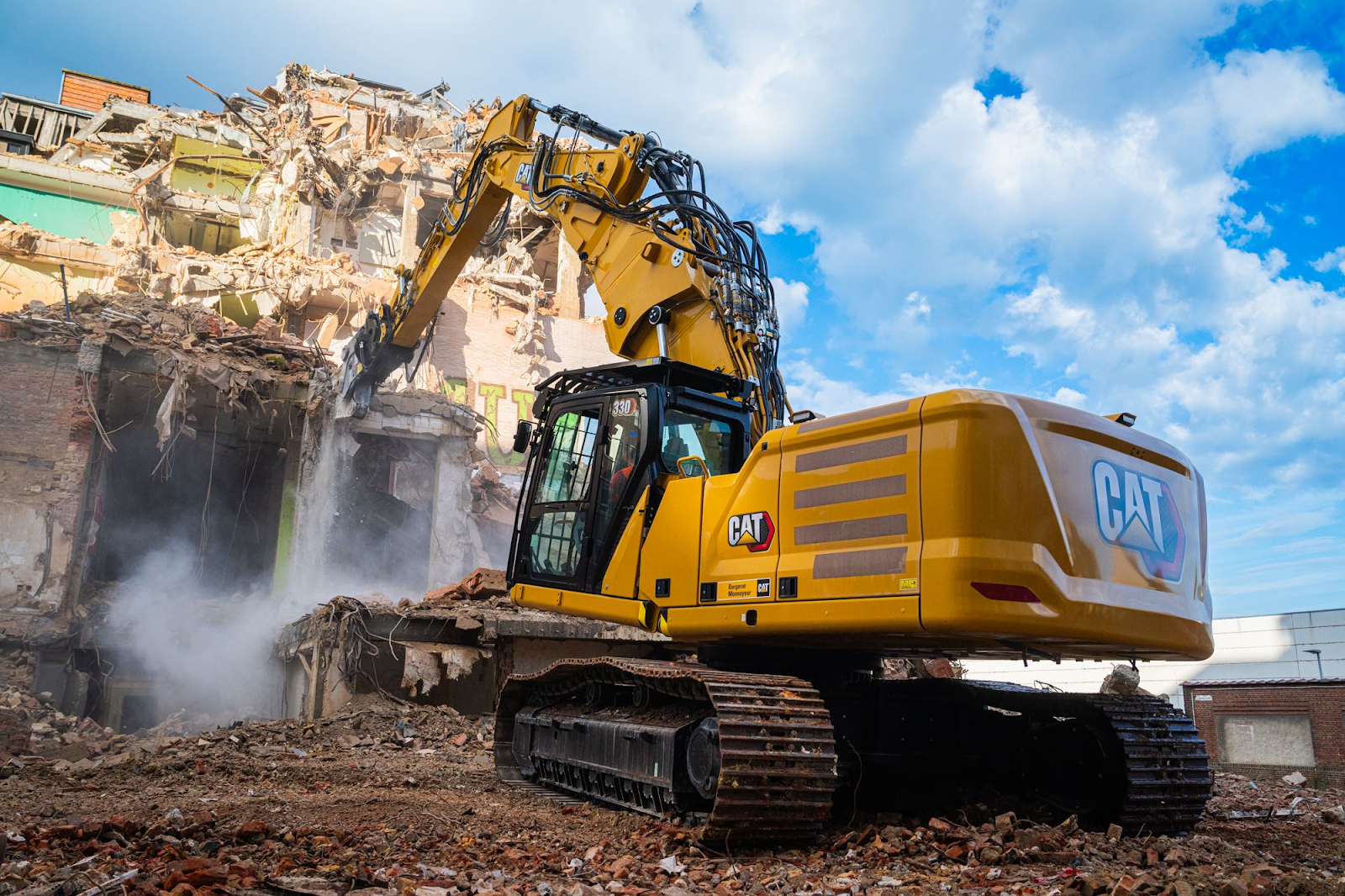
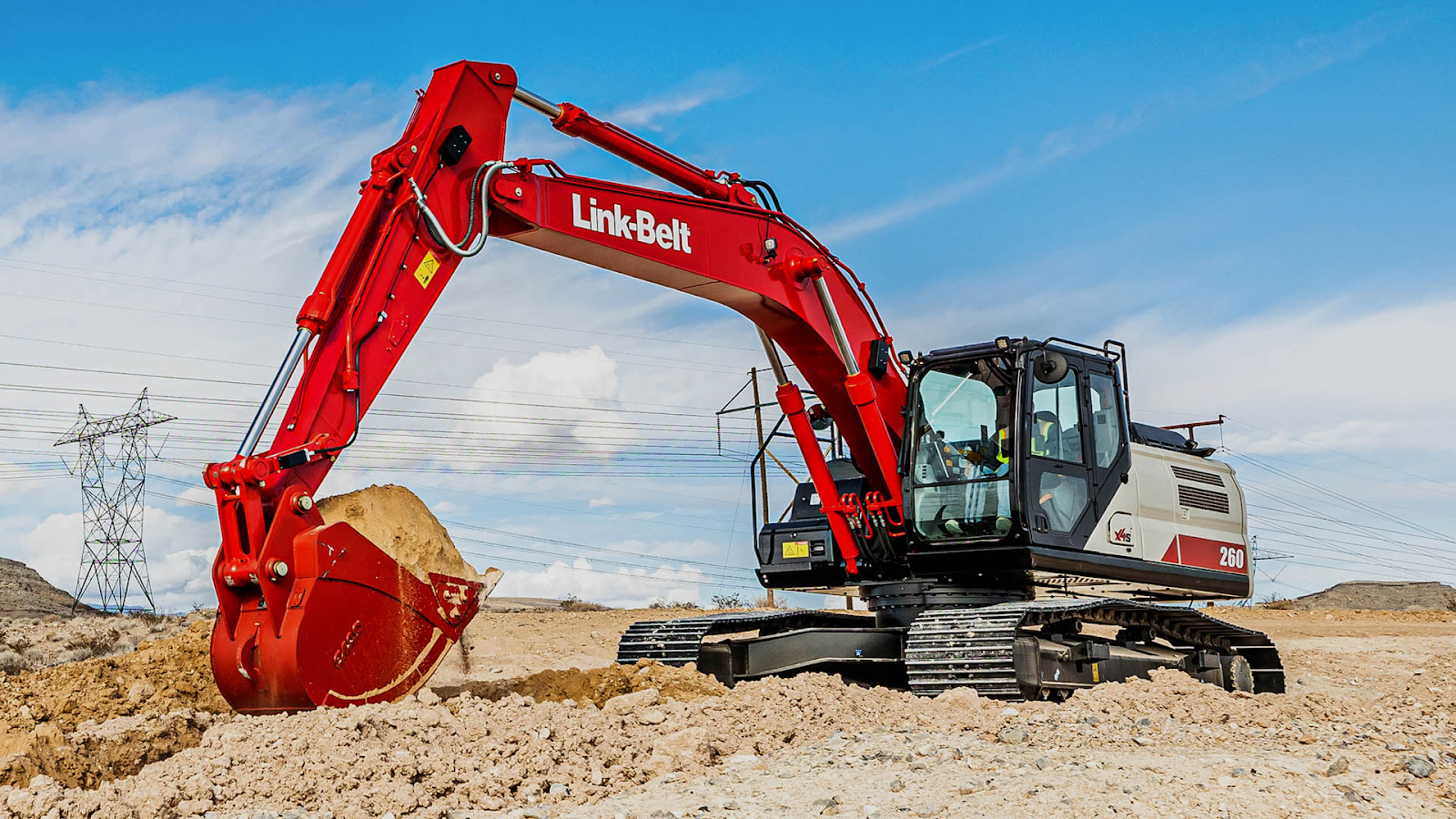
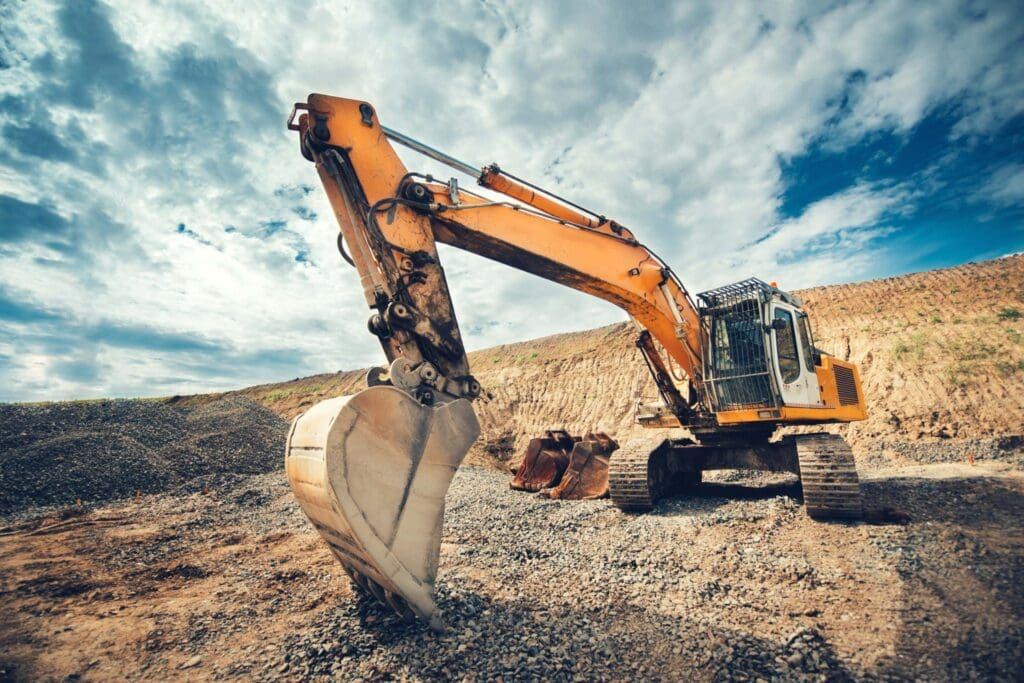
The construction of heavy-duty projects—industrial complexes, infrastructure facilities, logistics terminals, bridges, and energy hubs—places increased demands on equipment. In such projects, stability, traction, the ability to operate under constant high loads, and reliability on difficult terrain play a crucial role. This is why crawler excavators remain the standard machine for heavy construction, despite the advancement of general-purpose and wheeled equipment.
Why heavy construction requires specialized equipment
Heavy objects have a number of characteristics:
- large volumes of excavation work;
- working with dense and heterogeneous soils;
- high loads on the boom and hydraulics;
- long cycles without stops;
- limited requirements for mobility, but increased requirements for stability.
In such conditions, general-purpose equipment quickly reaches its limits, while crawler excavators are designed specifically for long-term and intensive use.
High stability as a key advantage
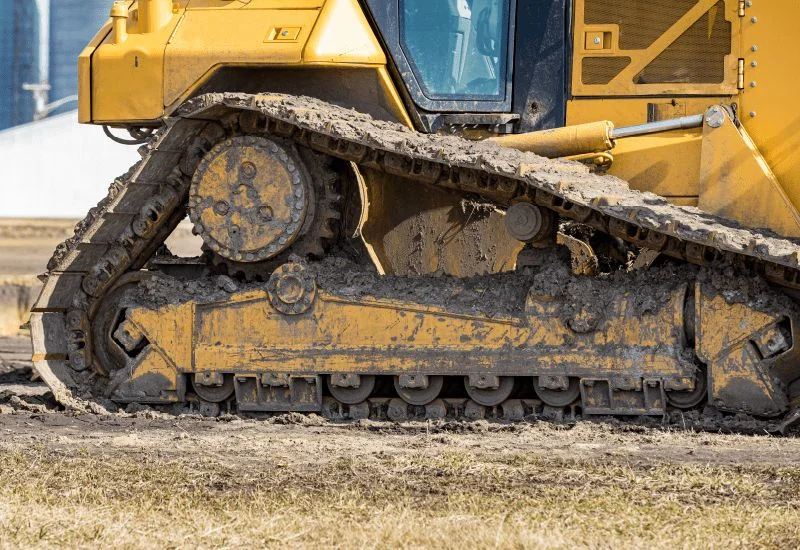
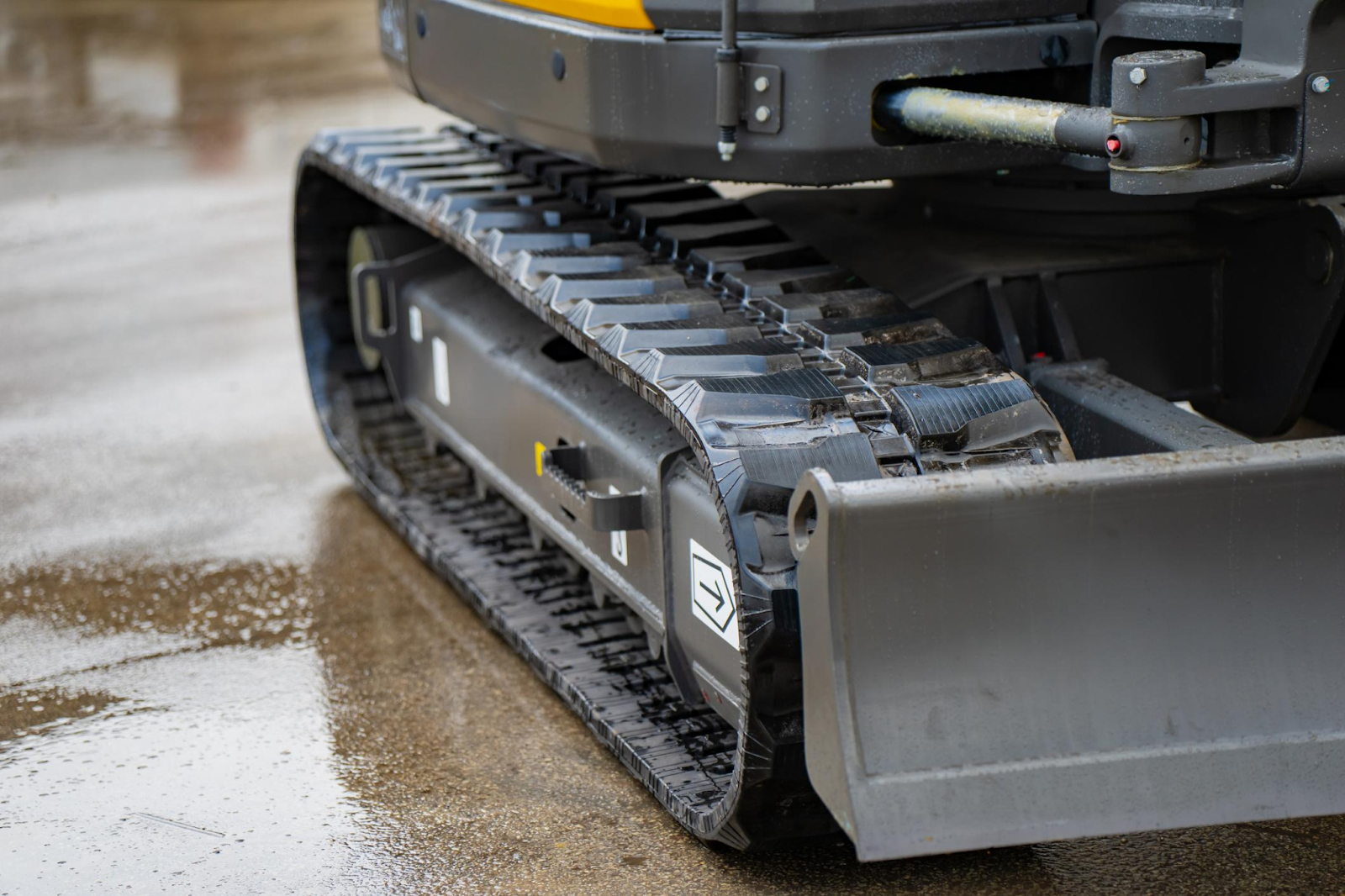
The main design feature of a crawler excavator is its wide support base. The crawler drive evenly distributes the machine’s weight over a large area, reducing ground pressure.
This ensures:
- stable operation on soft and weak grounds;
- safety when digging deep;
- minimal risk of tipping over;
- the ability to work with heavy attachments.
On heavy construction sites, stability directly impacts not only productivity but also personnel safety.

Work on difficult and unstable soils
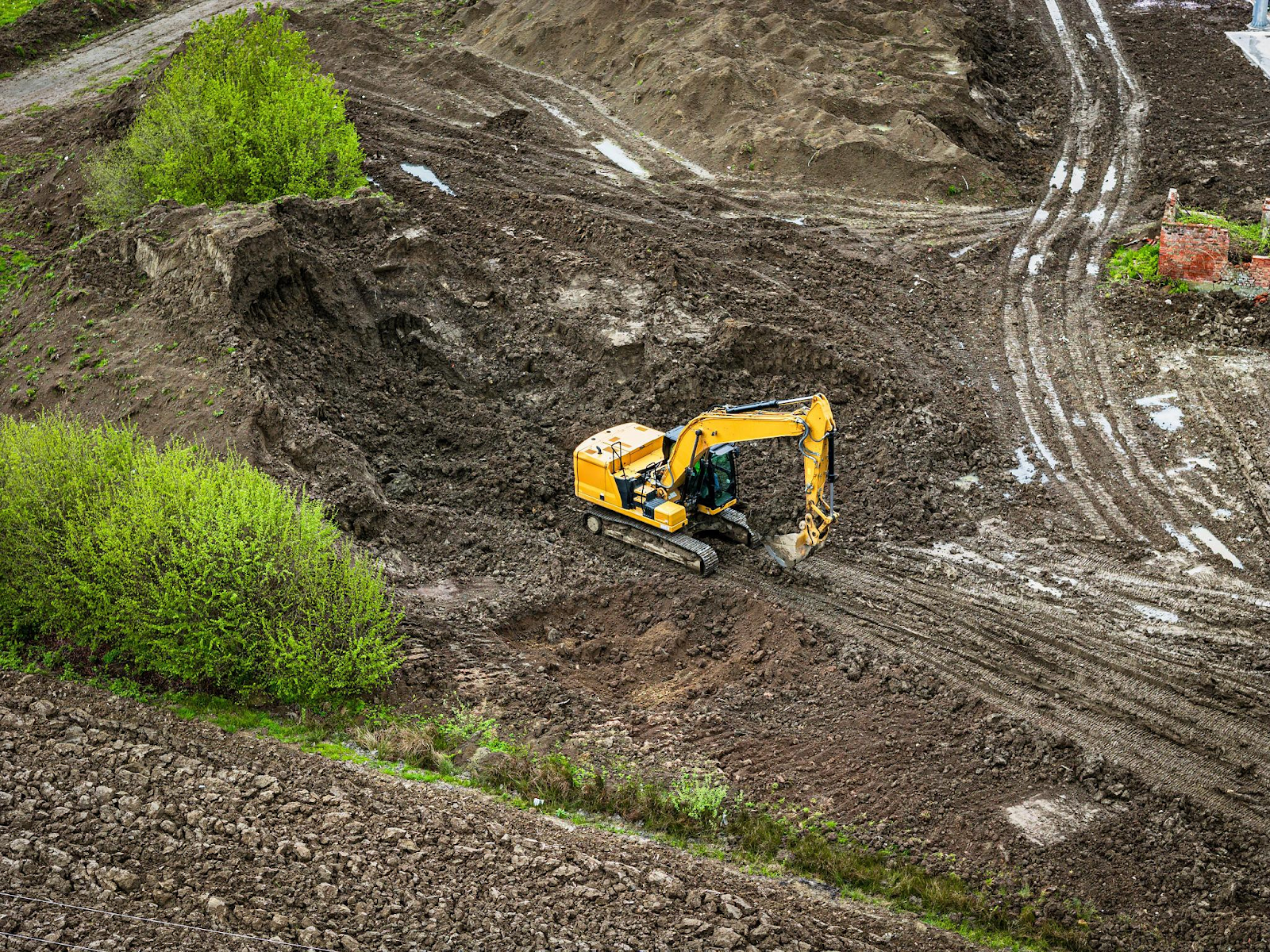
Most heavy construction projects are built on sites with problematic soils: clay, sand, alluvial and waterlogged foundations. In such conditions, wheeled vehicles lose traction and require constant site preparation.
Crawler excavators work effectively:
- in swampy areas;
- in the construction of dams and hydraulic structures;
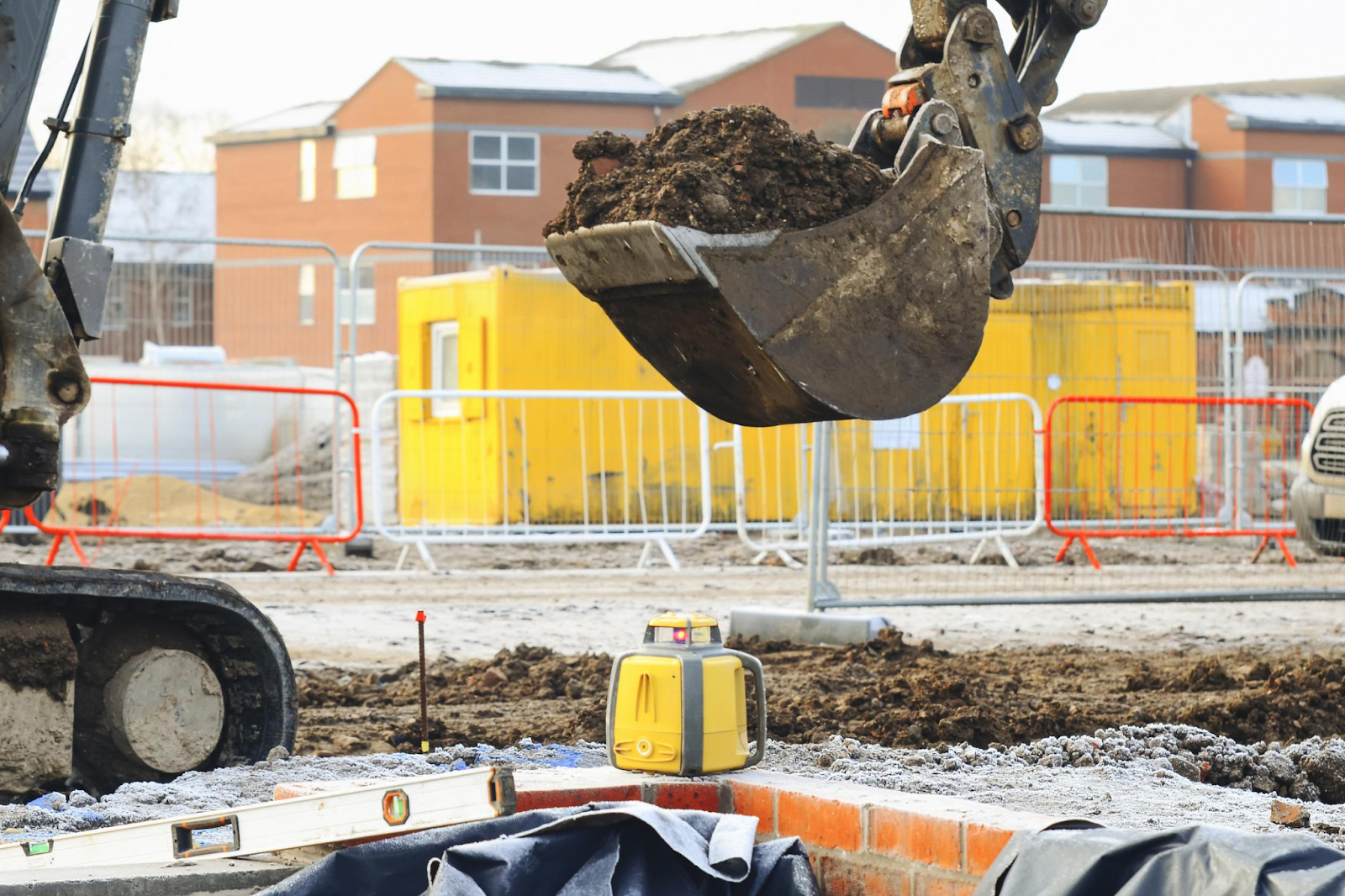
- when developing deep pits;
- on sites with elevation changes.
Wide tracks reduce squat and allow the machine to remain stable under load.
Increased traction and digging force
For heavy construction, traction and digging force are critical. Crawler excavators offer:
- more powerful hydraulic systems;
- reinforced booms and frames;
- high torque;
- the ability to work with larger buckets.
This allows for efficient development of dense soils, working with rocky layers, and performing tasks that are inaccessible to smaller machines.
Compatibility with heavy attachments
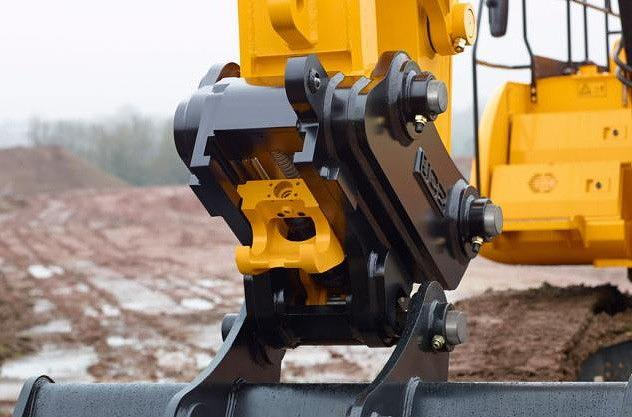
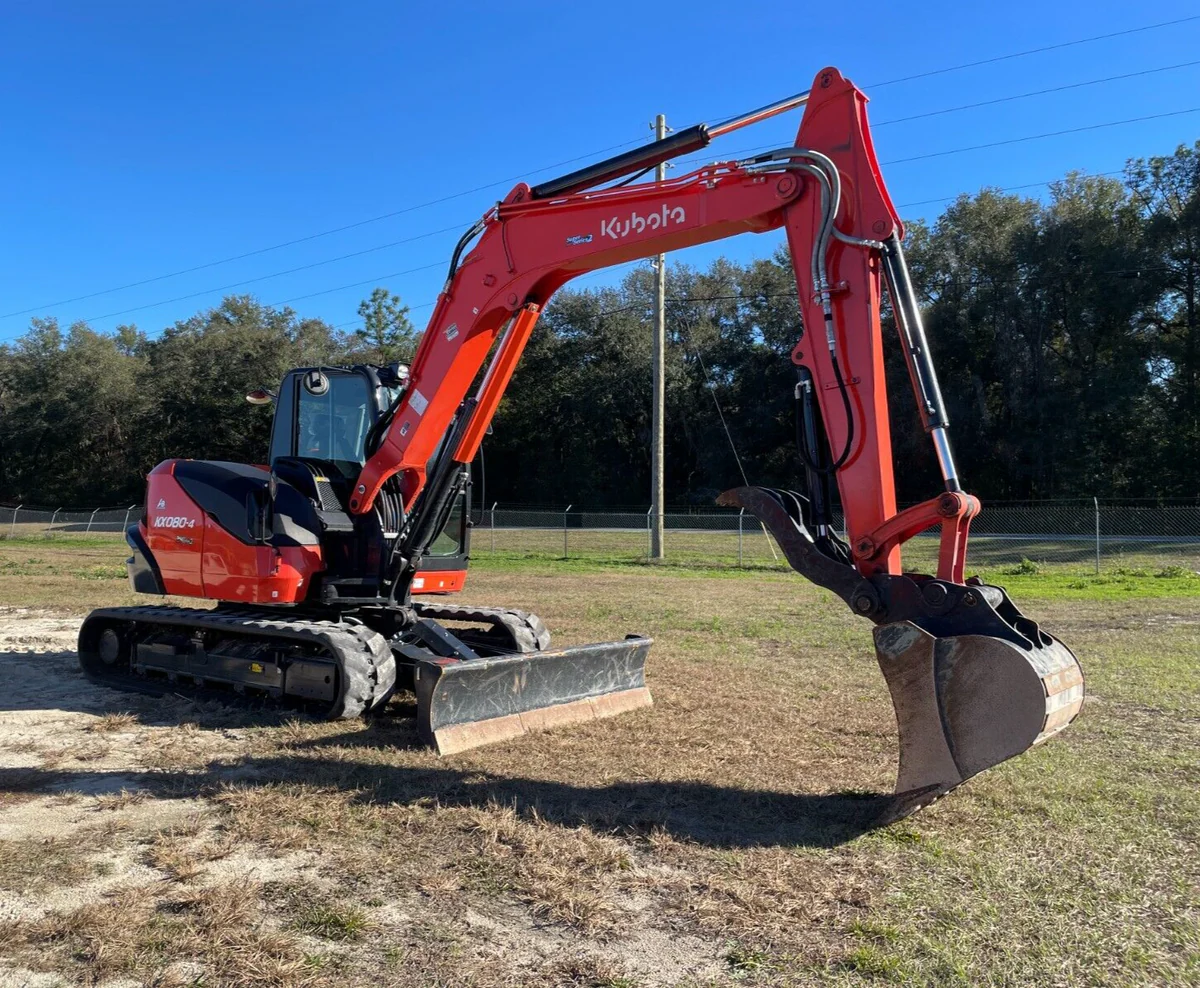
Crawler excavators are a versatile platform for heavy attachments, which is especially important on large-scale projects.
In practice the following are used:
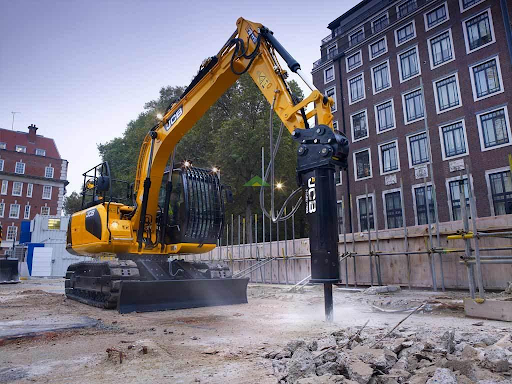
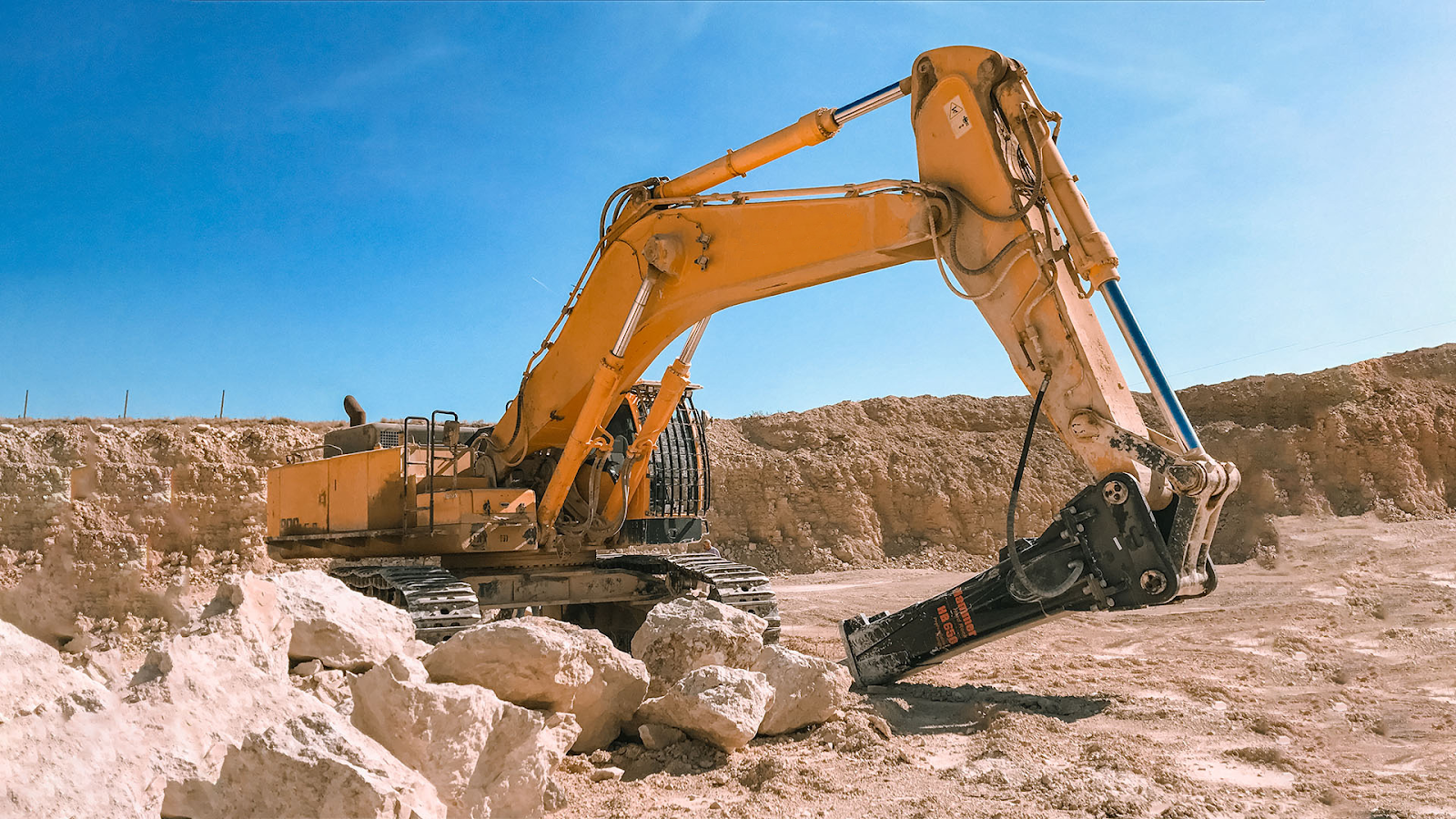
- high power hydraulic hammers;
- concrete crushers and hydraulic shears;
- rippers and cultivators;
- drilling rigs;
- crushing and sorting buckets.
The stability and durability of the design allow working with such equipment without the risk of overloading the base machine.
Reliability over long operating cycles
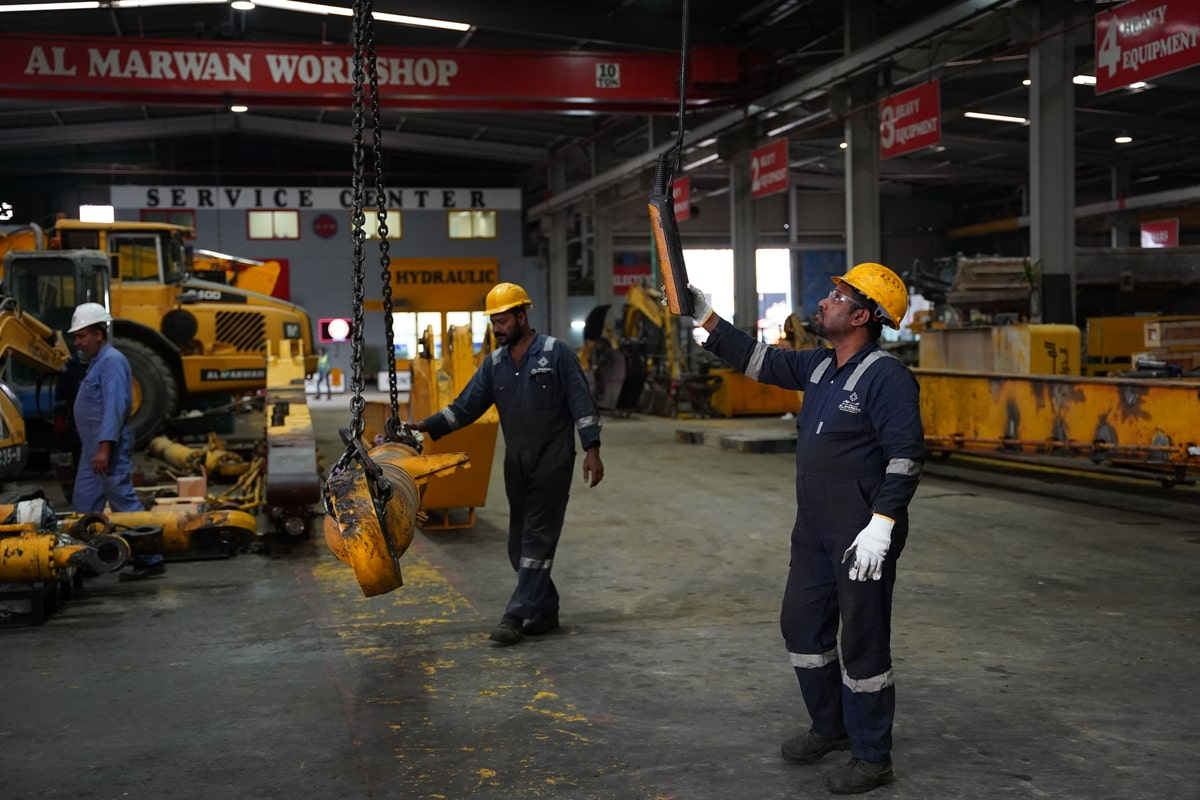
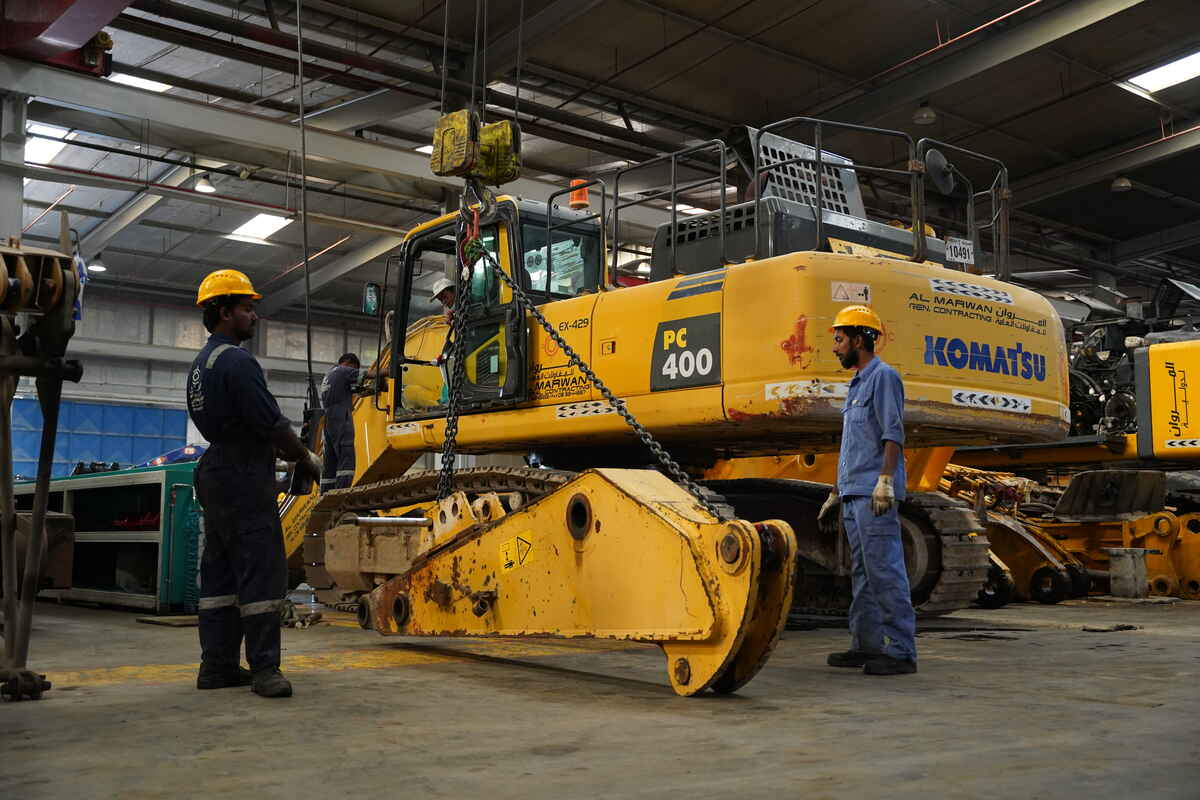
Heavy construction requires excavators to operate for 8-12 hours a day for months at a time. Crawler excavators are designed specifically for this type of operation.
Their advantages:
- reinforced metal structures;
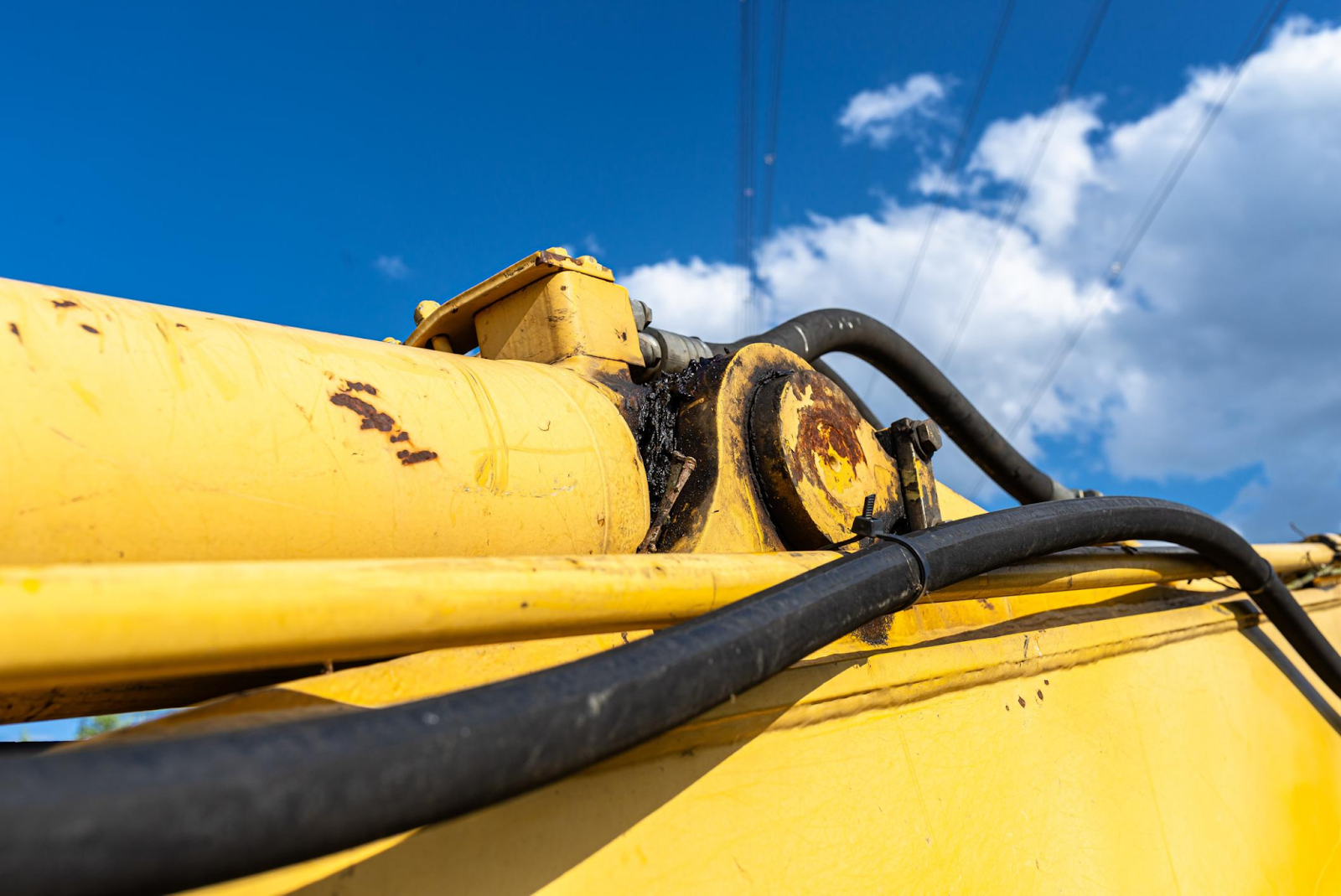
- safety margin of hydraulic components;
- reduced wear of the chassis when working on the ground;
- stable operation under high loads.
This reduces the amount of downtime and emergency repairs, which are especially critical at facilities with tight deadlines.
Cost-effectiveness in large-scale projects
Although crawler excavators require a higher initial investment, they offer better operating economics on heavy-duty projects.
Efficiency factors:
- high productivity per shift;
- less need for assistive technology;
- reduction of site preparation costs;
- lower risk of damage and downtime.
When calculated per cubic meter of work performed, tracked vehicles often prove more cost-effective than alternatives.
Why used equipment is in demand in heavy construction
Crawler excavators remain indispensable equipment for heavy-duty construction projects due to their stability, high traction, compatibility with heavy attachments, and ability to operate in challenging conditions. Their use improves safety, reduces project completion times, and ensures consistent productivity throughout the project. Selecting the right machine model and technical condition is key to success in heavy-duty construction.
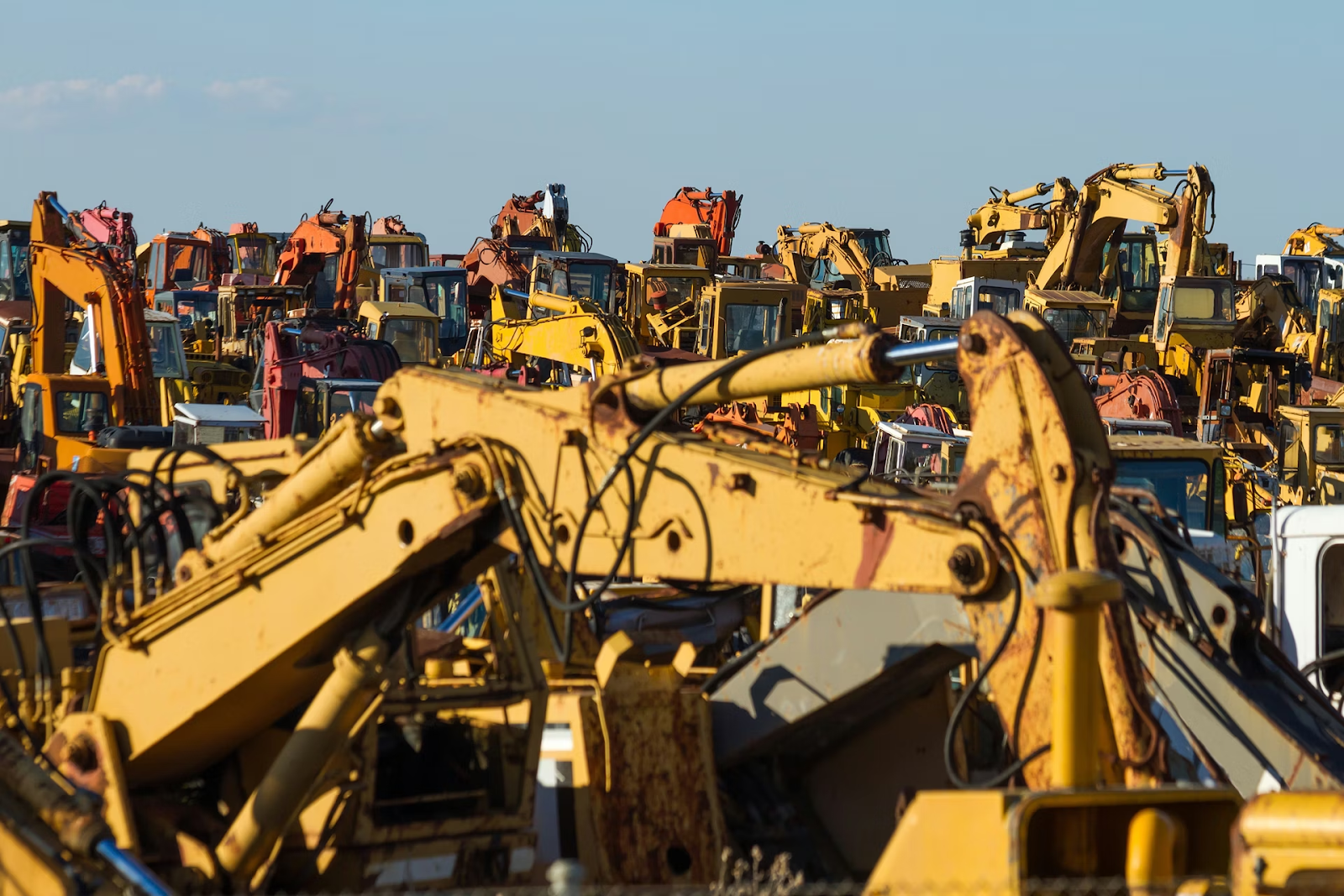
Large projects are increasingly using used equipment that has already proven its reliability in real-world conditions. When properly selected, it can significantly reduce investment costs without sacrificing performance.
Especially in demand used crawler excavators are highly recommended because they offer a high degree of durability and maintain their performance even after extensive use. At TAD Group, these machines are selected based on the type of site, loads, and operating conditions, making them a reliable foundation for heavy-duty construction projects.