Head office: 1Ya, Vyhovskoho st., office 37, Irpin, Ukraine
 Mon-Fri: 08:30-18:30


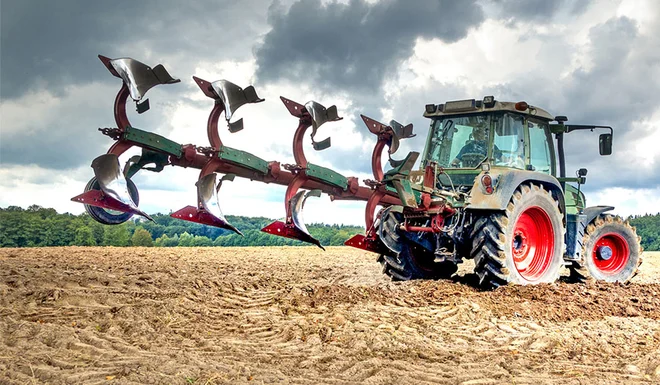
Buying a tractor isn’t simply a matter of choosing a machine based on horsepower. It’s a fundamental investment for a farm, determining the pace of fieldwork, implement loads, fuel consumption, operator comfort, and the overall sustainability of the season. Mistakes here rarely amount to overpaying. More often, they result in downtime, missed deadlines, and reduced yields. That’s why choosing a tractor should be based not on marketing figures, but on the farm’s actual goals.
In practice, many problems start the same way: equipment is purchased at a tight deadline, based solely on price, without considering hydraulics, PTO, heavy soils, transport requirements, and service availability. As a result, the tractor is technically available, but it doesn’t deliver the expected efficiency. To avoid this, it’s important to understand the most common mistakes made when selecting agricultural equipment.
The cost of error: downtime during sowing and crop loss
In the agricultural sector, equipment is valued not only by its purchase price but also by how reliably it performs throughout the season. If a tractor can’t handle an implement, struggles in heavy soil, overheats, can’t lift a hitch, or is idle due to a lack of service, the farm loses more than just money on repairs. It also loses time during the most critical periods.
During sowing, tillage, or harvesting, even a few days of downtime can cost more than the entire difference between a “suitable” model and a “wrong” one. Therefore, choosing the right tractor is primarily about protecting against missed agricultural deadlines, and only then does brand and price come into play.

Error 1. Incorrect calculation of traction class and power
One of the most common problems is relying solely on rated power and buying a tractor without any reserve. On paper, the machine appears to be suitable for the required implement, but in the field, the actual load is higher: heavy soils, wet seasons, slopes, deep work, hitch resistance, and transport tasks quickly eat into this calculated minimum.
Buying equipment “on the spur of the moment” without reserve for heavy soils
A tractor chosen without a reserve often only performs well in ideal conditions. But farming rarely offers ideal conditions throughout the entire season. If the soil is heavy, the terrain is uneven, the implement is loaded to its maximum capacity, or you have to work under tight deadlines, a lack of power becomes immediately apparent:
- the working speed drops;
- fuel consumption increases;
- the equipment is operating under increased load;
- actual productivity decreases;
- Machine and operator fatigue sets in faster.
That’s why tractor power must be calculated with a reserve, not just for the “average” load. It’s better to have a reasonable reserve than to operate at the limit every season.
Mistake 2: Ignoring hydraulic and PTO performance
Many farms choose a tractor based on traction, but underestimate the hydraulics and power take-off capabilities. In practice, however, this is often where limitations arise that cannot be compensated for by horsepower alone.
If a tractor is working with seeders, sprayers, cultivators, front-mounted attachments, loading systems, or complex modern equipment, the hydraulic system’s performance becomes critical. The same applies to the PTO if the machine is to operate active equipment.
Why does the tractor pull the seeder but can’t lift it hydraulically?
This is a typical situation: the tractor has adequate traction, but the hydraulic system doesn’t provide the necessary speed or power to lift, fold, and control the unit. As a result, the machine appears to be suitable, but in reality, it operates with limitations, loses momentum, and creates inconvenience in the field.
When choosing, it is important to look not only at the tractor’s power, but also at:
- hydraulic pump performance;
- hydraulic system type;
- number and capabilities of hydraulic outlets;
- lifting capacity of the hitch;
- PTO characteristics for a specific implement.
It is these parameters that often determine how compatible a tractor will be with modern agricultural machinery.
Mistake 3. Skimping on operator comfort
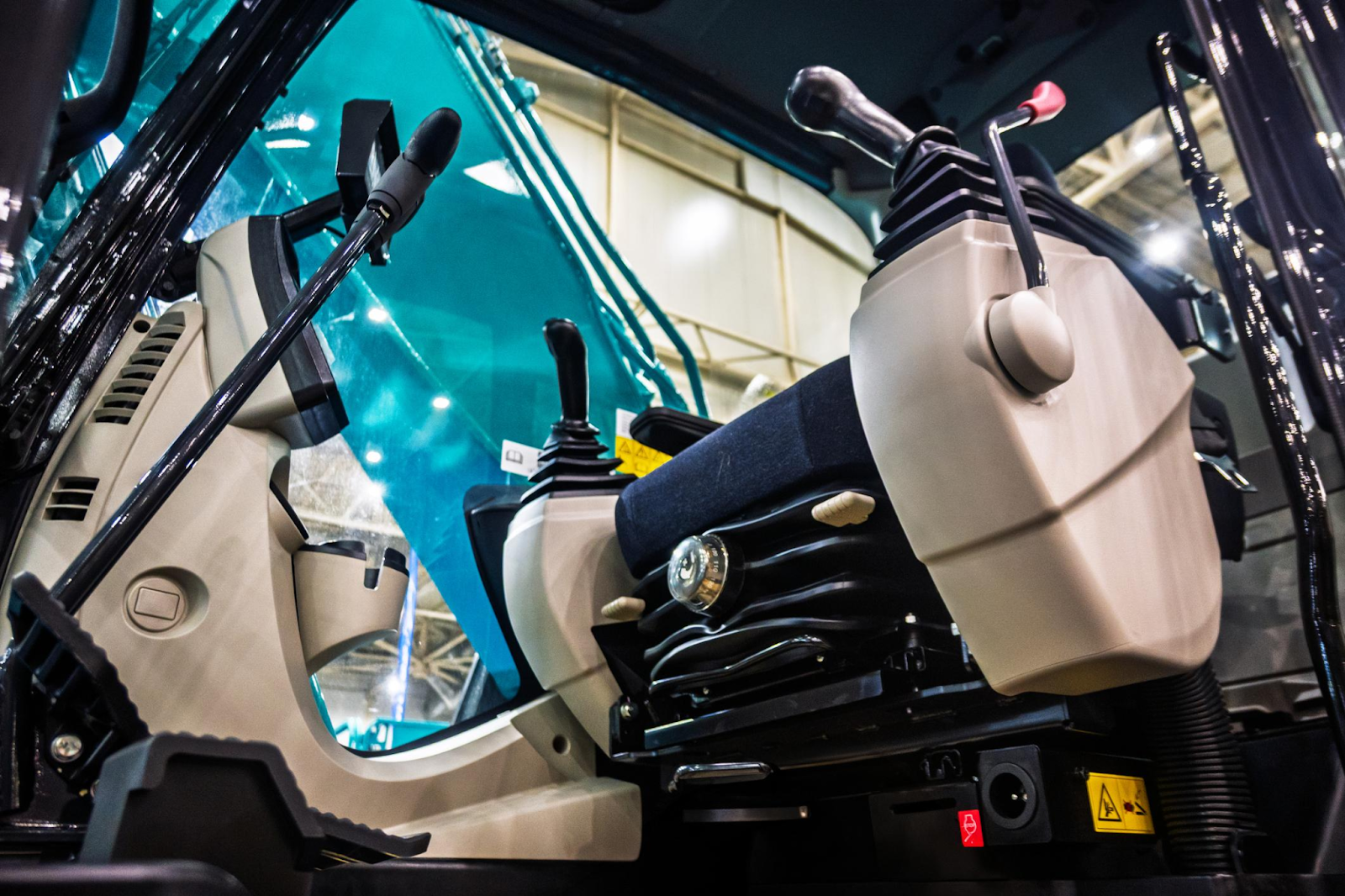
Cabin comfort is still considered a secondary consideration by many. But in real-world work, it directly impacts productivity. If a tractor operator spends 10–14 hours a day, noise, heat, poor visibility, a hard seat, and awkward controls quickly translate into fatigue, errors, and a decline in work quality.
Air conditioning, air seats, and sound insulation as an investment in productivity
A good cabin isn’t a luxury, it’s a valuable asset. Air conditioning helps maintain concentration in the heat, an air-powered seat reduces fatigue during long shifts, and sound insulation reduces operator strain and helps maintain precision.
What does a comfortable cabin offer:
- higher concentration during the shift;
- fewer errors and omissions;
- better quality of work on long passes;
- less fatigue at the end of the day;
- higher real output from the tractor.
Saving on these items often seems reasonable only at the time of purchase. In use, it almost always results in a loss of efficiency.
Mistake 4: Buying a brand without a dealership within 100 km
Even a good tractor is worthless if it’s difficult to maintain. A strong brand name alone won’t solve the problem if the nearest service center is far away, parts take a long time to arrive, and mechanics aren’t familiar with the specific model. This is especially dangerous for a farm during peak season, when every stop is critical.
Therefore, when choosing, it is important to evaluate not only the machine itself, but also the infrastructure around it:
- Is there a dealer service center nearby?
- How quickly are consumables and spare parts delivered;
- How accessible is technical support;
- Are there any specialists for this model in your region?
Sometimes a less “loud” brand with good local support turns out to be more practical than a well-known brand without proper support.
Assistance in equipping the farm with reliable agricultural machinery
the right tractor starts not with a catalog, but with your farm’s needs. It’s important to understand what implements the machine will be working with, the soil conditions in the region, the availability of haul roads, the intensity of the operation, and the requirements for hydraulics, PTO, and comfort.
Only then can you select a model based on a combination of parameters: tractor power , traction reserve, hydraulic system capabilities, attachment compatibility, cabin comfort, and service availability. This approach helps you choose agricultural machinery that’s not jut “priced right” but truly delivers results.
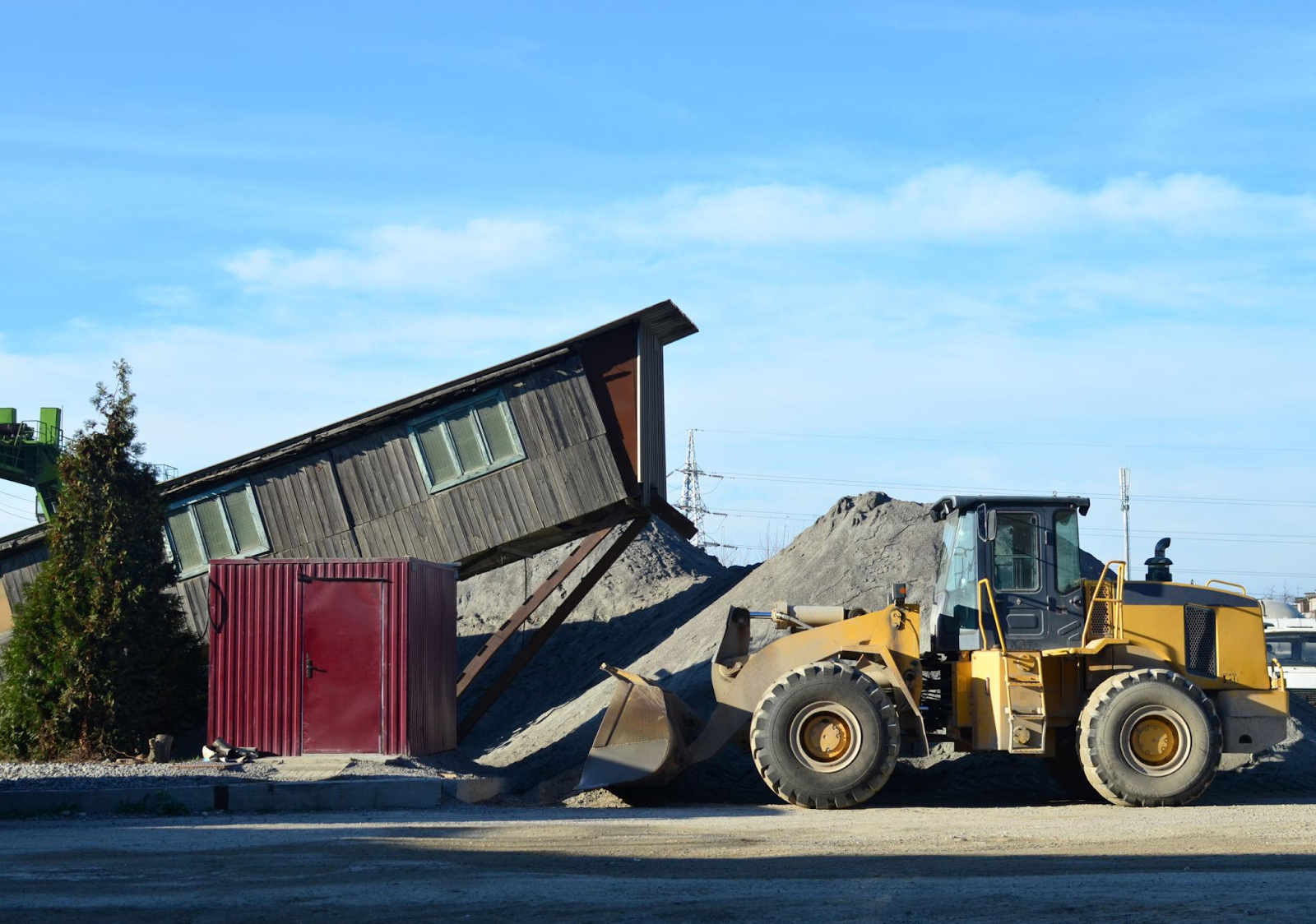
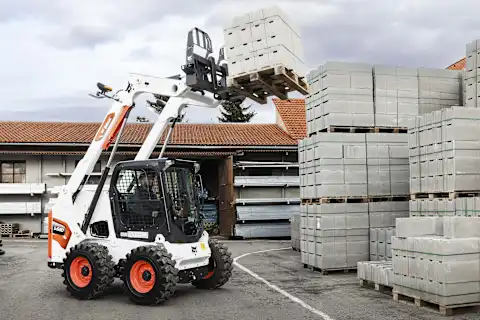
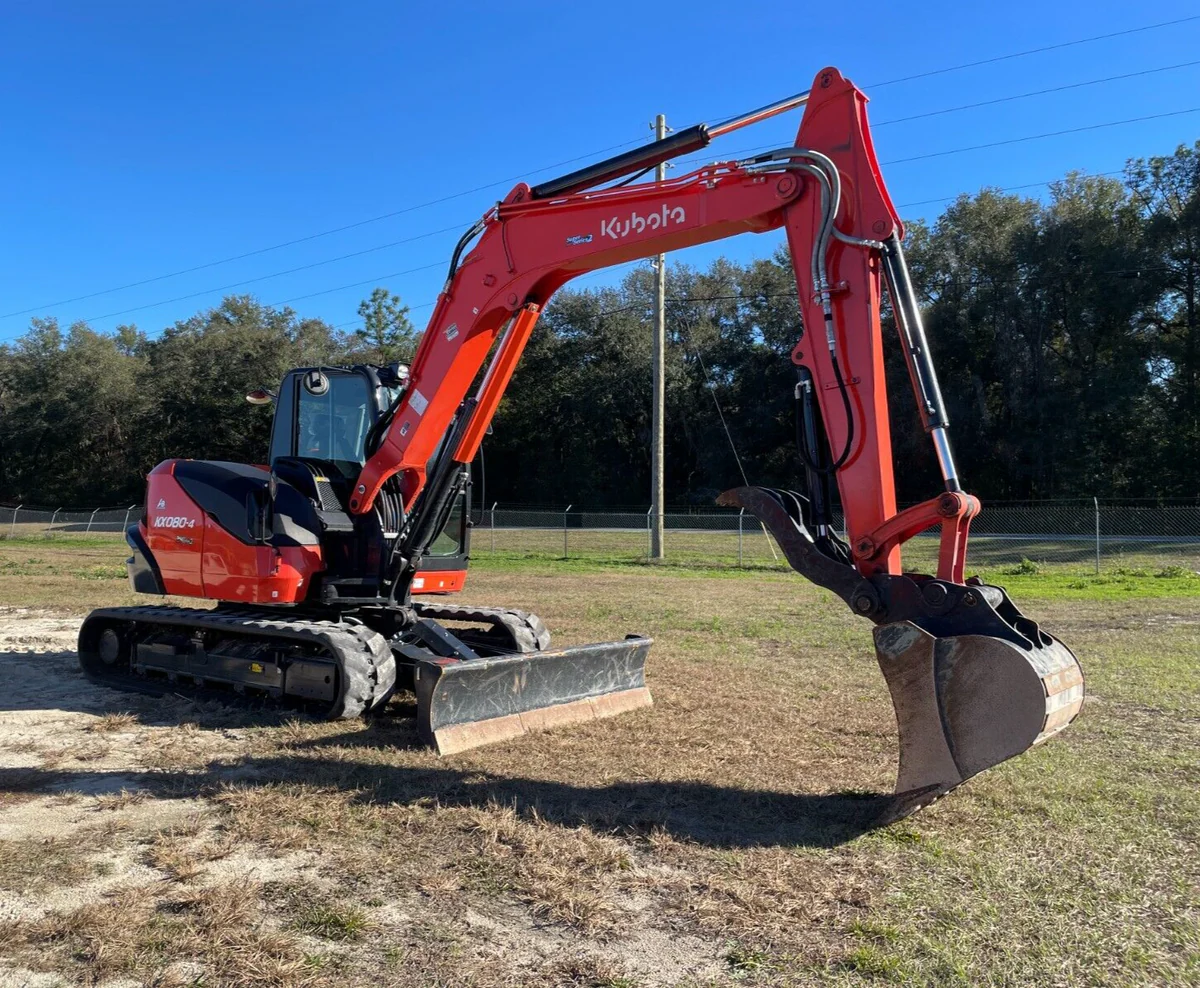
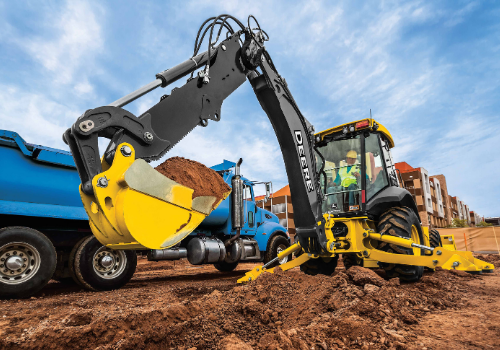
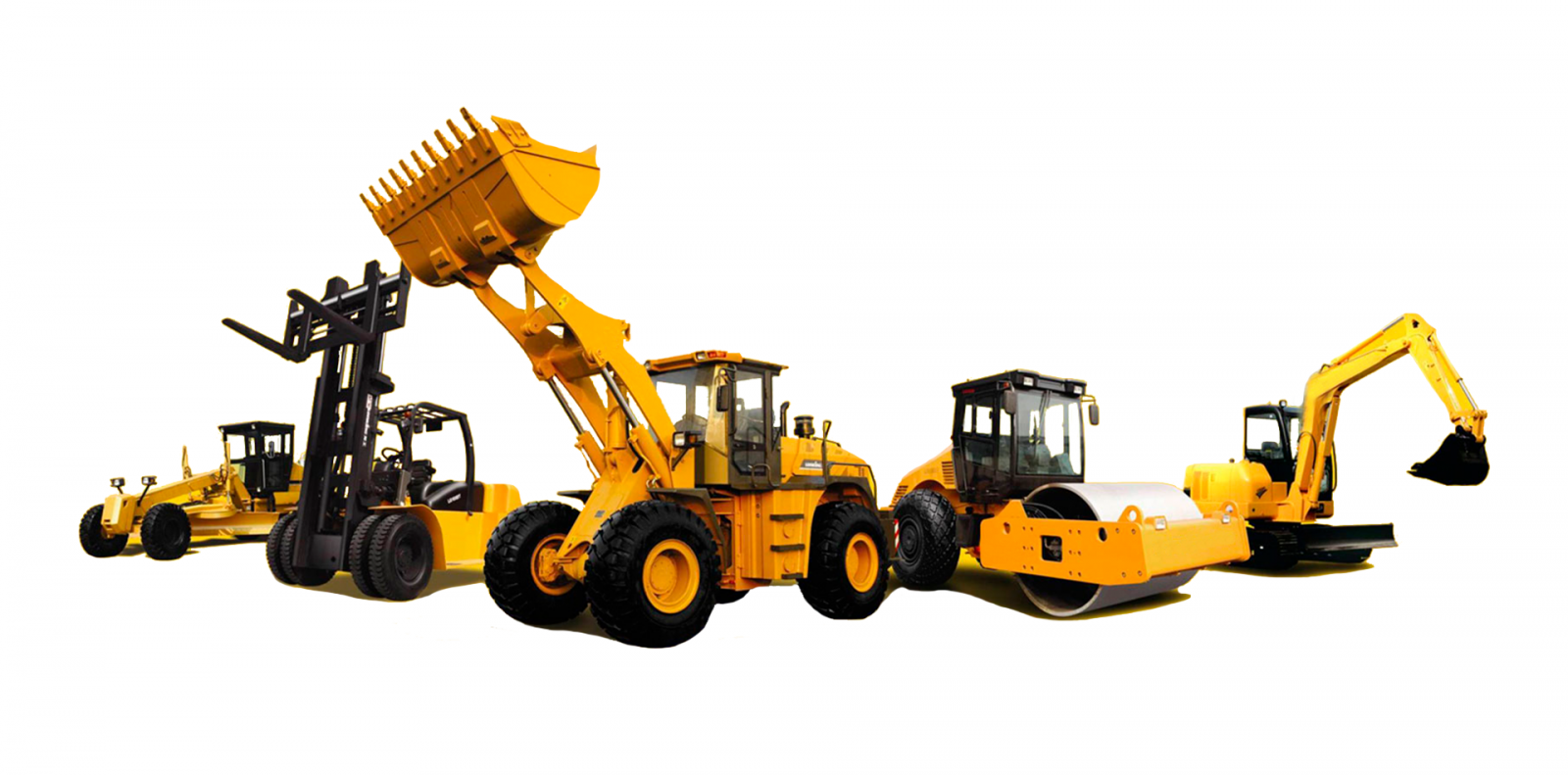
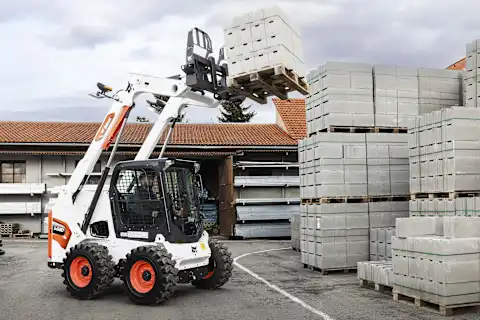
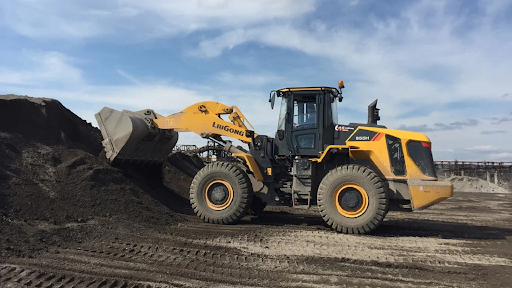
For a farm, it’s not just the right towing equipment that’s important, but also the ability to quickly complete tasks like loading, moving materials, and maintaining the grounds. TAD Group offers the right equipment. Used front-end loaders are a practical addition to your agricultural fleet, increasing the versatility of your equipment and more efficiently distributing the load throughout the season.
FAQ
1. What power reserve should a tractor have to work with a plow?
There’s no universal figure for all cases, as everything depends on the plow type, tillage depth, soil, and terrain. But buying a tractor without any reserve is not recommended: harsh conditions will quickly reveal the weakness of such a calculation.
2. What is an “open” and “closed” tractor hydraulic system?
An open system is typically simpler in design and is more common in more basic solutions. A closed system, including an LS system, better adapts to flow and pressure requirements, which is especially useful for modern units with high hydraulic demands.
3. Is it profitable to buy dual wheels straight from the factory?
On many farms, yes, if the equipment regularly works on heavy soils, with powerful implements, or where it’s important to reduce ground pressure. But the benefit depends on the specific tasks, not on the mere presence of pairs.
4. What is most important when choosing a tractor: brand or specifications?
Specifications and compatibility with your farm’s needs always come first. Brand matters, but only when coupled with service, spare parts availability, and the machine’s actual suitability for your operating conditions.