Head office: 1Ya, Vyhovskoho st., office 37, Irpin, Ukraine
 Mon-Fri: 08:30-18:30


The construction timeframes for infrastructure projects—roads, bridges, utility networks, interchanges, and industrial sites—directly depend not only on design and financing but also on the proper selection of equipment. Experience shows that even with a well-organized workflow, the wrong choice of equipment can add months to the project. Below, we’ll examine how equipment impacts construction speeds and which factors become critical when working on infrastructure projects.
Why technology is becoming a key factor in deadlines
Infrastructure projects differ:
- large volume of excavation work;
- strict calendar schedules;
- parallel work of several contractors;
- dependence of stages on each other.
Under such conditions, any delay in one piece of equipment automatically slows down the entire process. An excavator that can’t handle the workload or is idle due to a malfunction impacts not only its own section but also adjacent operations.
Productivity as the basis for maintaining schedule compliance
The primary impact of equipment on delivery times is related to its actual performance. What’s important here is not the specifications listed, but the machine’s actual ability to perform tasks under specific conditions.
The timing is directly affected by:
- bucket capacity and working cycle speed;
- stability of hydraulic operation;
- ability to work without overheating during long shifts;
- compliance of power with soil type.
Insufficiently powerful equipment slows down the pace, while excessively heavy equipment creates logistical difficulties and remains idle without being fully loaded.

Reliability and downtime as the main risk of delays
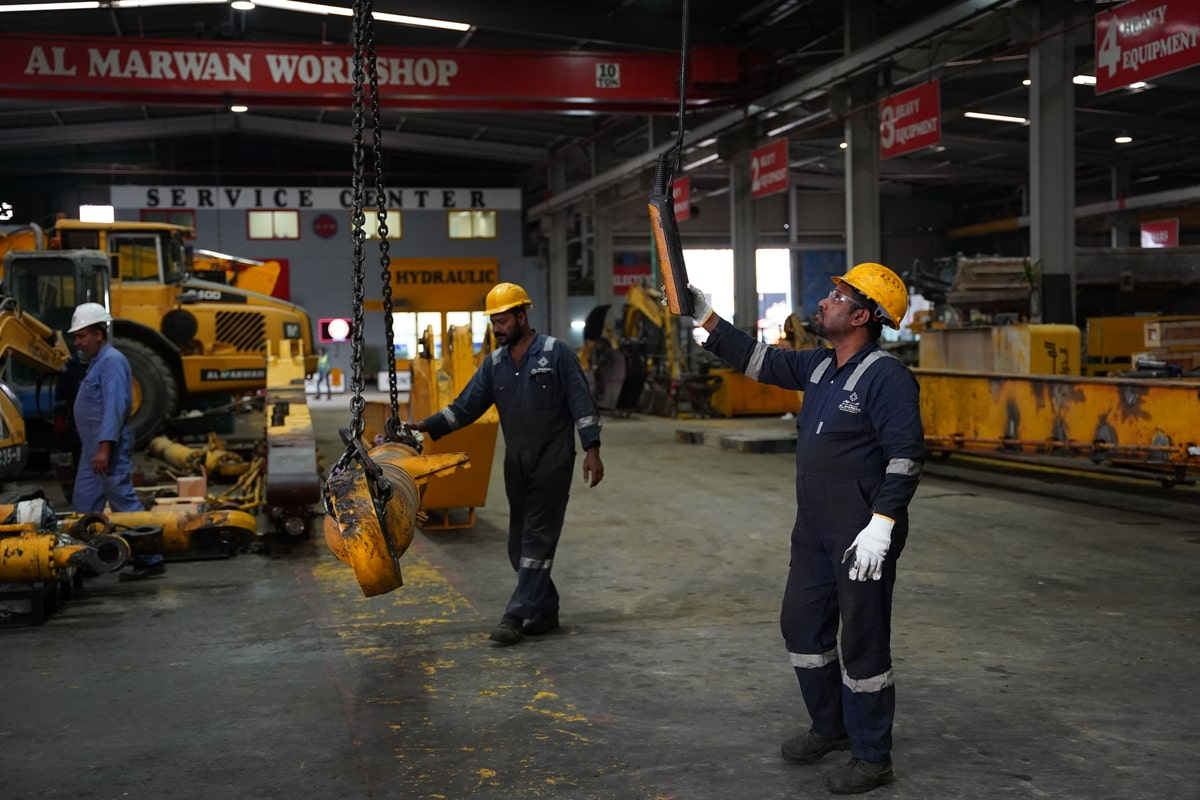
One of the most underestimated factors is equipment reliability. At infrastructure sites, even a few hours of excavator downtime leads to disruption of workflow.
Typical reasons for downtime:
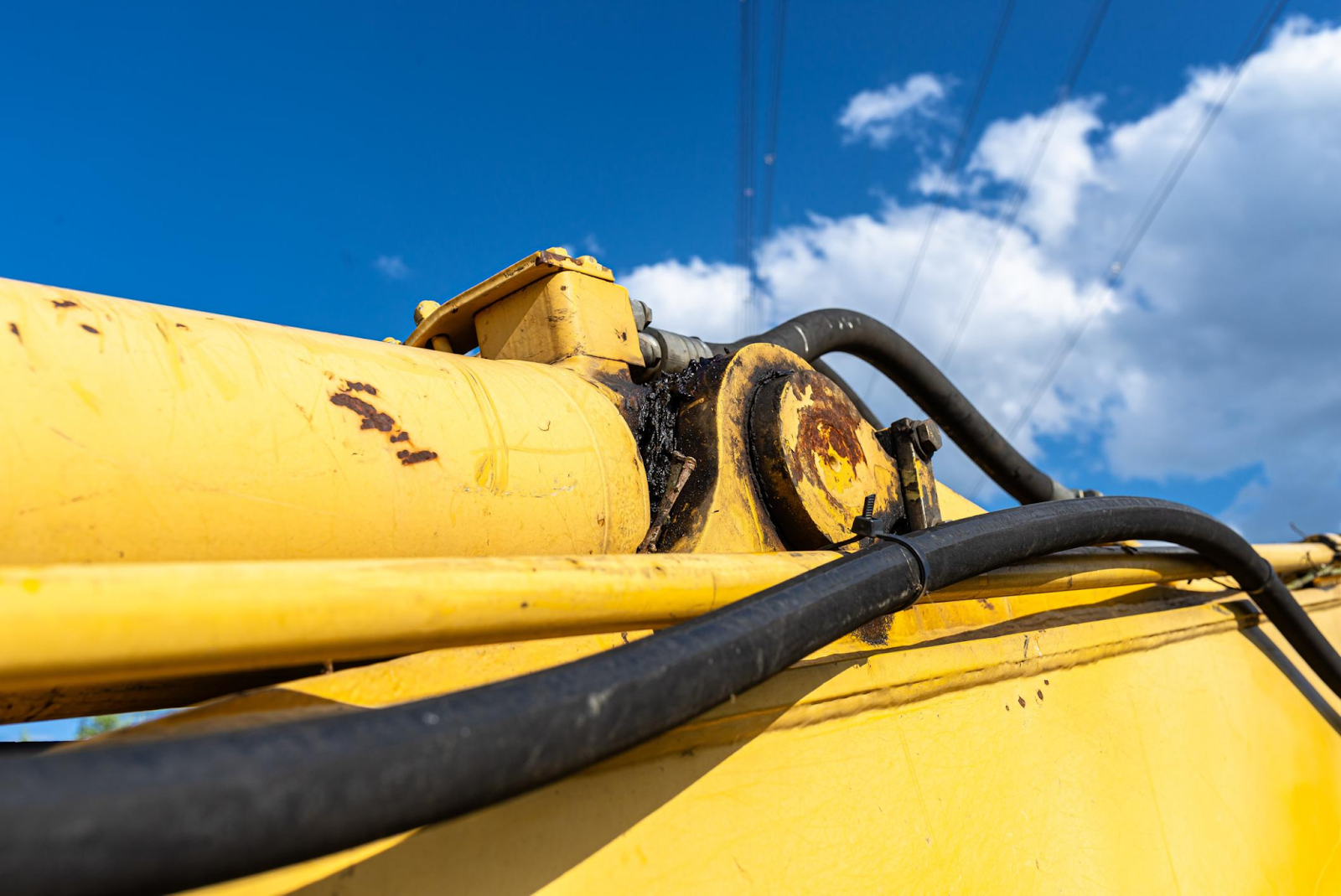
- engine overheating under continuous load;
- leaks and pressure drops in hydraulics;
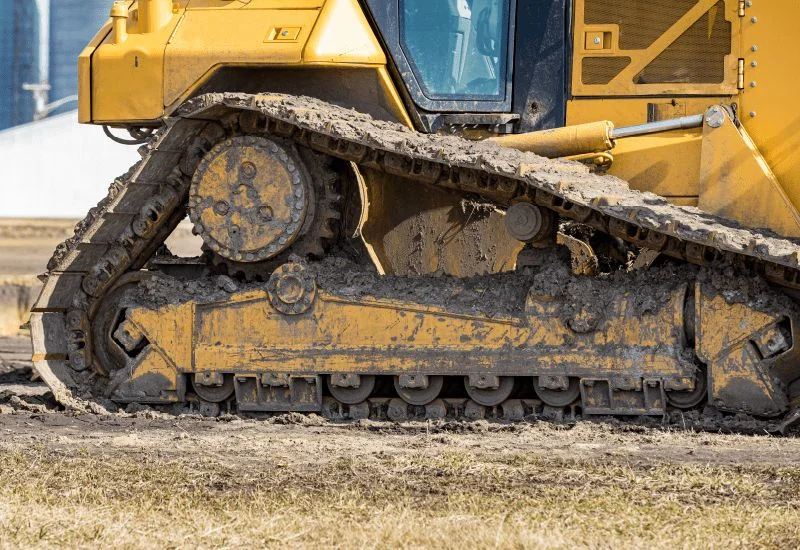
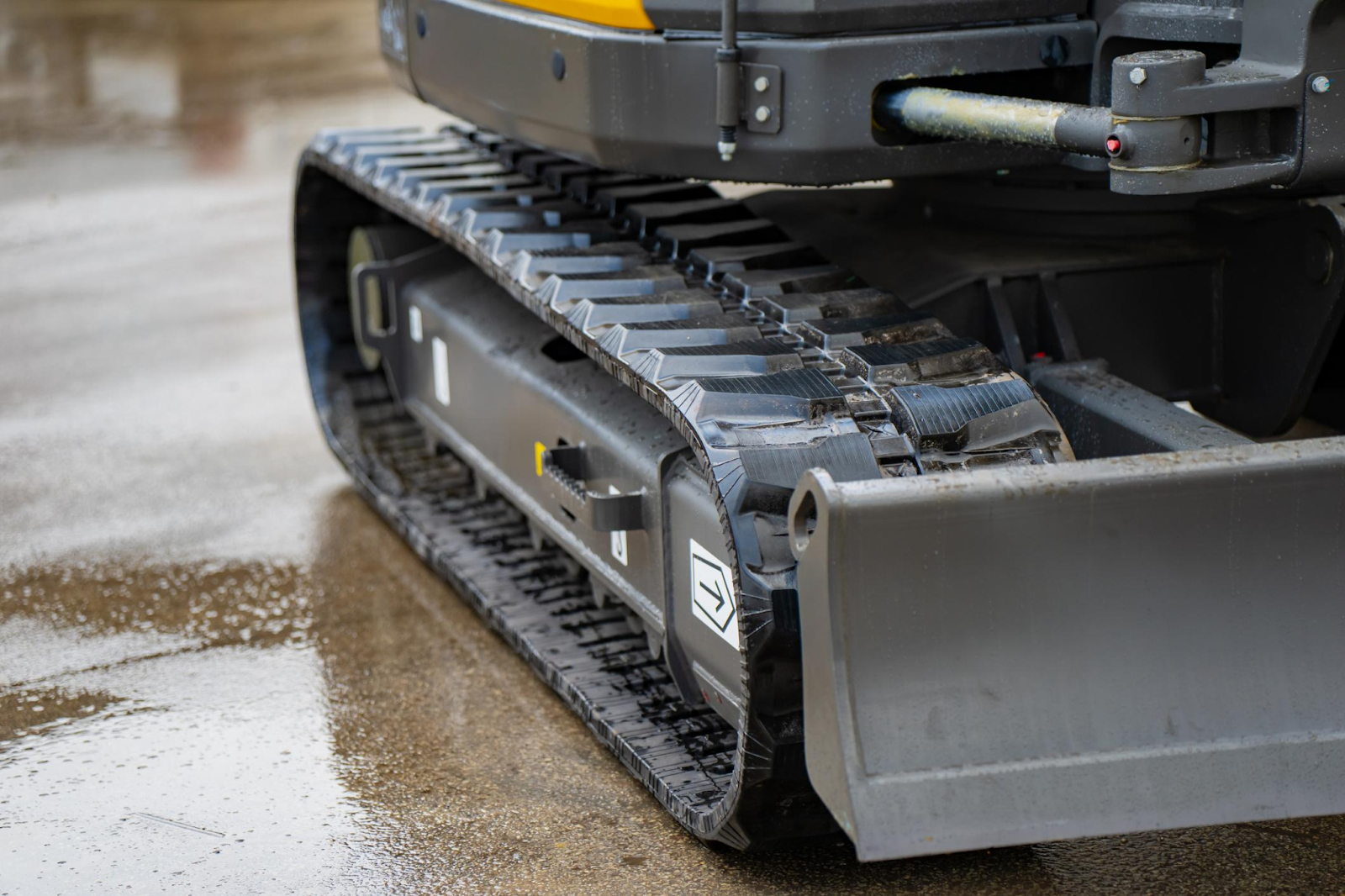
- wear of the chassis;
- electronic failures.
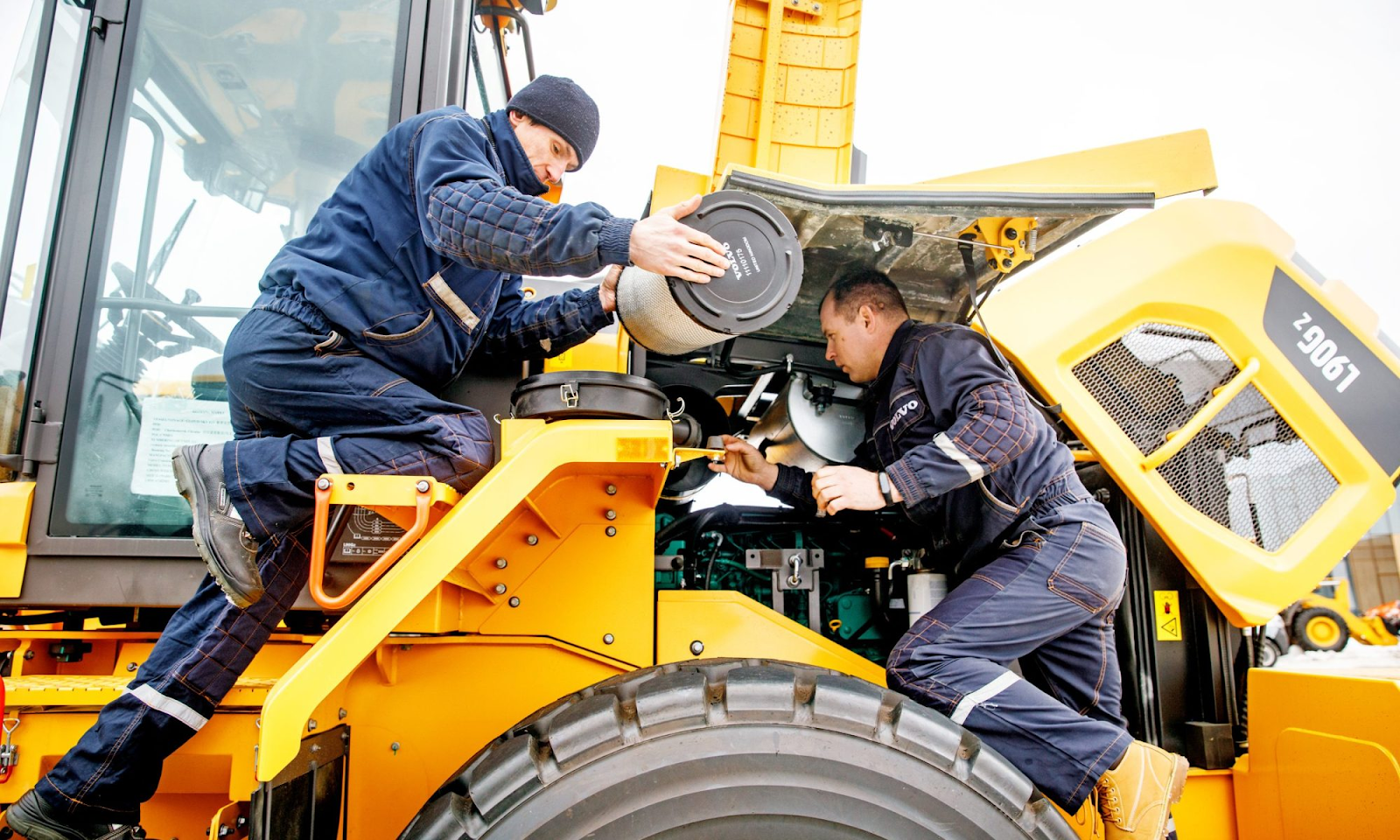
The higher the technical readiness of the machine and the easier its maintenance, the more reliably the project deadlines are met.
The Impact of Mobility on Construction Rates
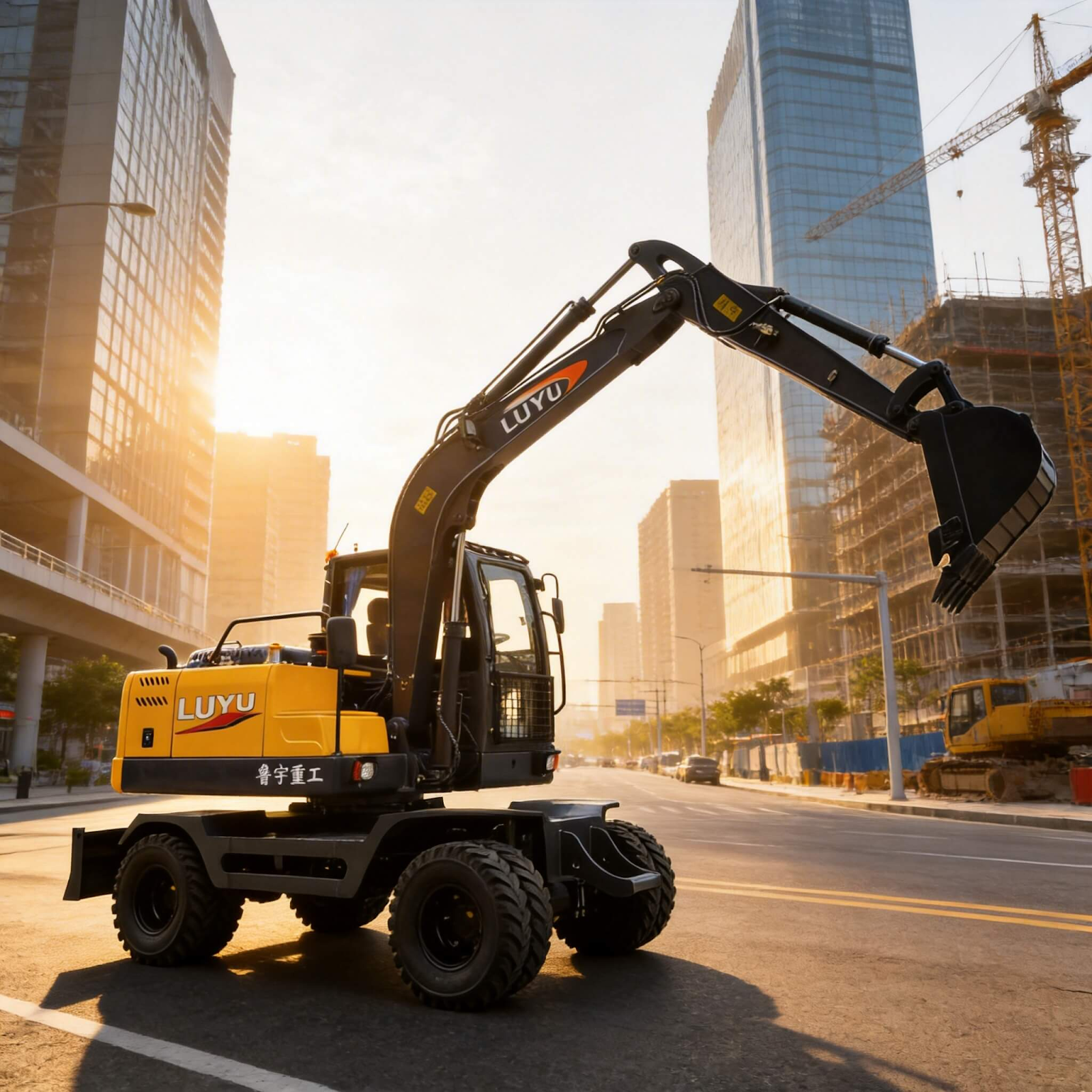
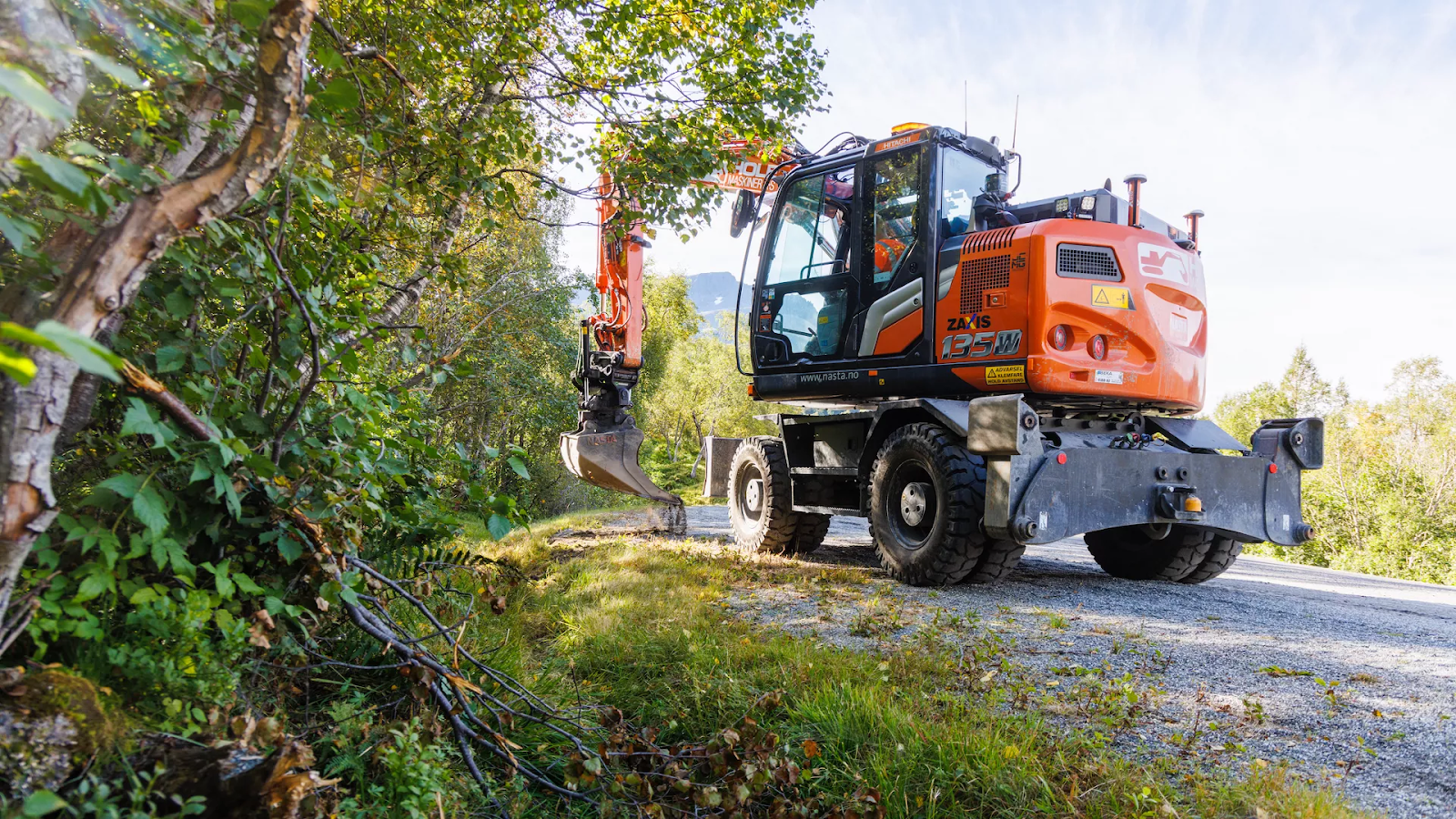
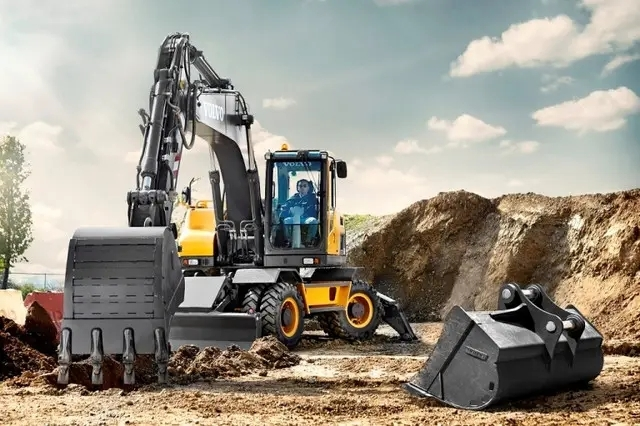
On linear projects—roads, networks, pipelines—not only power but also equipment mobility is important. The ability to quickly move between sites without additional logistics reduces downtime and speeds up the completion of stages.
Wheeled vehicles are particularly effective:
- in an urban environment;
- with frequent changes of work zones;
- on hard-surfaced facilities;
- during parallel work in different areas.
Mobility allows you to flexibly respond to schedule changes without stopping the project.
Synchronization of equipment in the technological chain
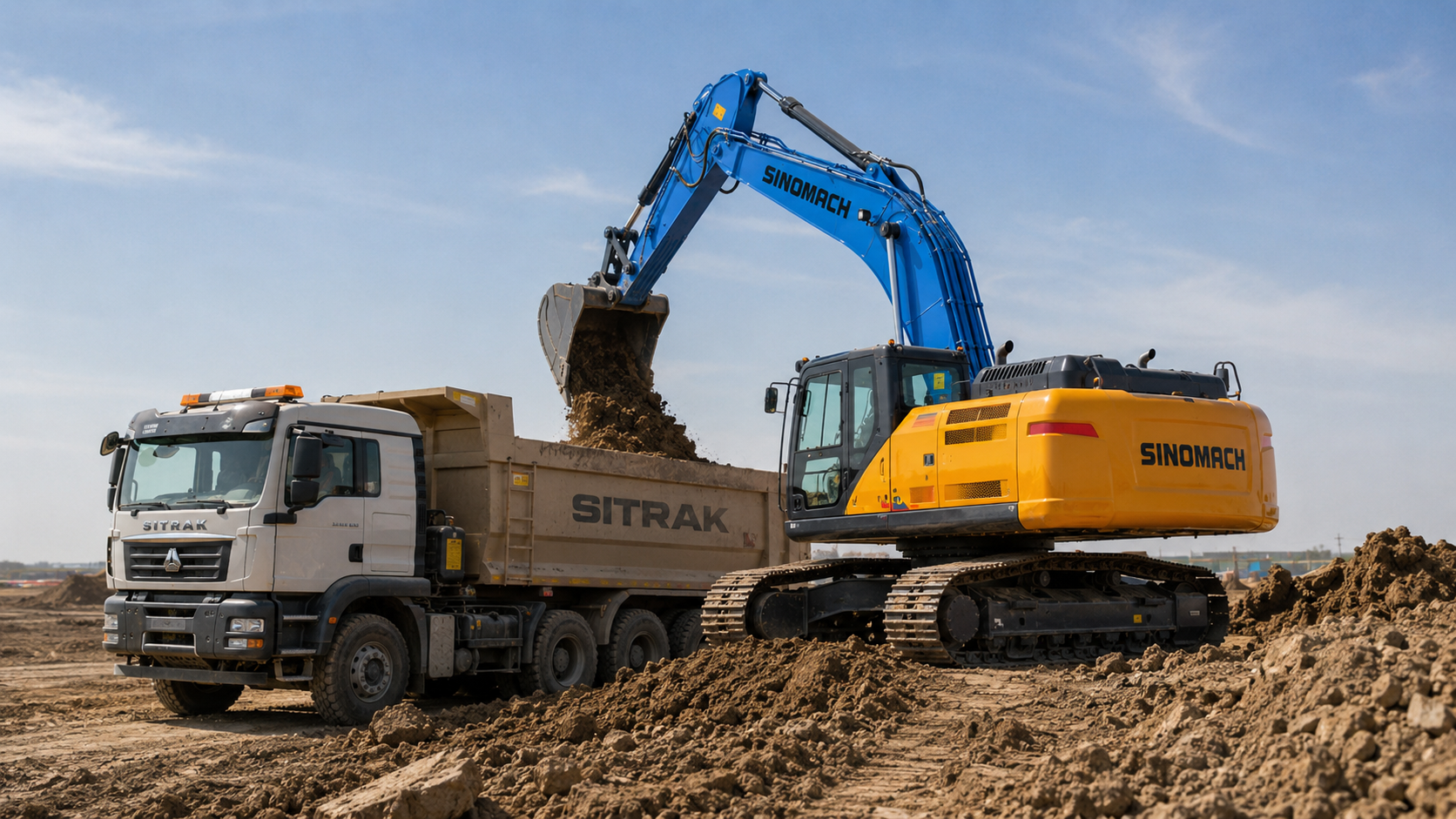
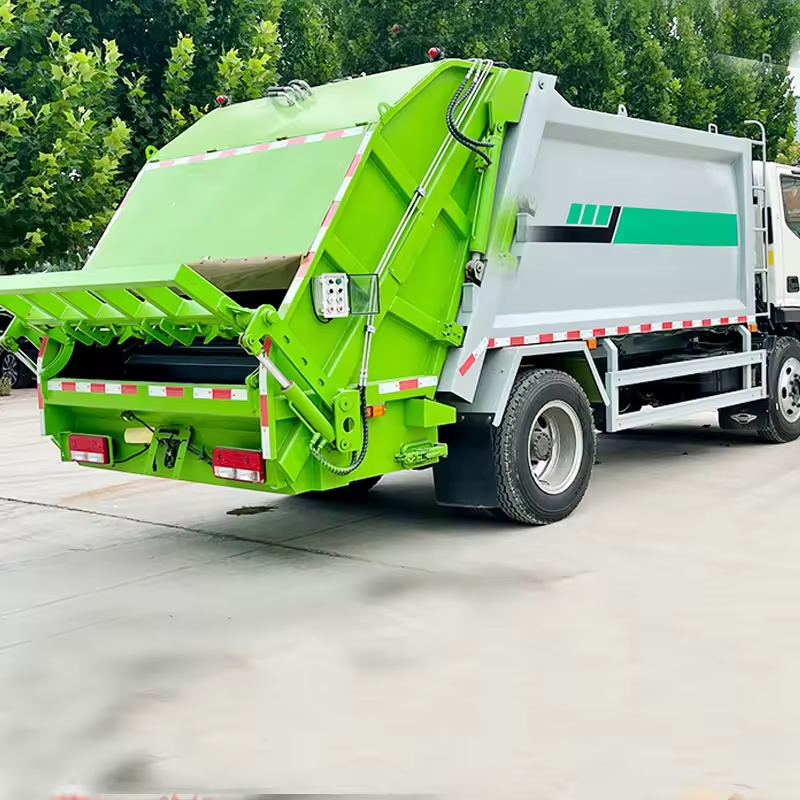
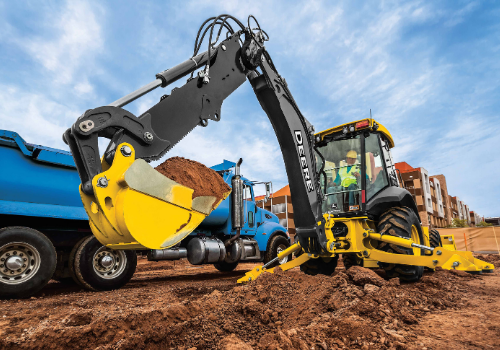
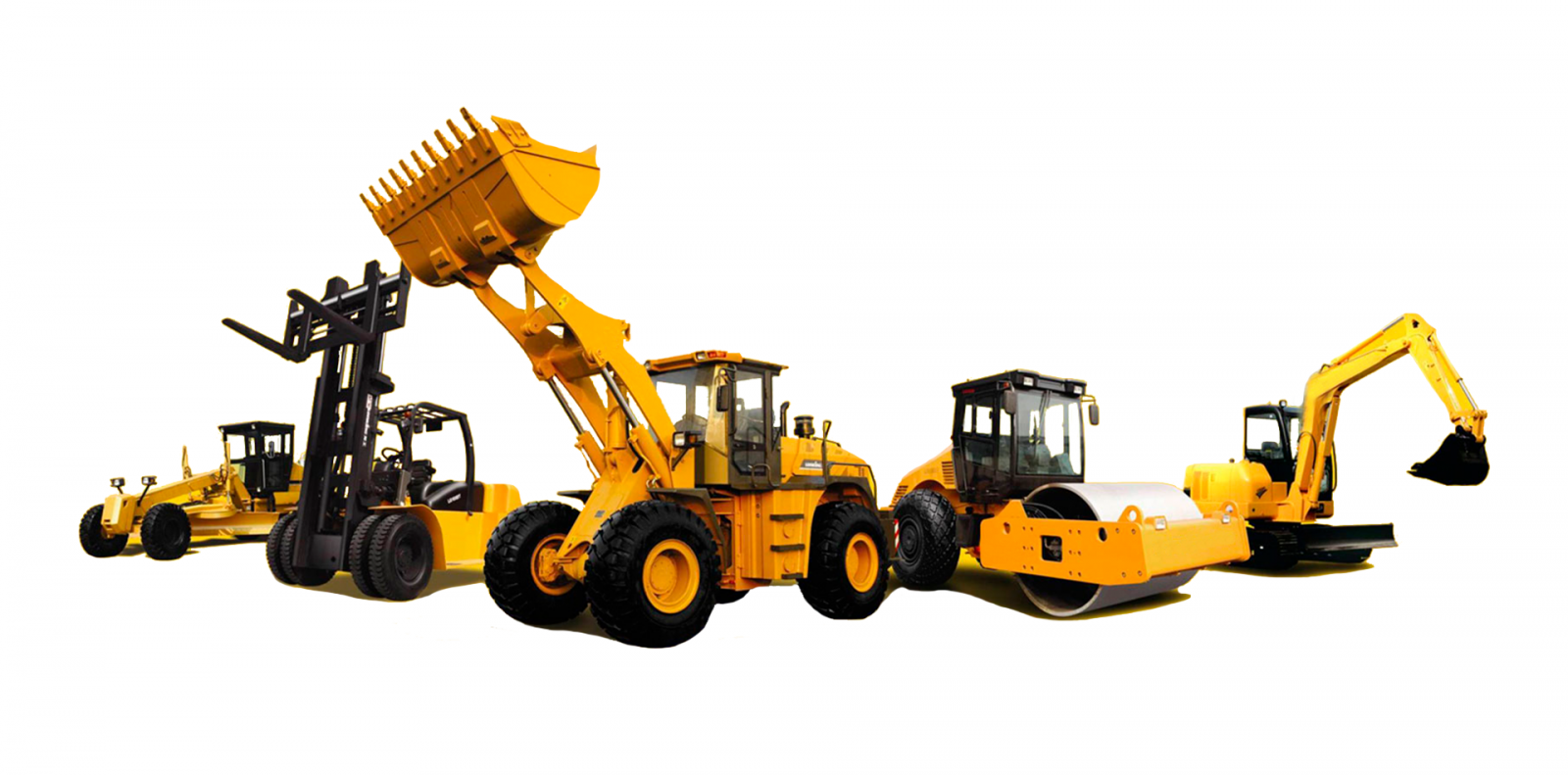
Construction deadlines depend not on a single machine, but on the entire equipment network on site. An excavator must work in sync with dump trucks, rollers, loaders, and drilling rigs.
Imbalance leads to:
- waiting for transport to remove the soil;
- downtime due to unprepared work front;
- inefficient use of shift time.
Properly selected equipment allows you to build a continuous work cycle without delays.
The role of the operator and adaptation of equipment to site conditions
Even a technically sound machine can slow down a project if not operated properly. Operator qualifications and the equipment’s adaptation to real-world conditions directly impact project progress.
Critical:
- choose operating modes correctly;
- avoid overloading and abrupt maneuvers;
- take into account the condition of the soil and weather conditions;
- Conduct regular monitoring of the condition of the units.
This type of operation reduces the risk of emergency stops and prolongs the stable operation of the machine throughout the entire project.
Used equipment and its impact on project timelines
Infrastructure construction deadlines are determined not only by design documentation but also by the actual capabilities of equipment on site. Performance, reliability, mobility, and proper integration of equipment into the workflow directly determine the pace of work.
The right choice of equipment not only speeds up construction but also reduces the risk of schedule delays, which in today’s environment is becoming a significant competitive advantage for contractors.
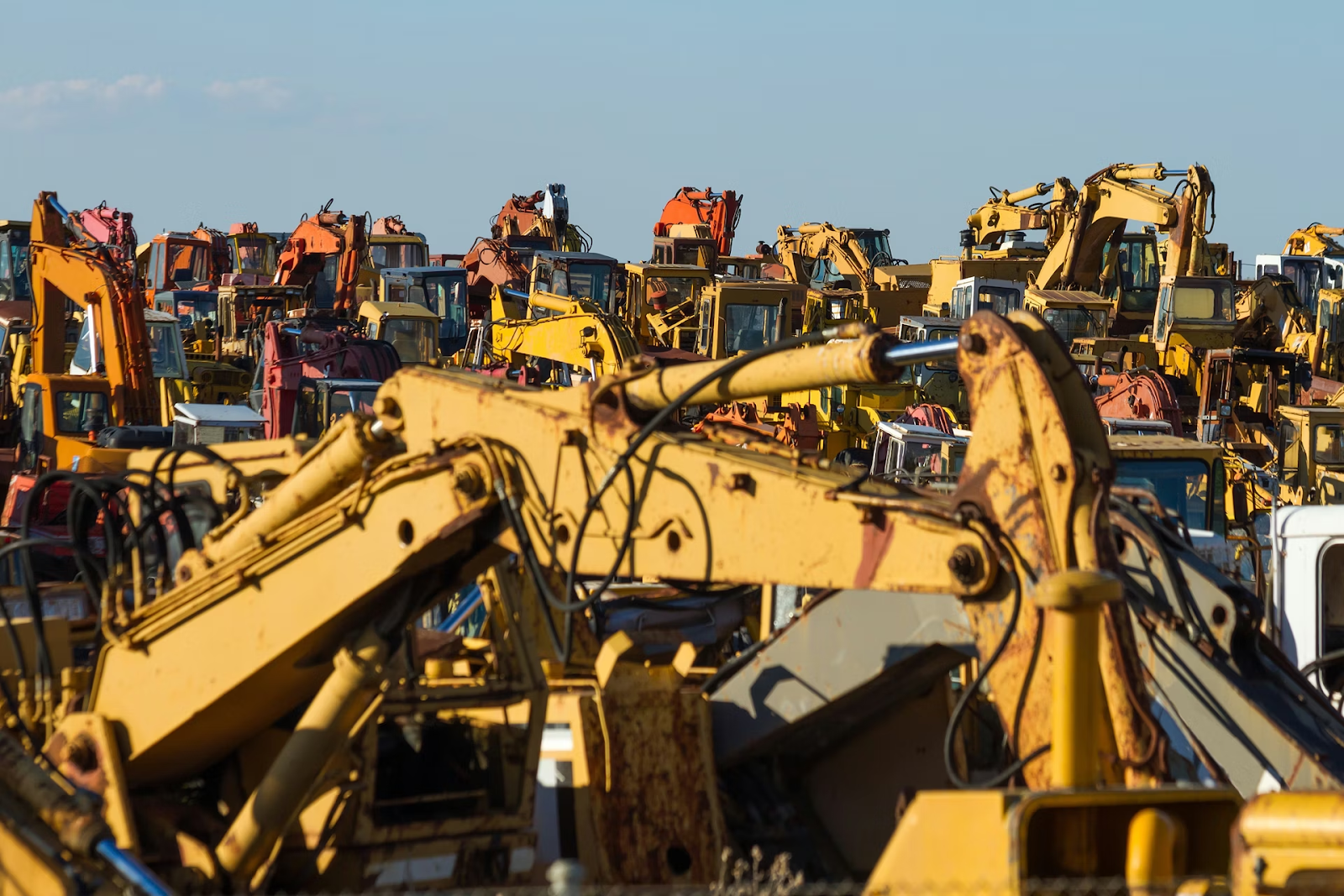
With limited budgets, infrastructure contractors are increasingly turning to used equipment. When properly selected, used equipment allows for faster project launches without waiting for new equipment or lengthy logistics chains.
The key to efficiency is the technical readiness of the machine and its suitability for the specific tasks of the facility. Inappropriate or inadequately prepared equipment, on the other hand, becomes a source of downtime and additional costs.
Ready-made solutions to meet construction deadlines
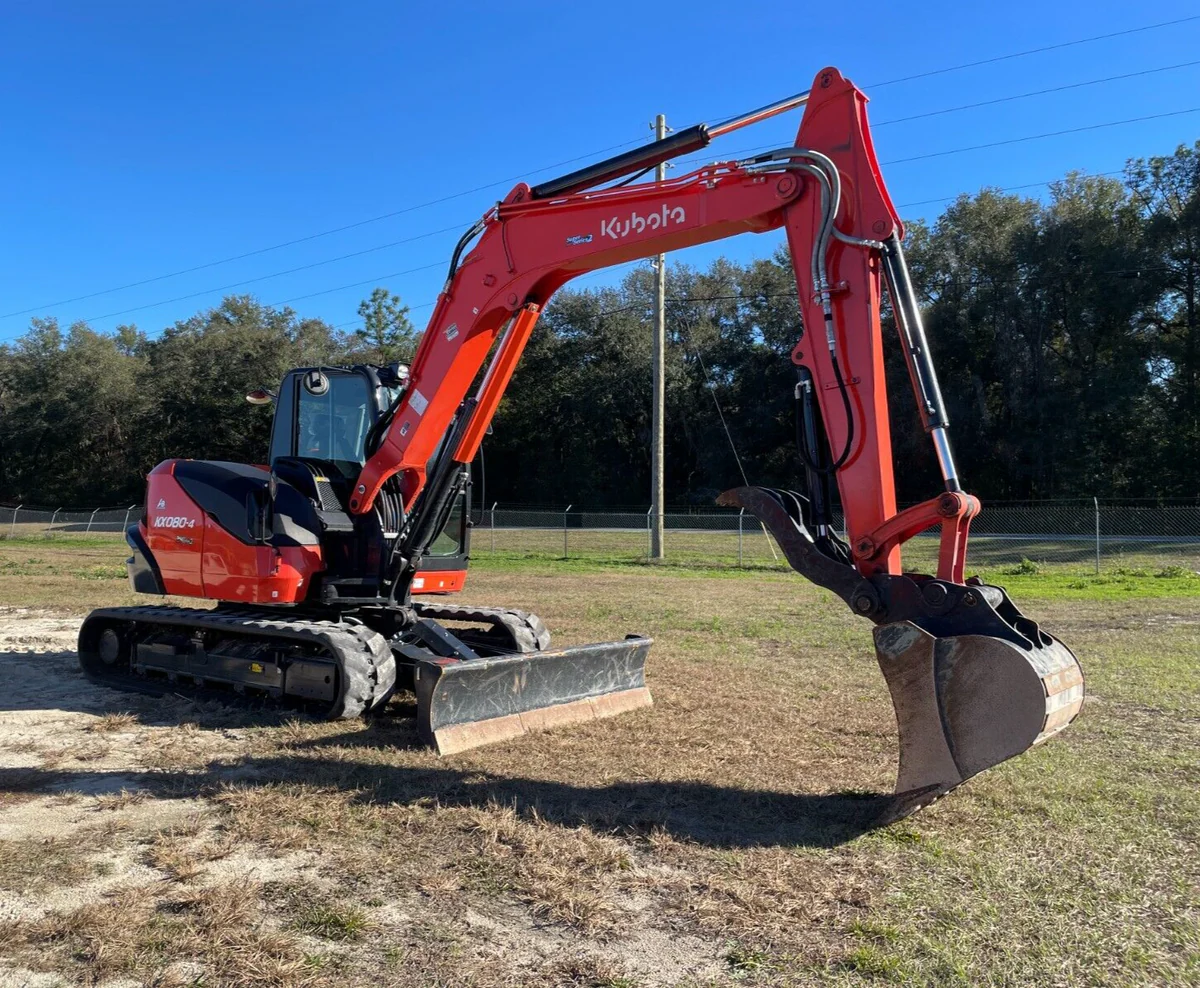
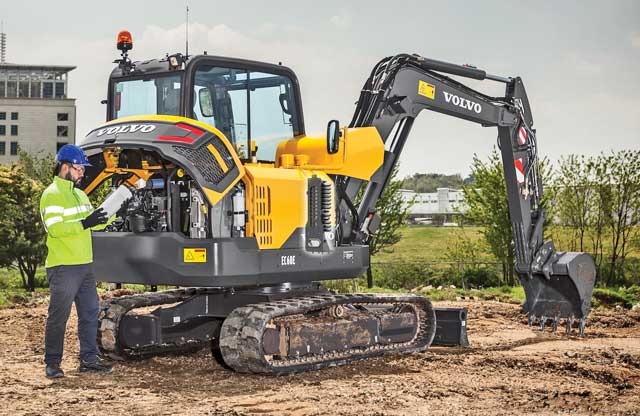
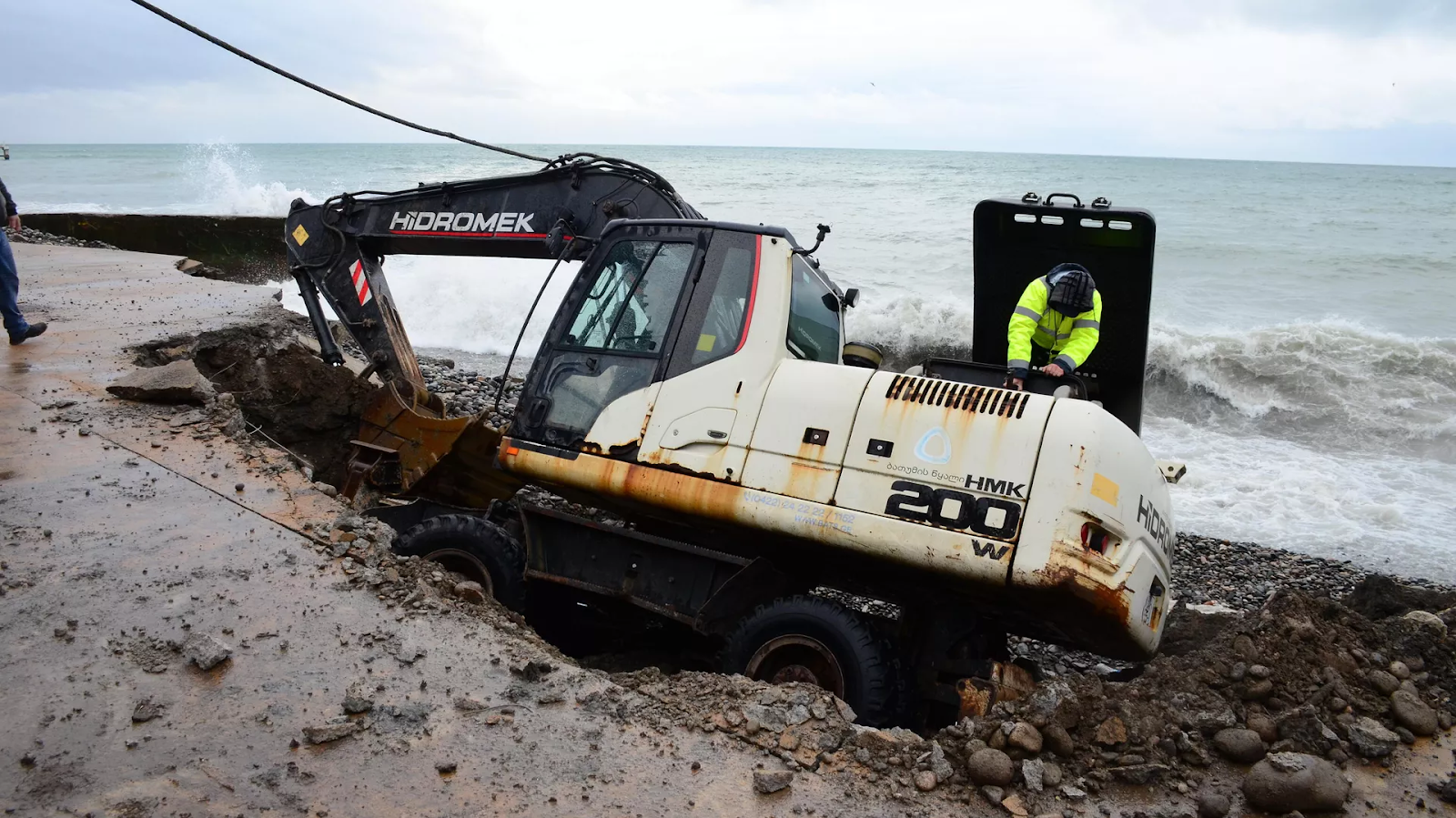
In practice, it is used wheeled excavators are often the optimal solution for urban and linear infrastructure projects due to their high mobility and the ability to be quickly put into operation.
At TAD Group, equipment selection is based on the construction schedule, operating conditions, and required performance, minimizing downtime and ensuring compliance with the stated deadlines for infrastructure projects.