Head office: 1Ya, Vyhovskoho st., office 37, Irpin, Ukraine
 Mon-Fri: 08:30-18:30


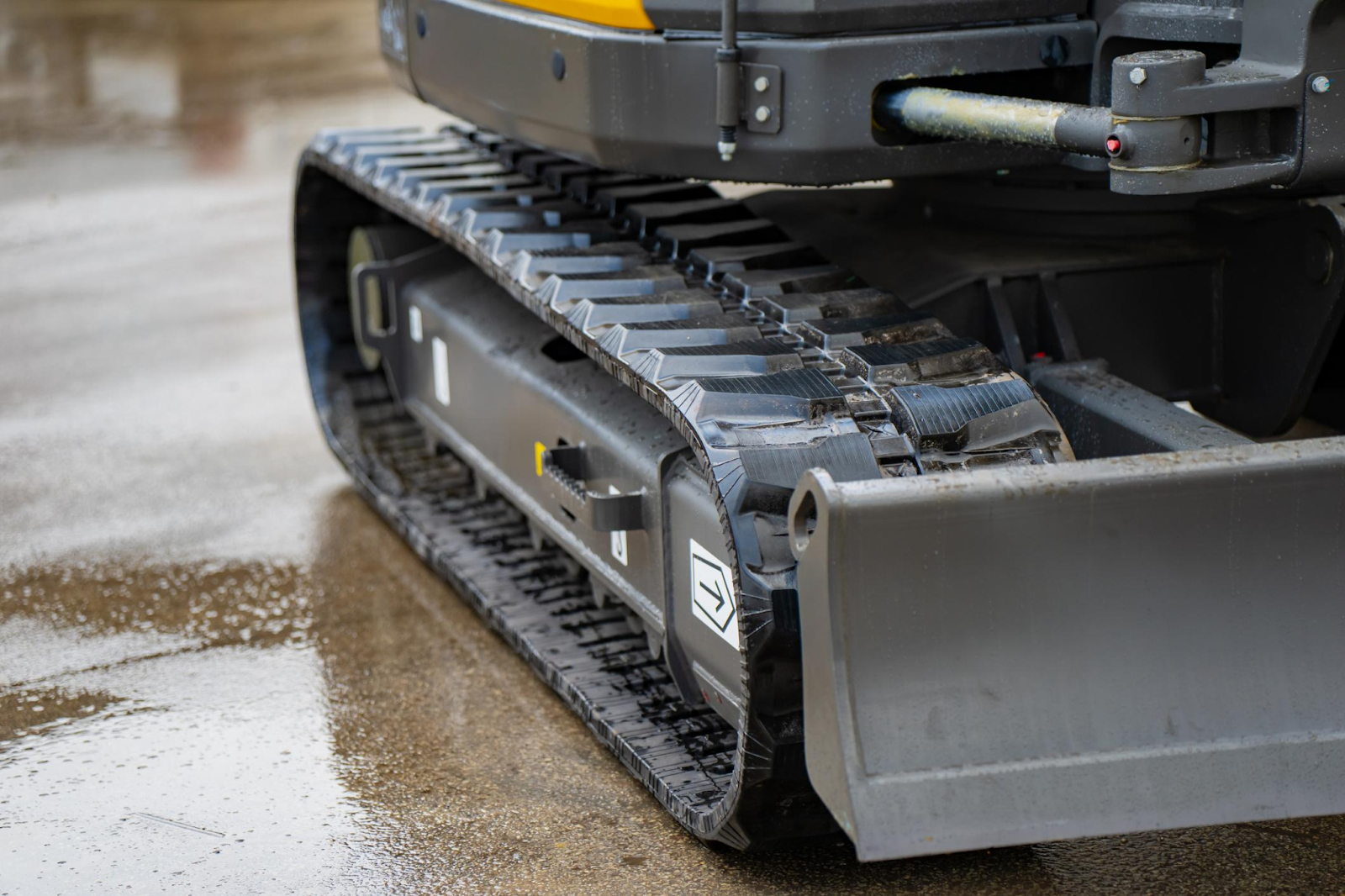
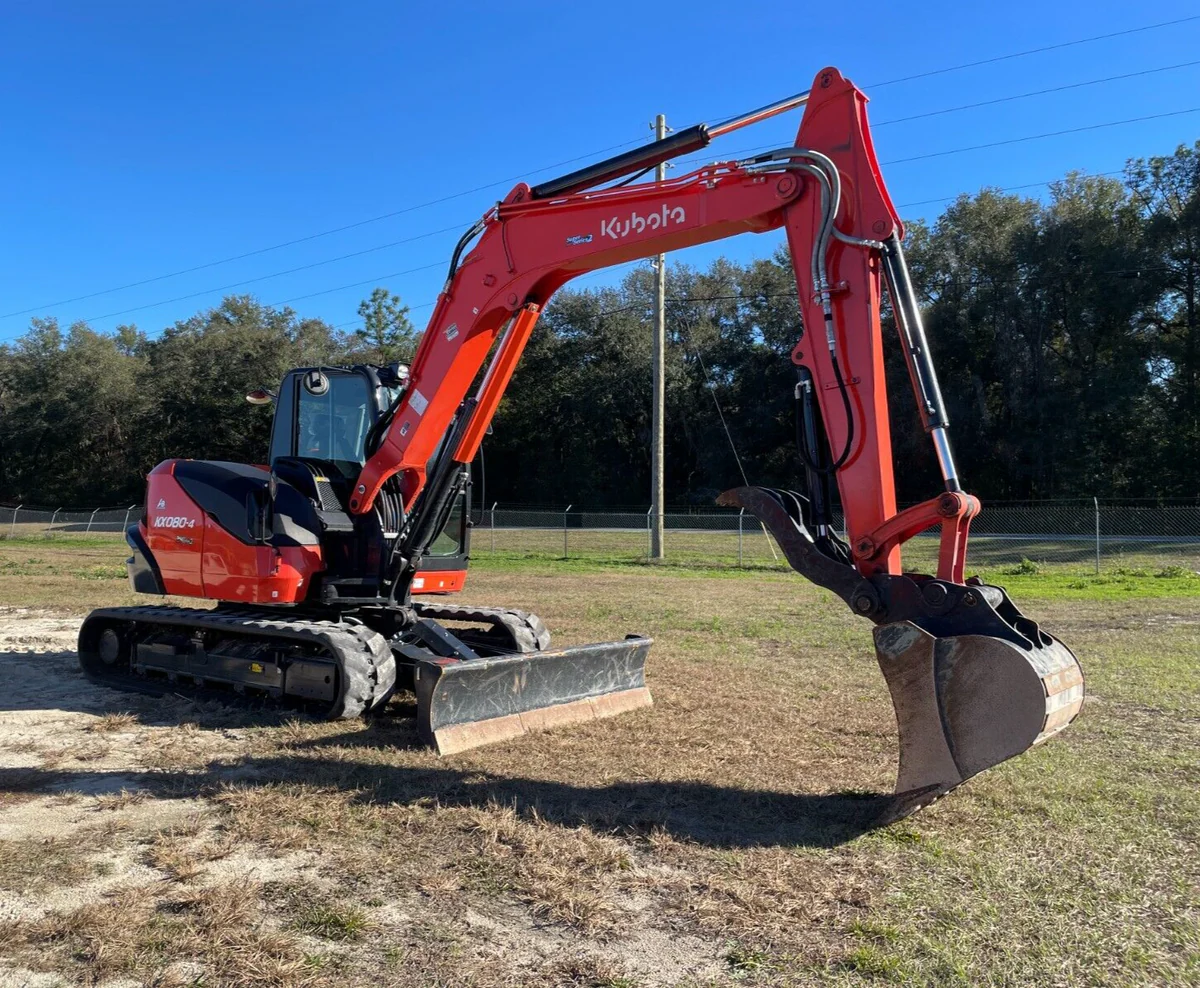
Buying a used excavator is always associated with risks. Even if the equipment appears to be in good condition, it may have hidden defects that only become apparent under load. This is why a test drive is considered one of the most objective and honest ways to assess the machine’s actual condition. However, in practice, many sellers try to avoid test drives. Let’s explore what a used excavator test drive actually entails, what problems it solves, and why it’s inconvenient for unscrupulous sellers.
What is a test drive in the context of special equipment?
An excavator test drive isn’t just a quick engine start and a drive around the site. It’s a full-scale inspection of the machine in operating modes that closely approximate real-world use. During the test drive, the operation of all key systems is assessed under load, not at idle.
Unlike a visual inspection, a test drive allows you to identify:
- pressure drop in the hydraulic system;
- oil and engine overheating;
- delays and jerks when operating the boom and bucket;
- hidden transmission vibrations;
- electronic errors that occur only during operation.
What systems are checked during a test drive?
A full test drive includes several stages, each of which provides important technical information.
Engine and fuel system:
Stability under load, response to sudden rev increases, absence of overheating, and abnormal noise are checked. This is often where problems with injectors, turbochargers, or the cooling system manifest themselves.
hydraulic system
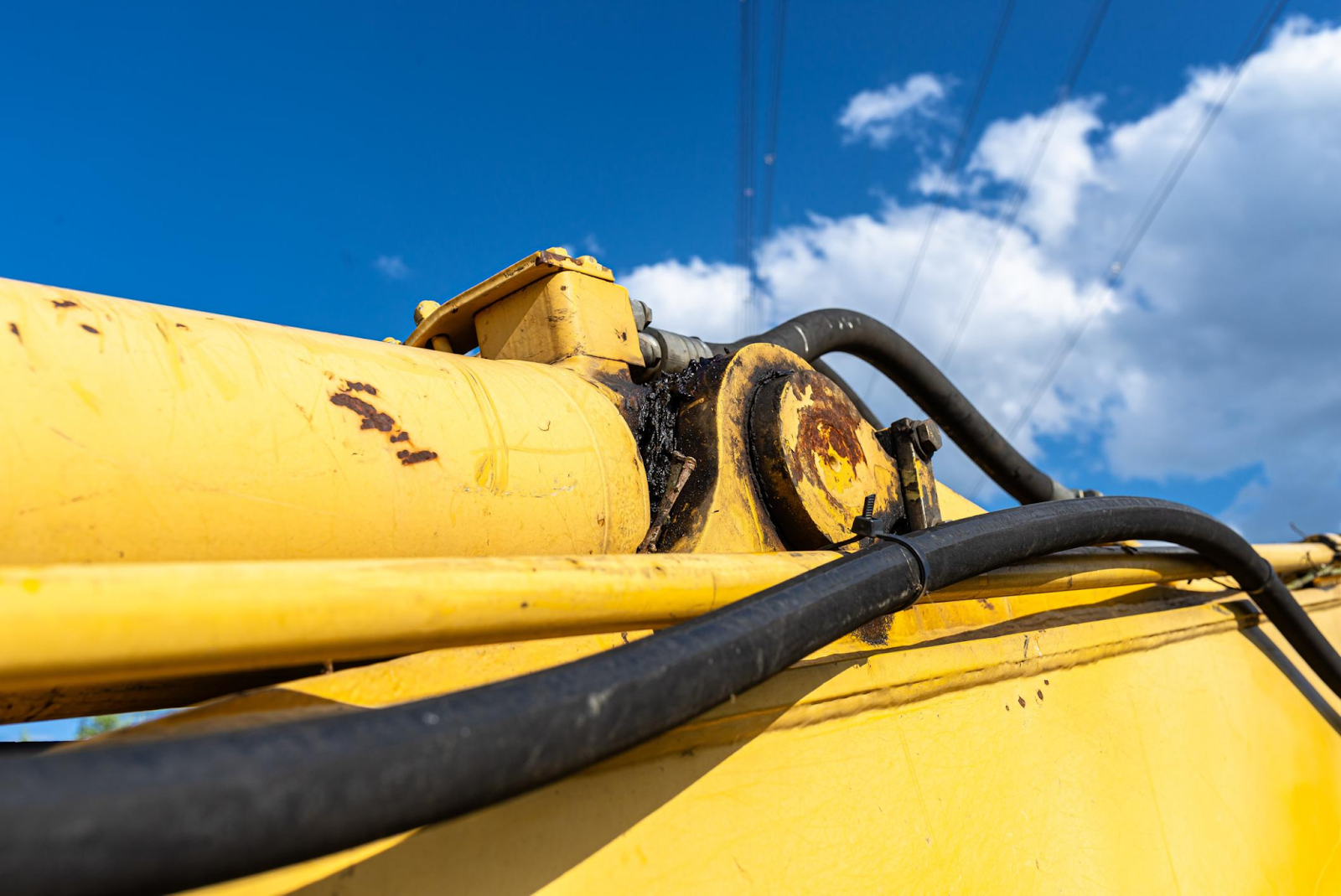
performs a full cycle of operations: digging, turning, lifting, and supporting a load. Any dips, slowdowns, or uneven movements indicate wear in the pumps, valves, or cylinders.
Drivetrain and chassis:
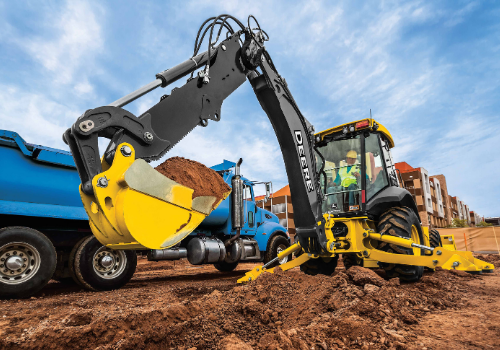
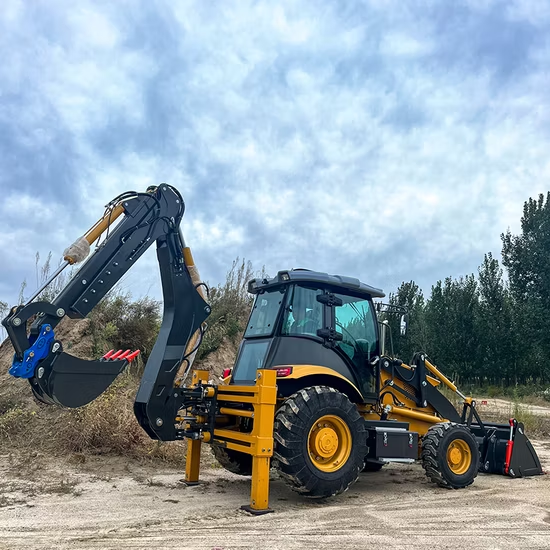
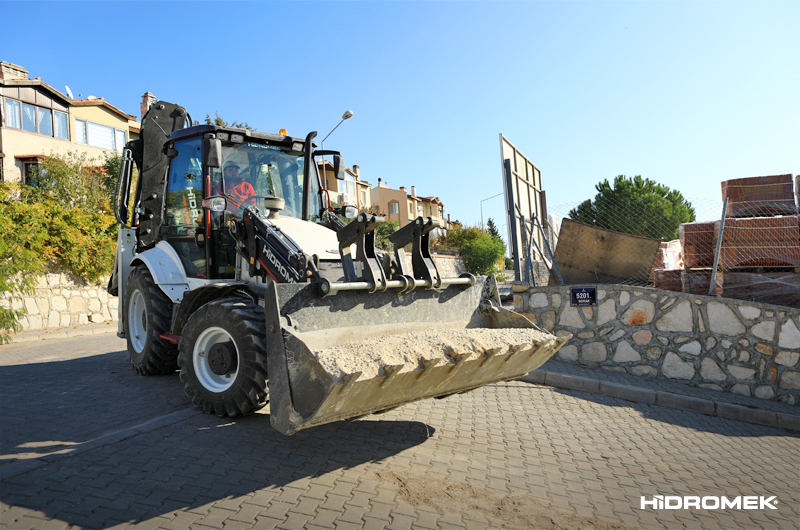
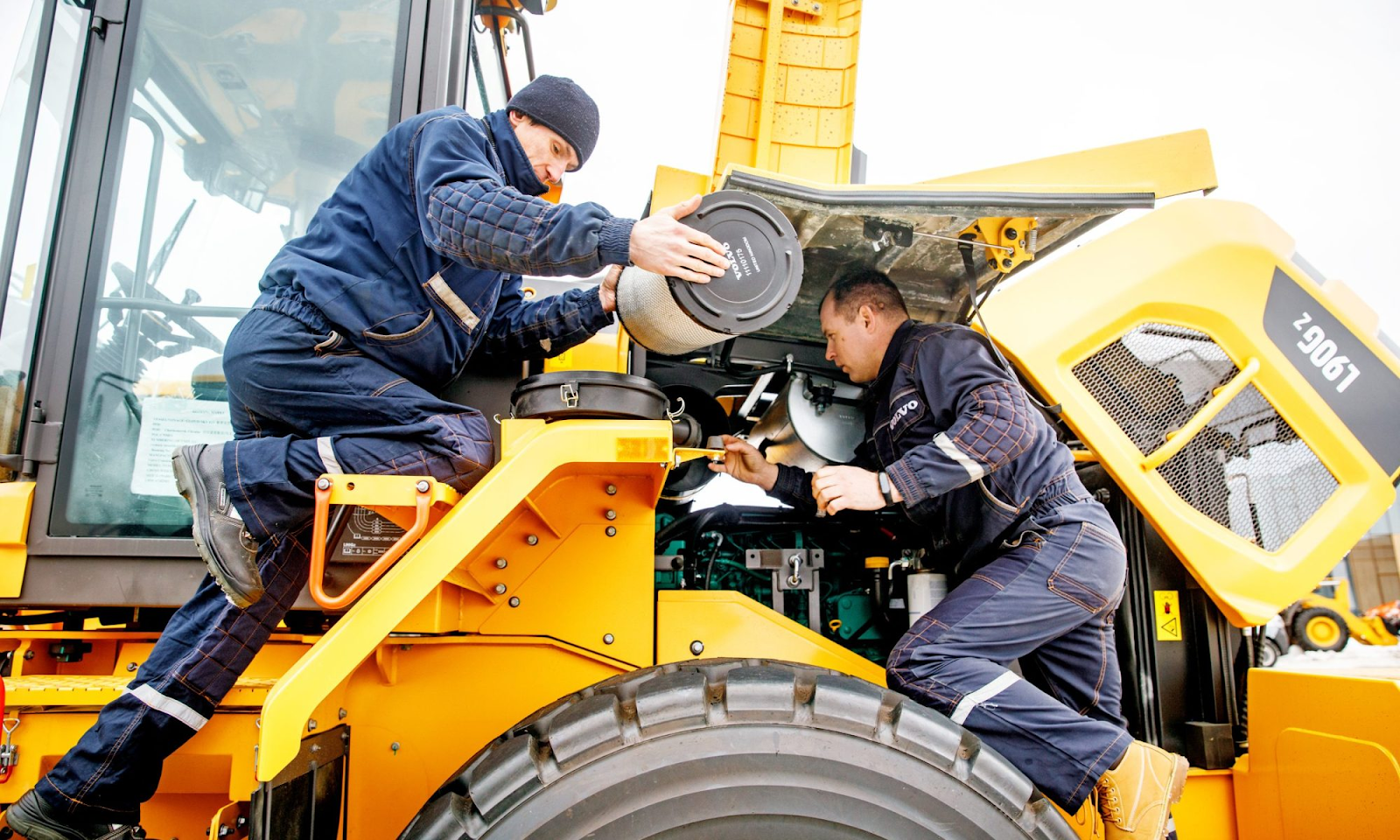
During movement and turning, play, impacts, and noises that are impossible to detect during a static inspection are detected. This is especially important for backhoe loaders, which frequently move between sites.
Electronics and Control Systems:
Modern equipment is equipped with sensors and electronic control units. Errors may not appear at startup, but may appear after 15–30 minutes of operation—this is what a test drive reveals.

Why are sellers afraid of test drives?
Refusing a test drive is one of the main warning signs when buying used equipment. The reasons for this behavior are usually quite specific.
The most common of them are:
- hidden hydraulic problems masked by oil changes;
- temporarily fixed electronic errors;
- engine overheating during prolonged operation;
- critical wear of components, which is noticeable only under load;
- equipment after intensive rental or quarry.
While the excavator is idle, most of these defects don’t become apparent. A test drive, however, makes them obvious, eliminating the seller’s opportunity for a “cosmetic” sale.
How is a test drive different from diagnostics?
Service diagnostics and a test drive are not mutually exclusive, but rather complement each other. Diagnostics reveal the current condition of components, while a test drive reveals their performance in real-life operation. It is the combination of these two stages that provides the most objective picture.
Why a test drive is especially important when buying used equipment
Used special equipment already exhibits a certain amount of wear and tear, and the buyer’s job is to understand how critical this wear is to their needs. A test drive allows:
- estimate the remaining life of the machine;
- predict upcoming maintenance costs;
- understand whether the equipment is suitable for specific operating conditions;
- avoid buying a car with “deferred” breakdowns.
Who benefits from a test drive?
A test drive is disadvantageous only to those who hide problems. For a reputable seller, on the contrary, it is an advantage and a confirmation of the transaction’s transparency. Companies confident in the condition of their vehicles do not restrict buyers from inspecting them.
Proven technology with the ability to fully test
If you are considering purchasing when choosing a used excavator loader, it’s important to choose a seller who isn’t afraid to test drive the machine and is willing to confirm its condition in real-world conditions. At TAD Group, used special equipment undergoes technical inspection and is selected for real-world operating conditions, allowing buyers to make an informed and safe decision.