Head office: 1Ya, Vyhovskoho st., office 37, Irpin, Ukraine
 Mon-Fri: 08:30-18:30


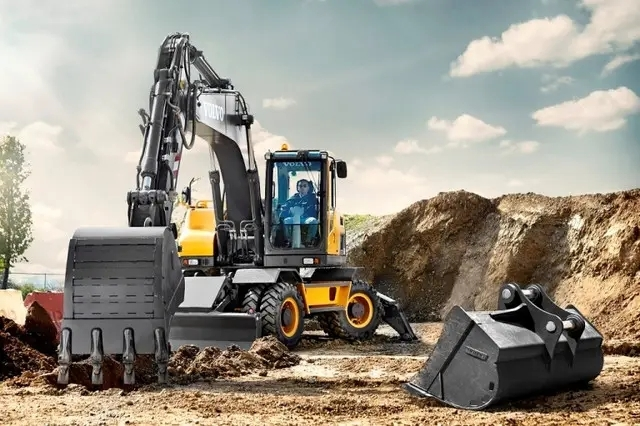
Late construction project launches are common in the Ukrainian market. Financing delays, adjustments to design documentation, weather conditions, or administrative approvals often lead to the active construction phase starting later than planned. Under these circumstances, equipment downtime—one of the most expensive and underestimated factors in budget losses—becomes a key risk. Proper preparation minimizes downtime and ensures stable operations, even under tight deadlines.
Why Late Launches Increase the Risk of Downtime
When a construction project starts late, a company faces several challenges:
- the equipment has been out of use for a long time;
- deadlines are getting tighter and the workload on machines is increasing;
- the likelihood of breakdowns at the start increases;
- Errors in logistics lead to delays in the delivery of equipment to the site.
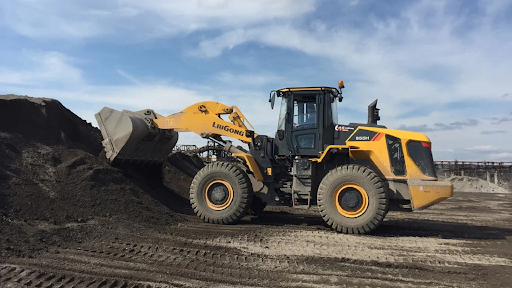
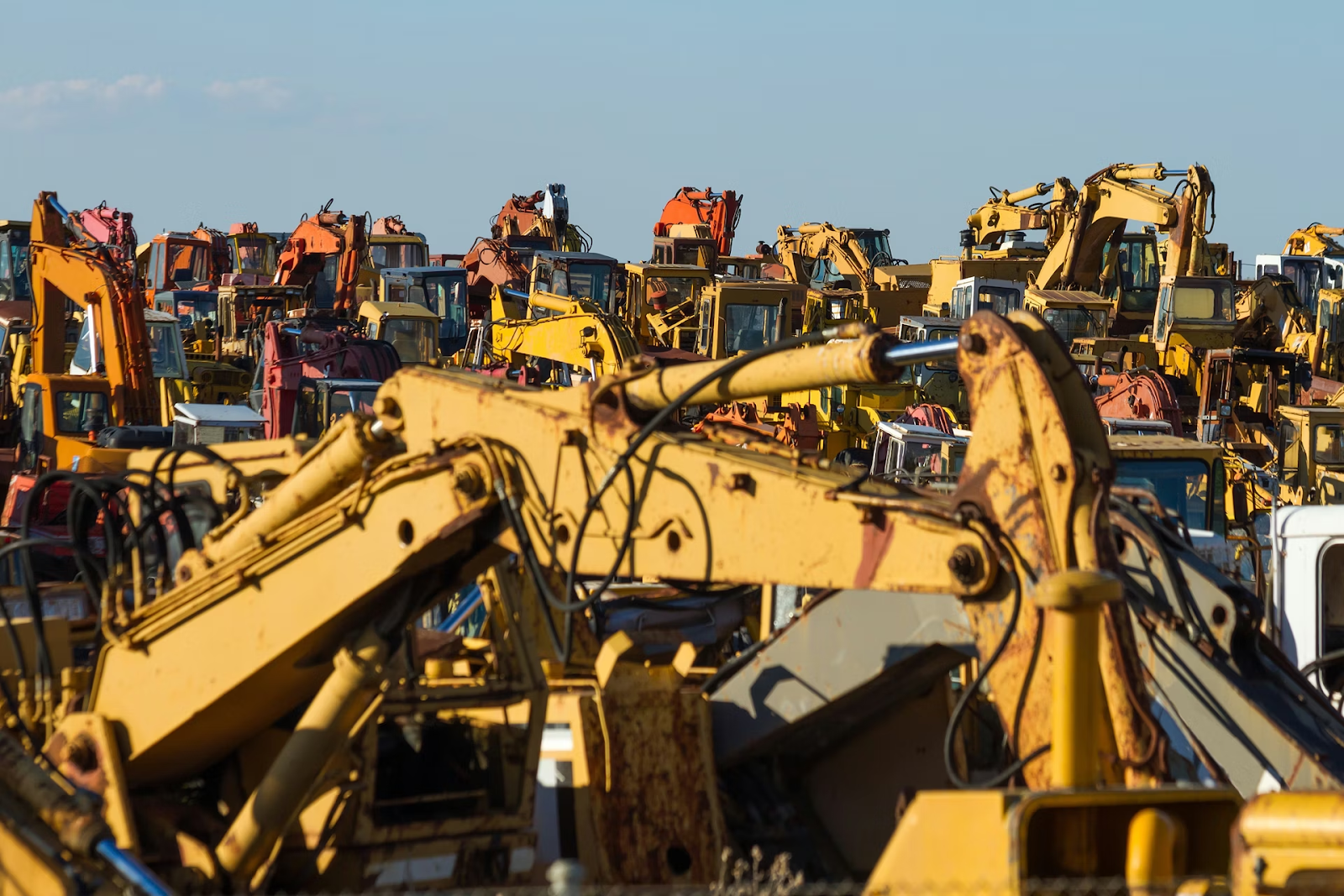
As a result, excavators, loaders, and other specialized equipment either sit idle or arrive at the site unprepared, leading to emergency shutdowns within the first few weeks of operation.
Pre-launch technical preparation is the key to continuous operation
One of the biggest mistakes is putting equipment back into operation without proper preparation after a period of inactivity. Even if the machine appears to be in good working order, prolonged storage negatively impacts its components.
Before going to the site, you must:
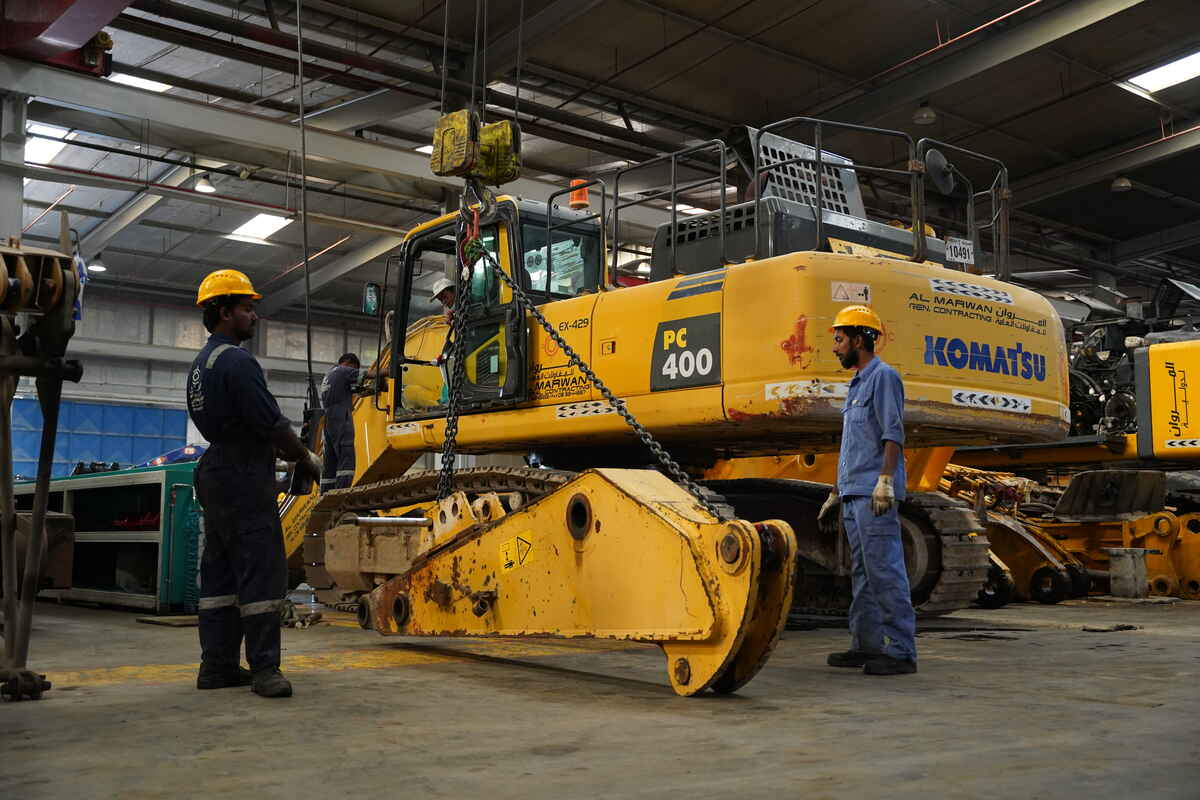
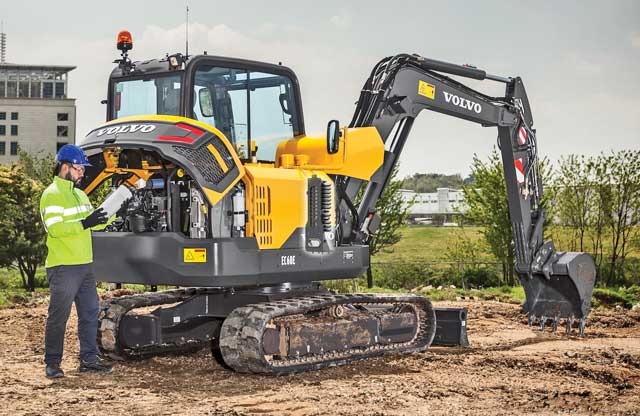
- carry out diagnostics of the engine and fuel system;
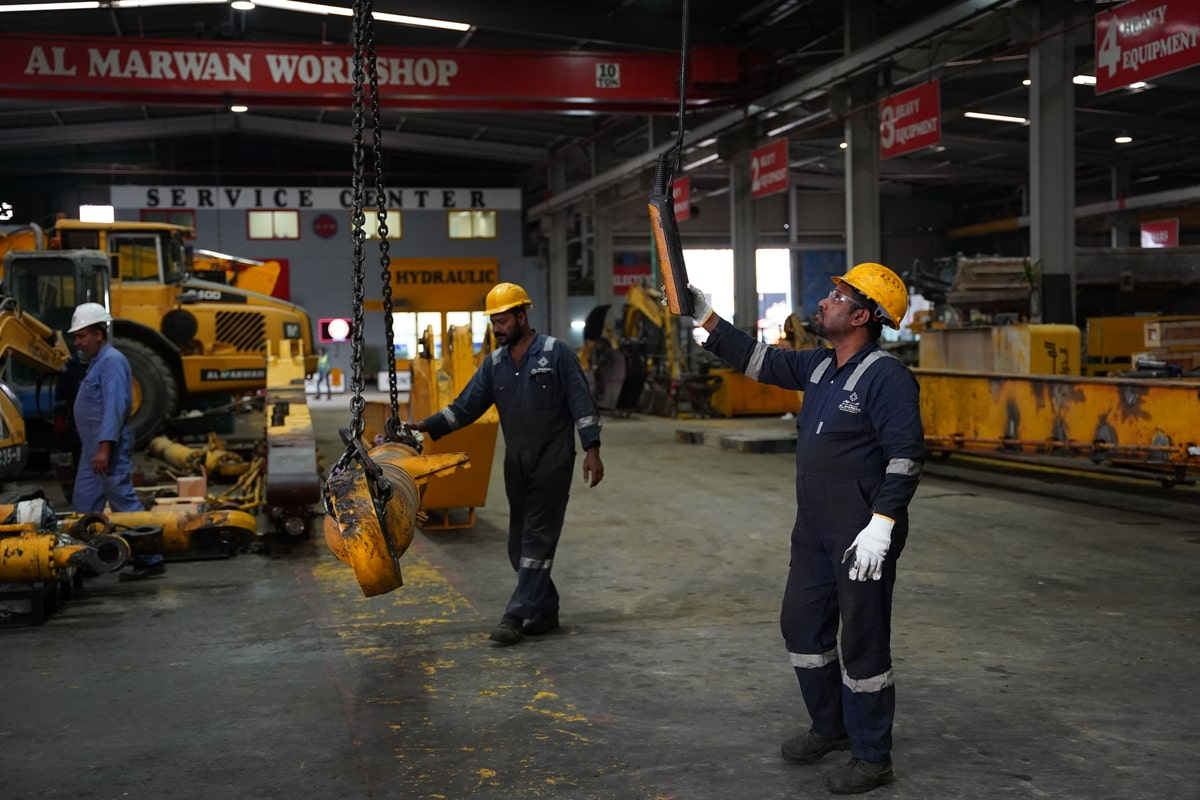
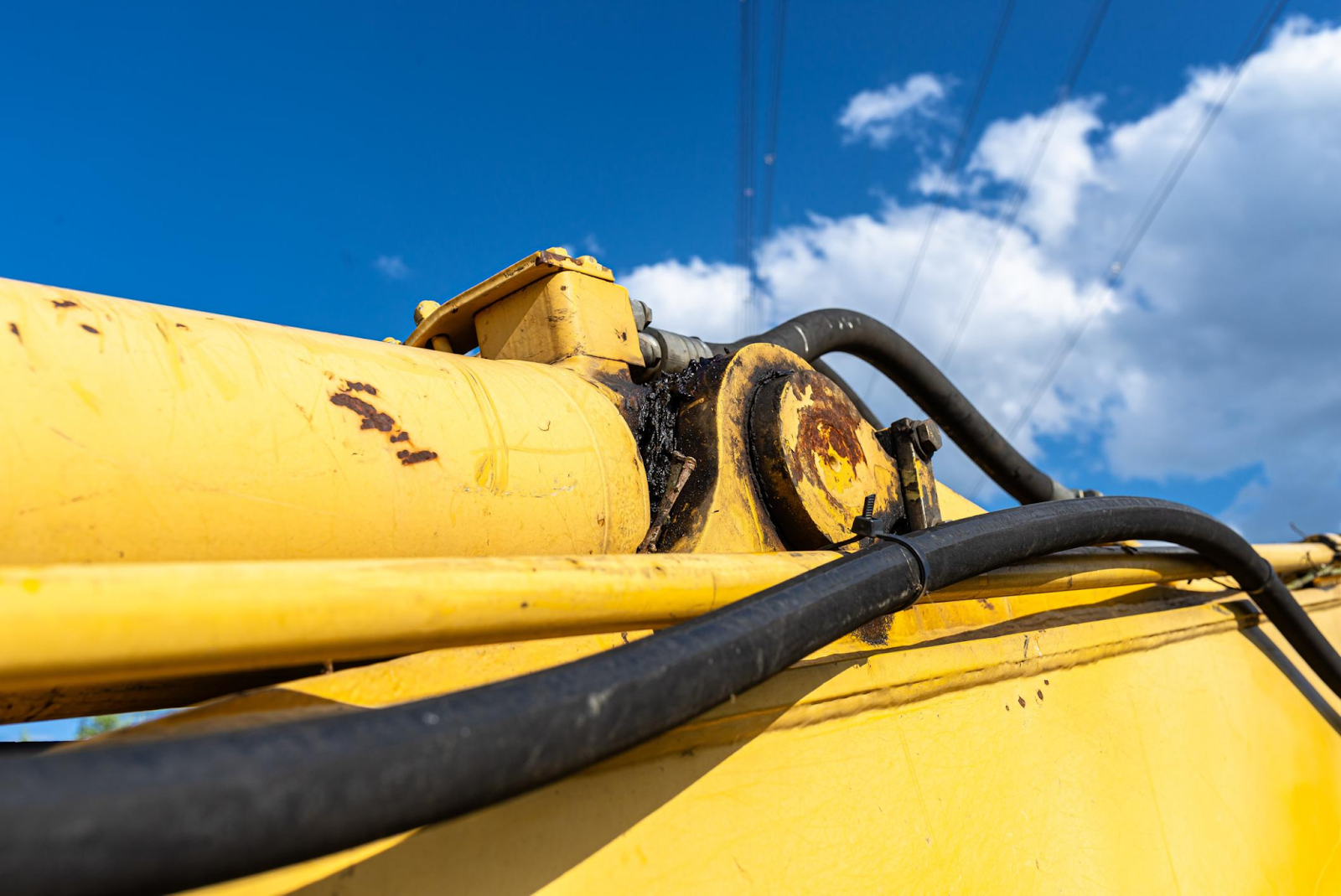
- check the condition of the hydraulics and replace working fluids if necessary;
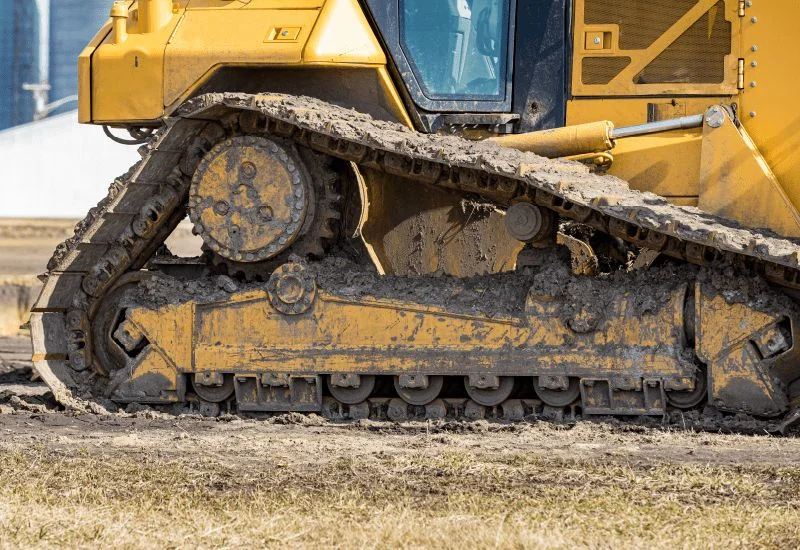
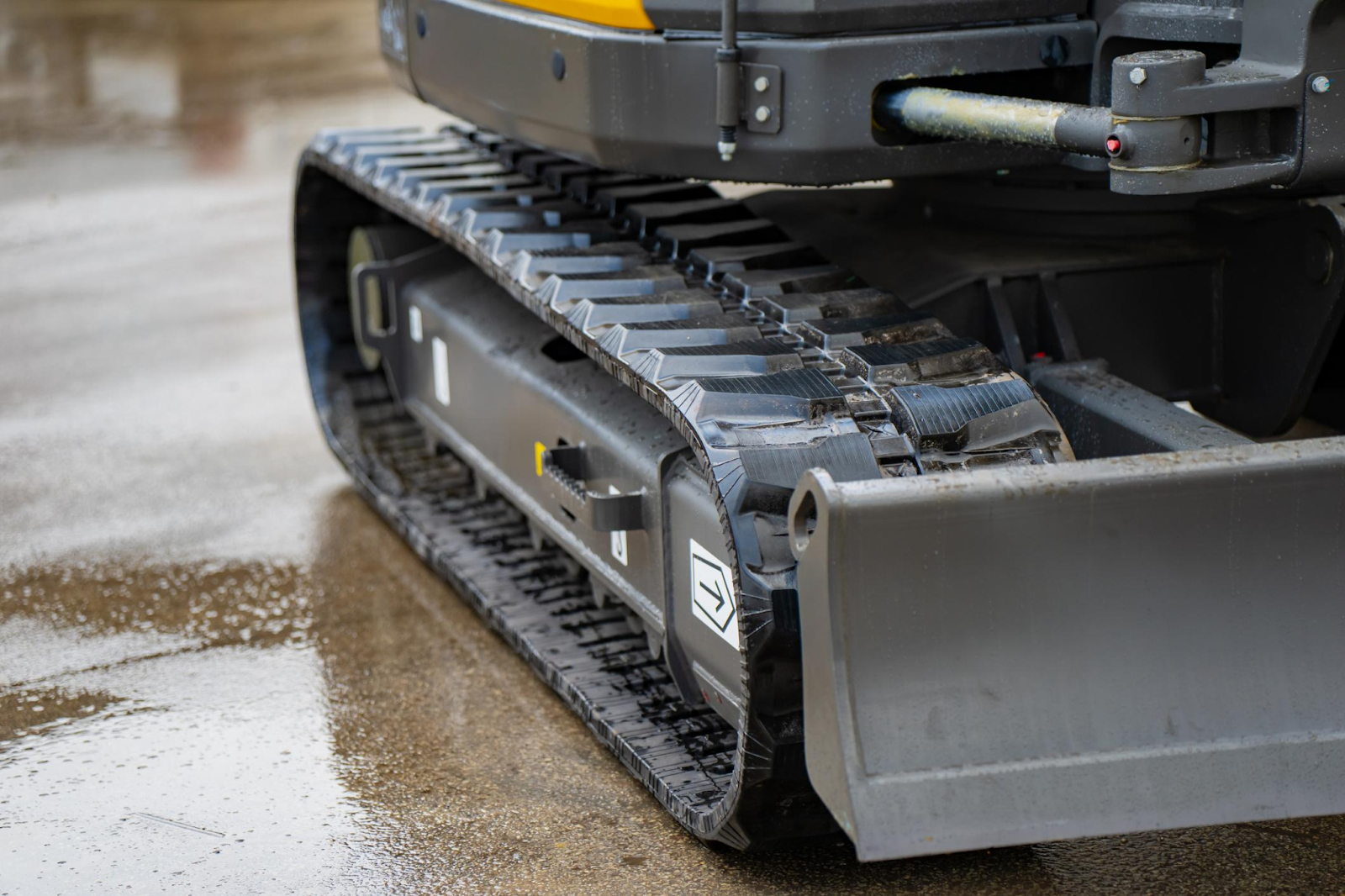
- inspect the chassis and track tension;
- test electronics and sensors under load;
- perform a test run with simulation of operating modes.
This preparation allows us to identify problems before active work begins, rather than during peak loads.

Planning the sequence of work and loading of equipment
A late start requires particularly precise planning. Equipment often remains idle not because of breakdowns, but because of a lack of a clear workflow.
To reduce downtime, it is important to:
- determine in advance the stages where the equipment will be used continuously;
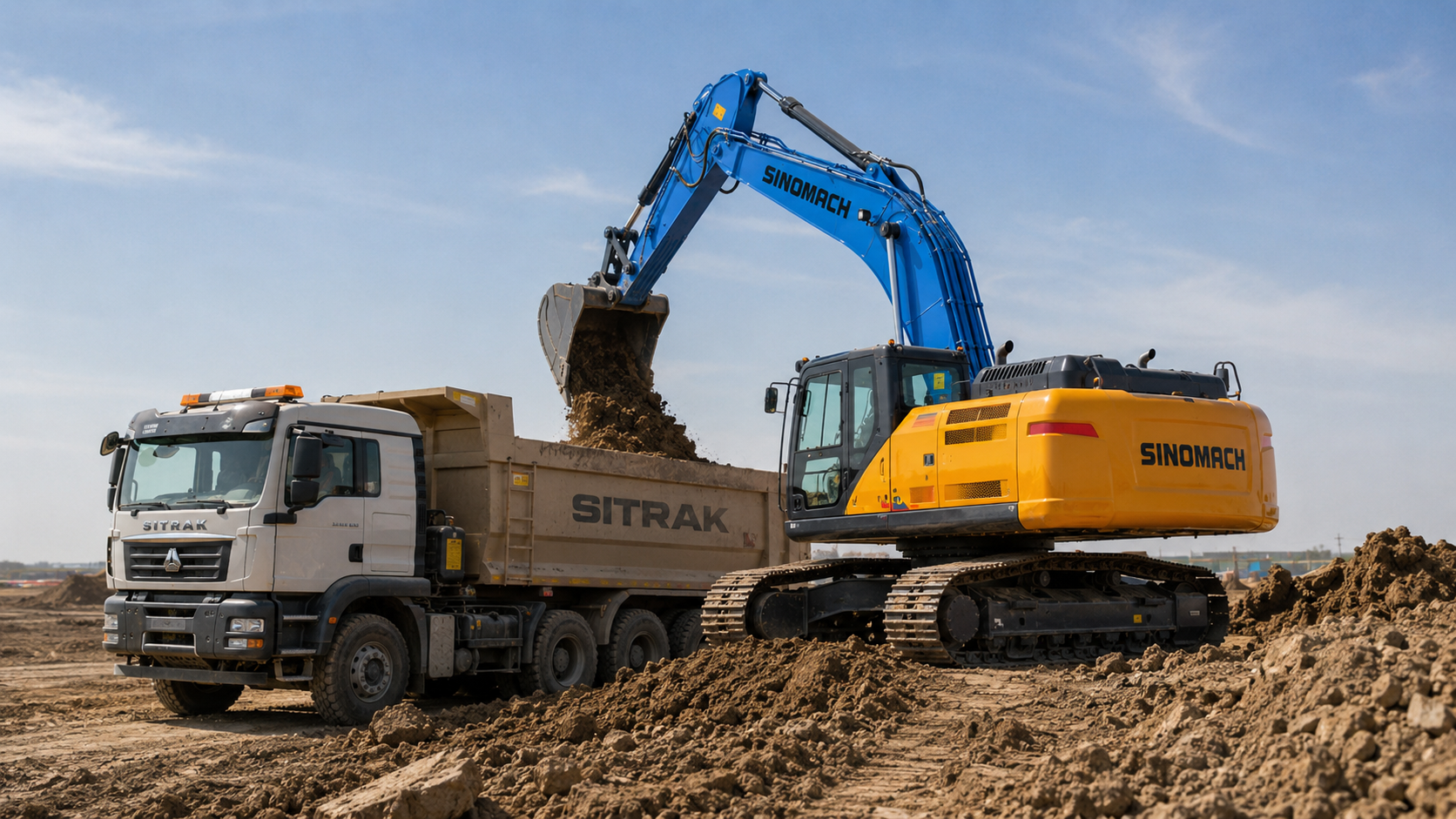
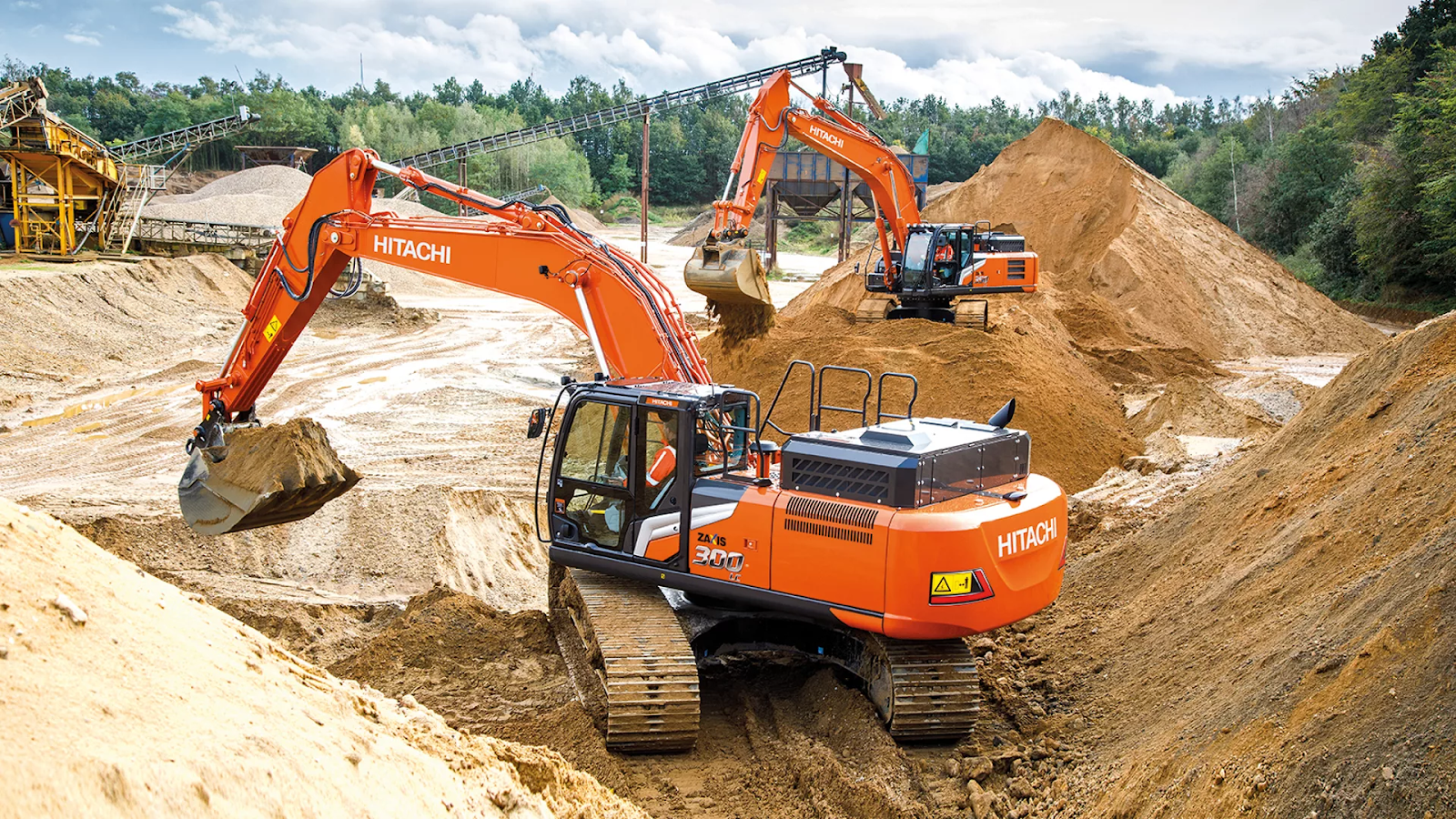
- synchronize the work of excavators with dump trucks and loaders;
- eliminate situations where the vehicle is waiting for other contractor teams;
- provide for backup tasks in case of delays in the main front of work.
A clear schedule allows you to use the equipment as efficiently as possible, even with a limited time window.
Taking into account seasonal factors and soil conditions
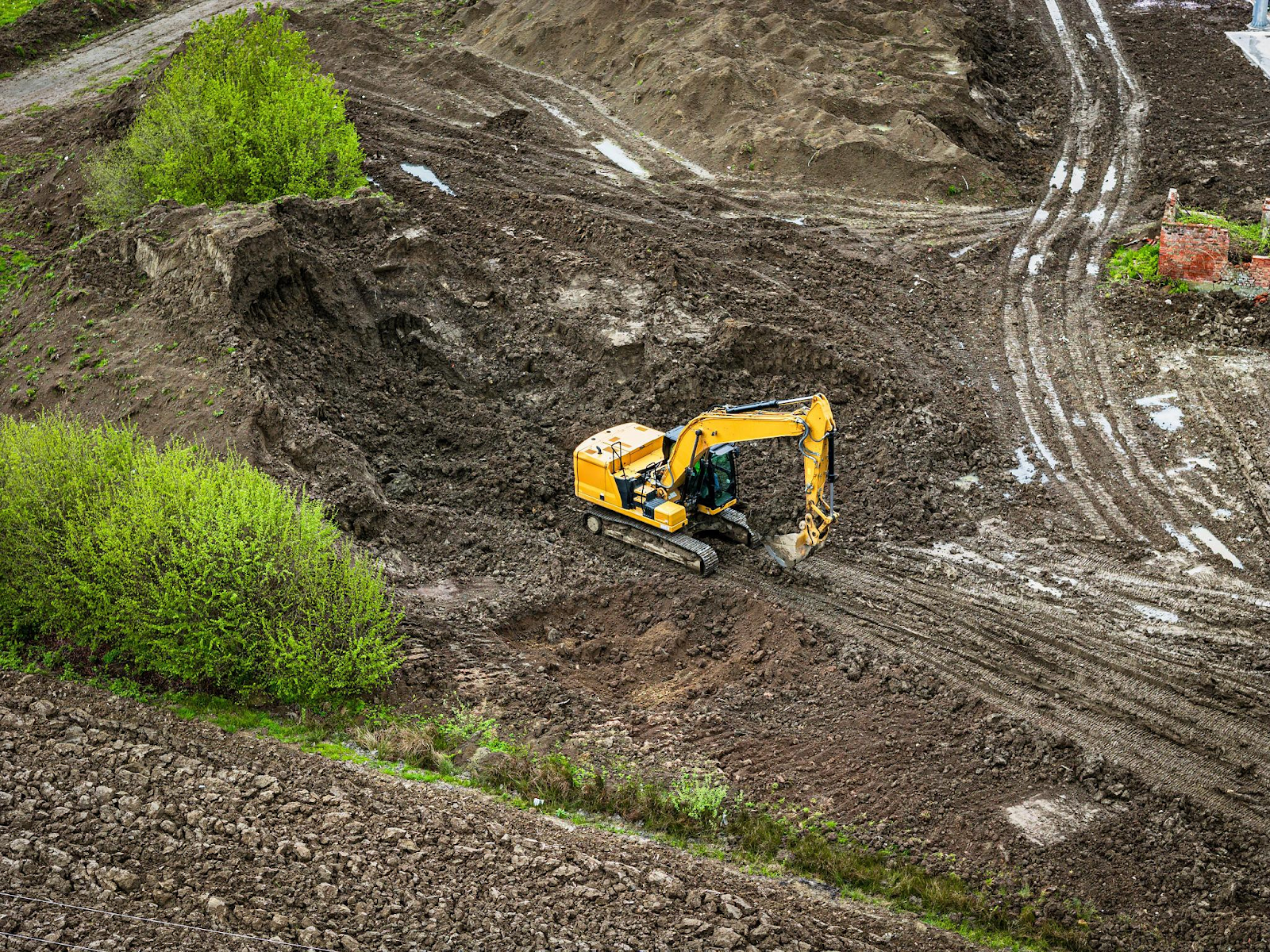
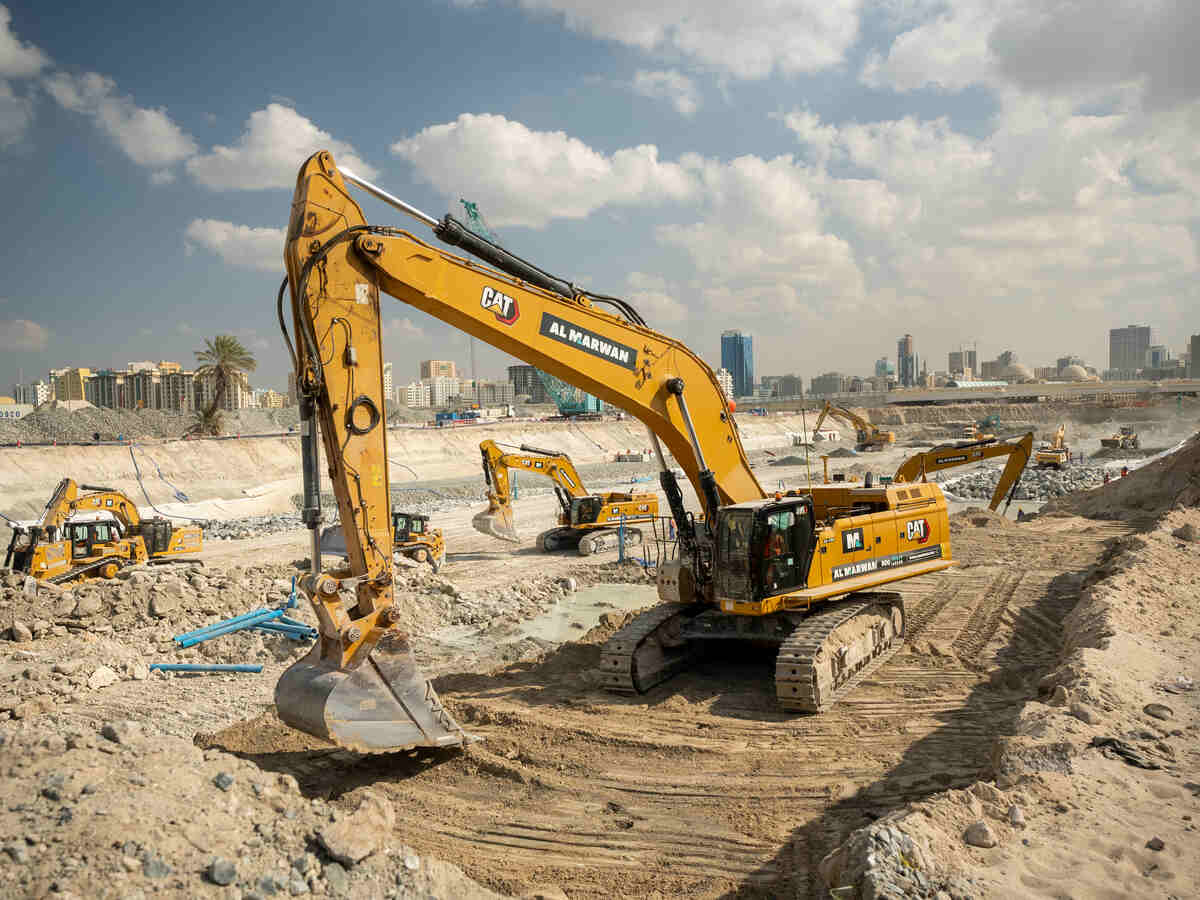
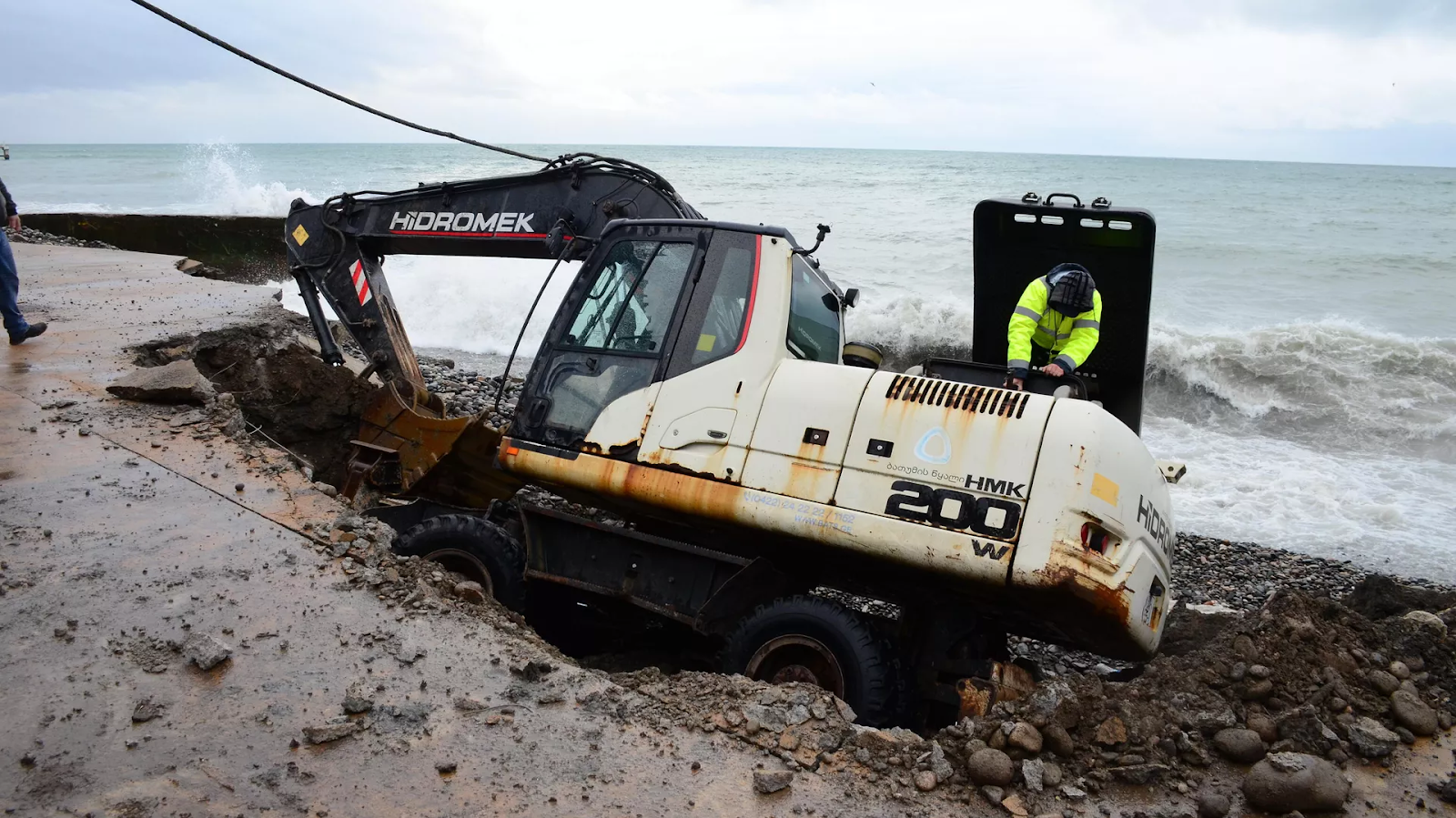
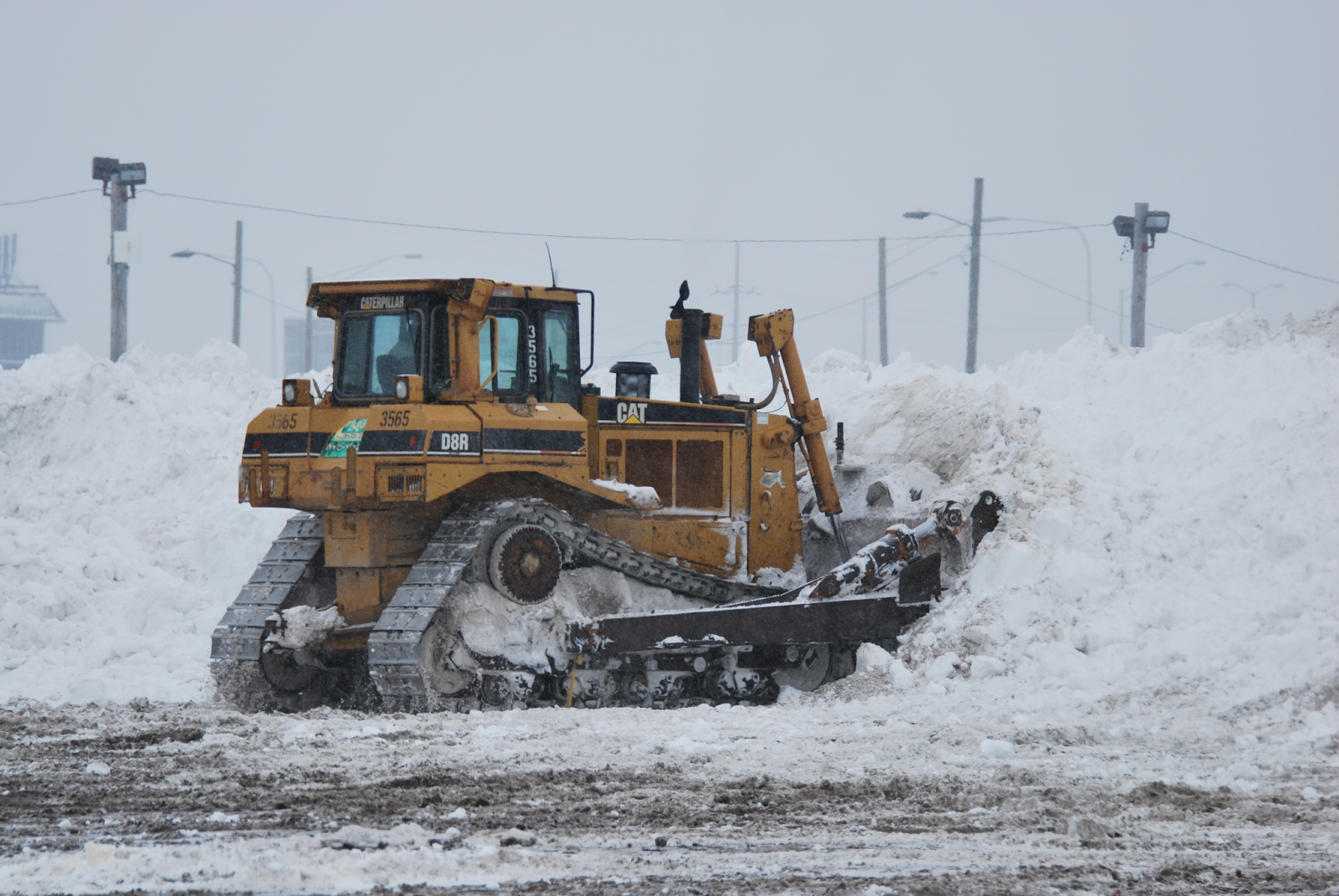
Late construction starts often occur in the fall or winter, when working conditions become more challenging. Frozen or waterlogged ground increases the load on equipment and slows down the progress of work.
Recommended:
- choose machines with sufficient power and stability;
- take into account the cross-country ability of equipment on soft soils;
- prepare access roads in advance;
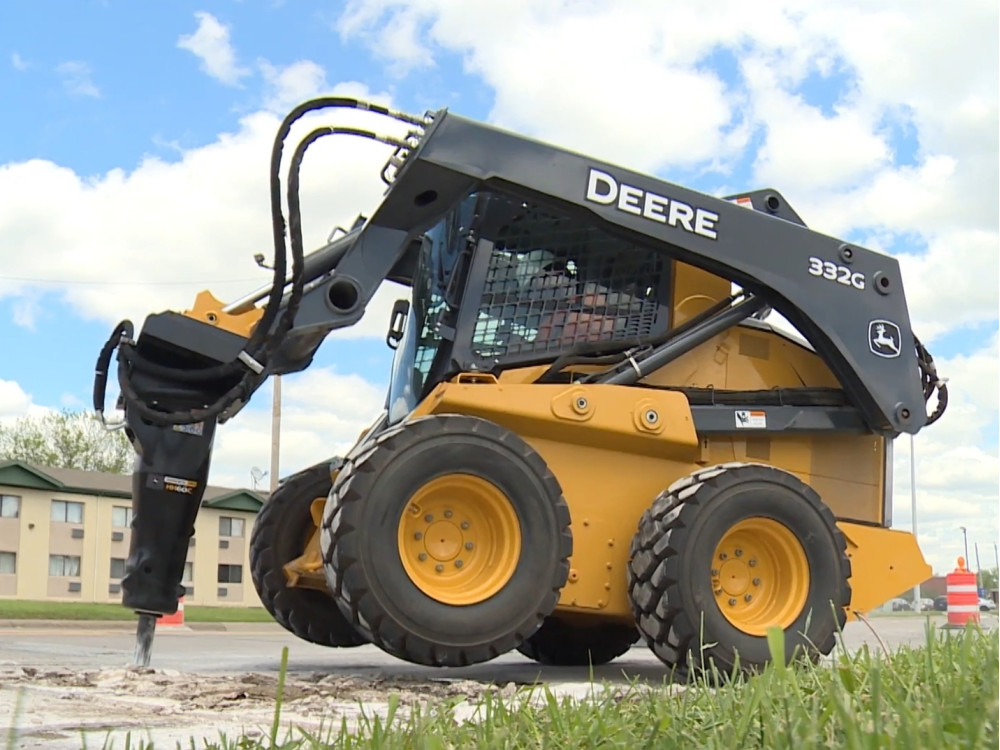
- Use attachments suitable for seasonal conditions.
Underestimation of these factors leads to forced stops and additional costs.
The operator’s role in preventing downtime
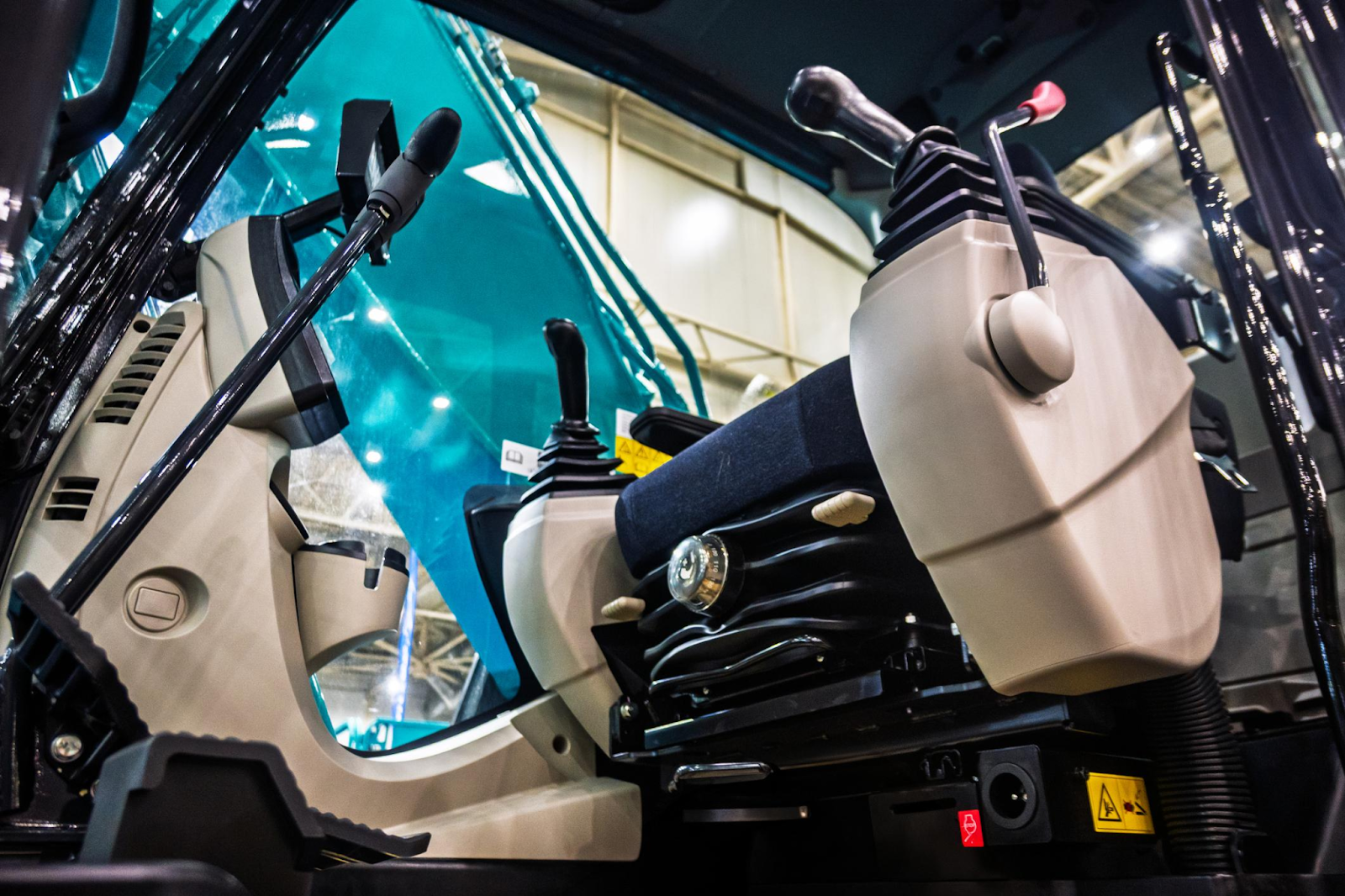
Compressed deadlines put increased strain not only on equipment but also on personnel. Unskilled operator work often leads to breakdowns right at the beginning of a project.
To reduce risks, it is important:
- attract operators with experience working in difficult conditions;
- avoid aggressive operating modes;
- observe the regulations for heating and cooling equipment;
- React promptly to unusual sounds and vehicle behavior.
A competent operator can extend the life of equipment and prevent emergency stops.
Spare parts and service readiness
During a late launch, there’s virtually no time to wait for spare parts. A lack of consumables or critical components can stall the project for days or weeks.
Practice shows the effectiveness of the following solutions:
- formation of a minimum warehouse of consumables;
- preliminary agreement with the service partner;
- availability of contacts for mobile service teams;
- use of equipment with spare parts available on the Ukrainian market.
This is especially true for used special equipment, where the speed of response to a malfunction plays a decisive role.
Selecting equipment as a factor in reducing downtime
Avoiding equipment downtime during a late construction start is only possible with a systematic approach. Technical preparation, sound planning, consideration of seasonal conditions, qualified operators, and the right choice of equipment make a project resilient to deadline delays. In today’s market conditions, this strategy allows you to maintain budget, meet obligations, and ensure the smooth operation of construction equipment from the very first days of launch.
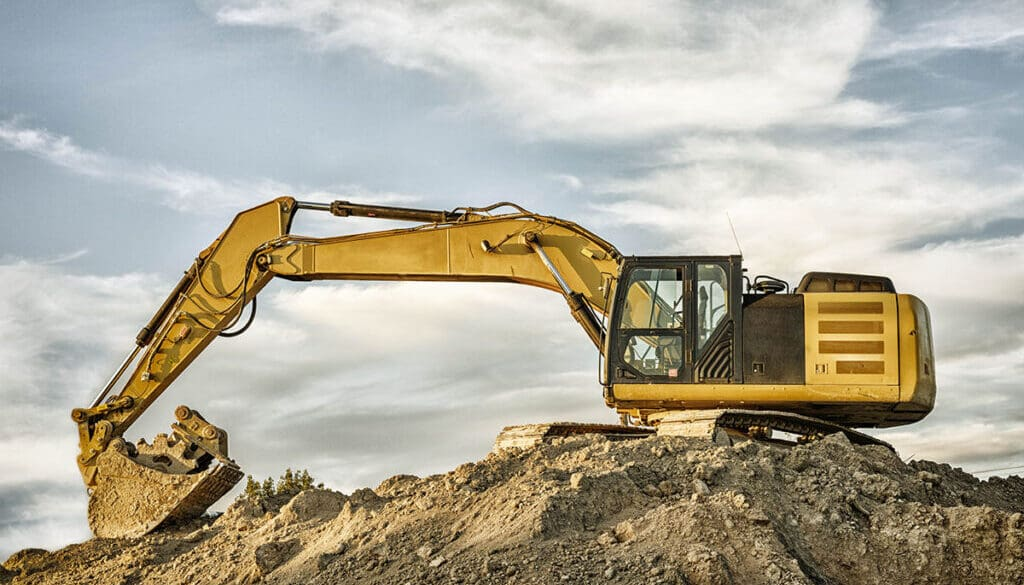
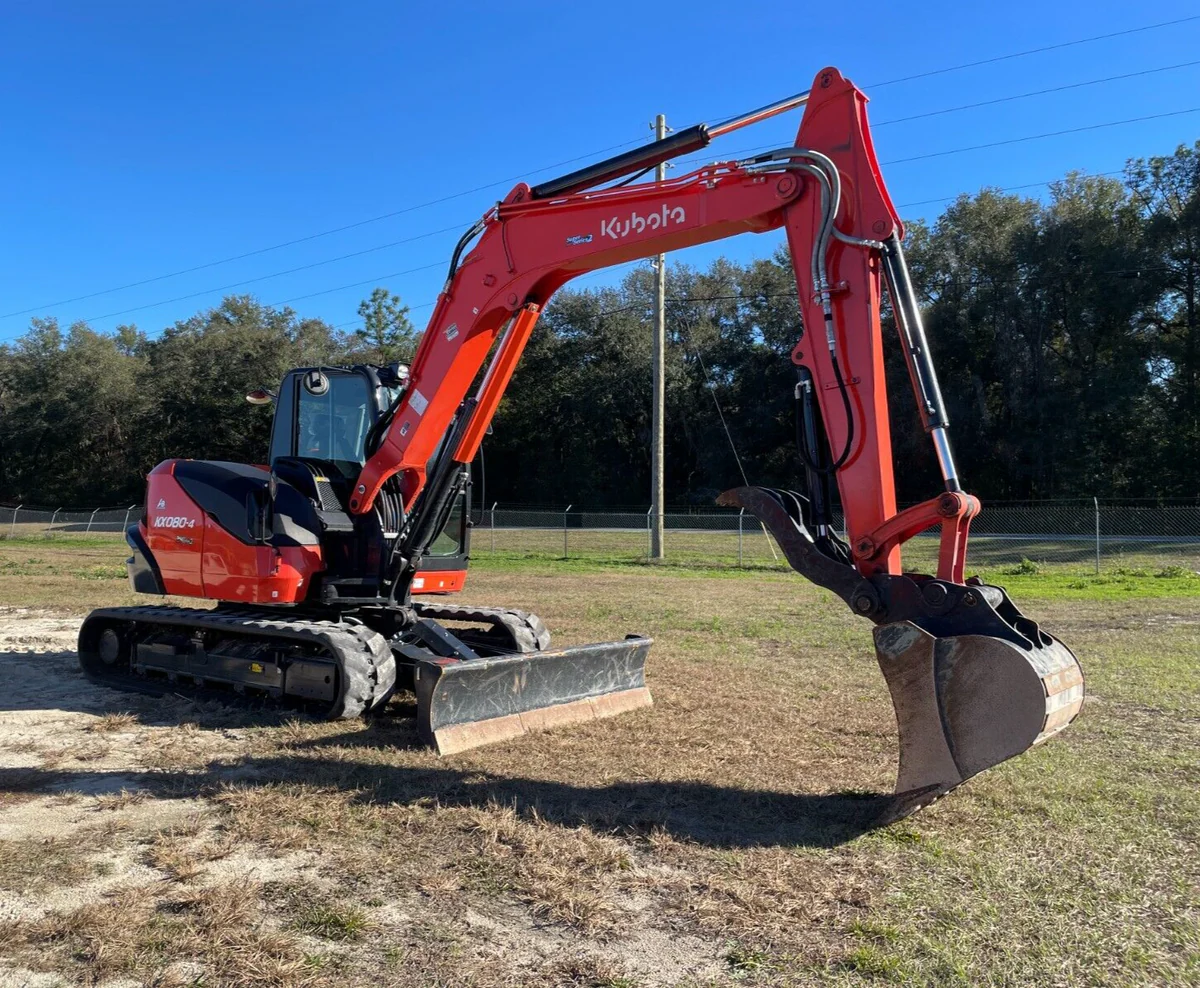
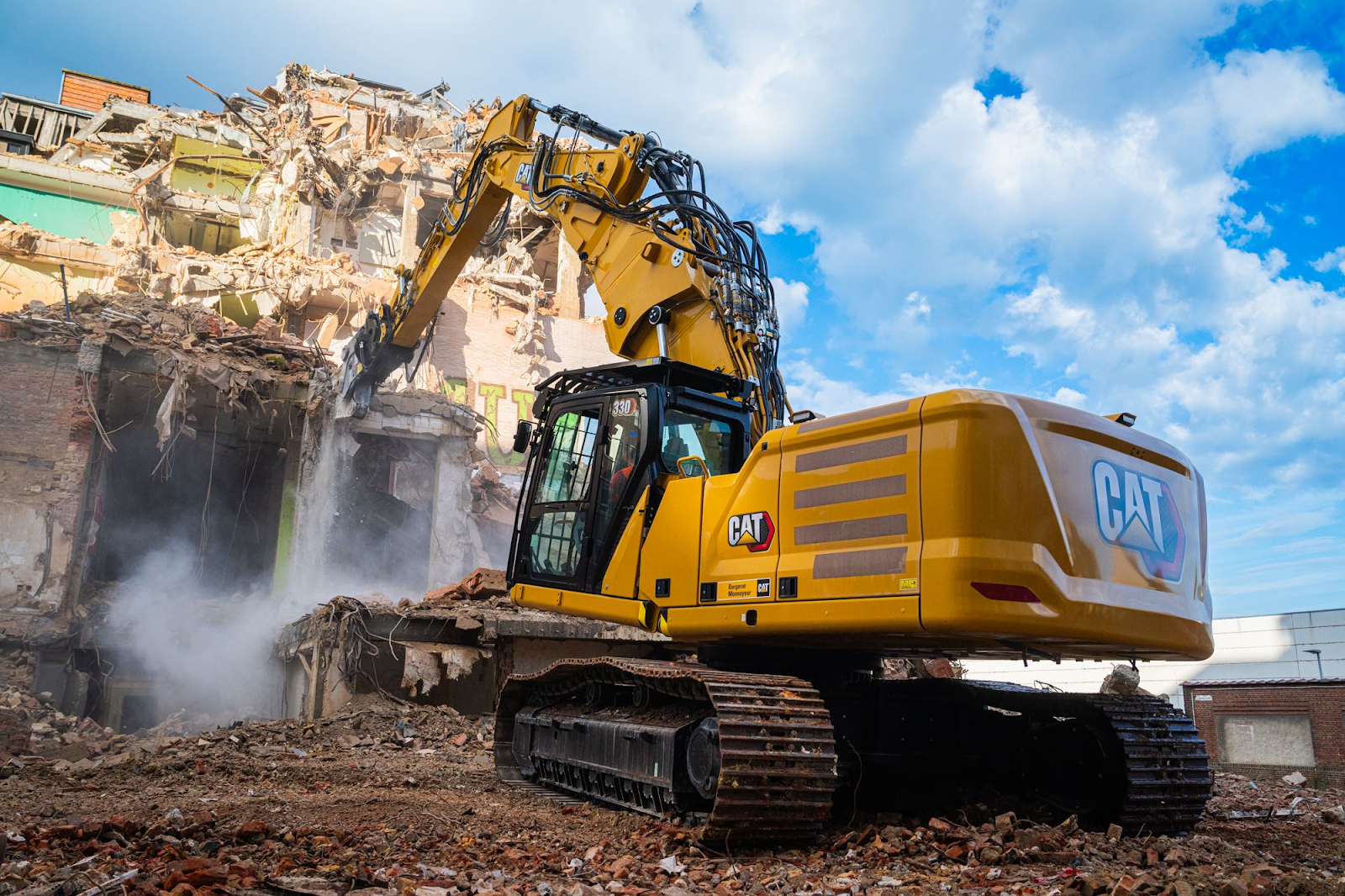
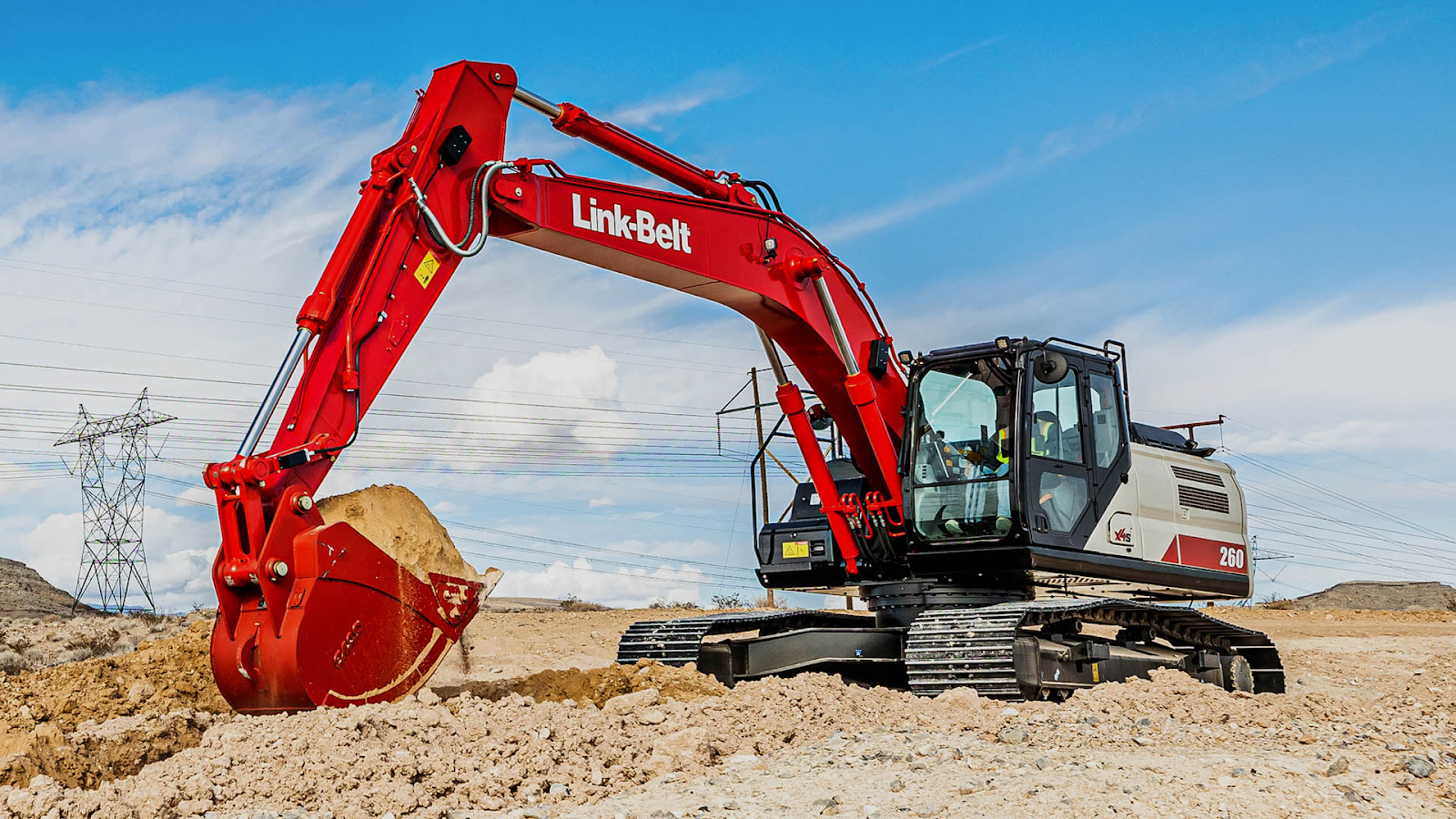
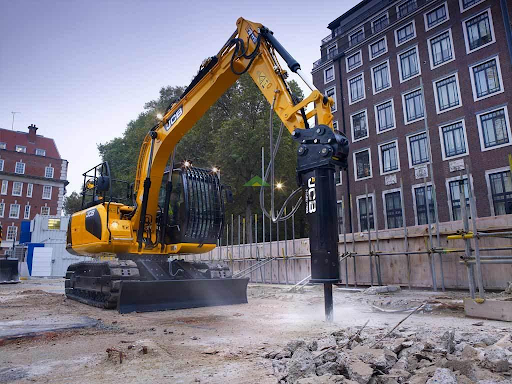
For most infrastructure and construction tasks, the optimal solution is used crawler excavator that is already adapted to real-world operating conditions and requires minimal delivery lead times. At TAD Group, the selection of such equipment is based on the specifics of the project, seasonal factors, and permissible loads, reducing the risk of downtime and ensuring a smooth construction start-up, even with tight deadlines.