Head office: 1Ya, Vyhovskoho st., office 37, Irpin, Ukraine
 Mon-Fri: 08:30-18:30


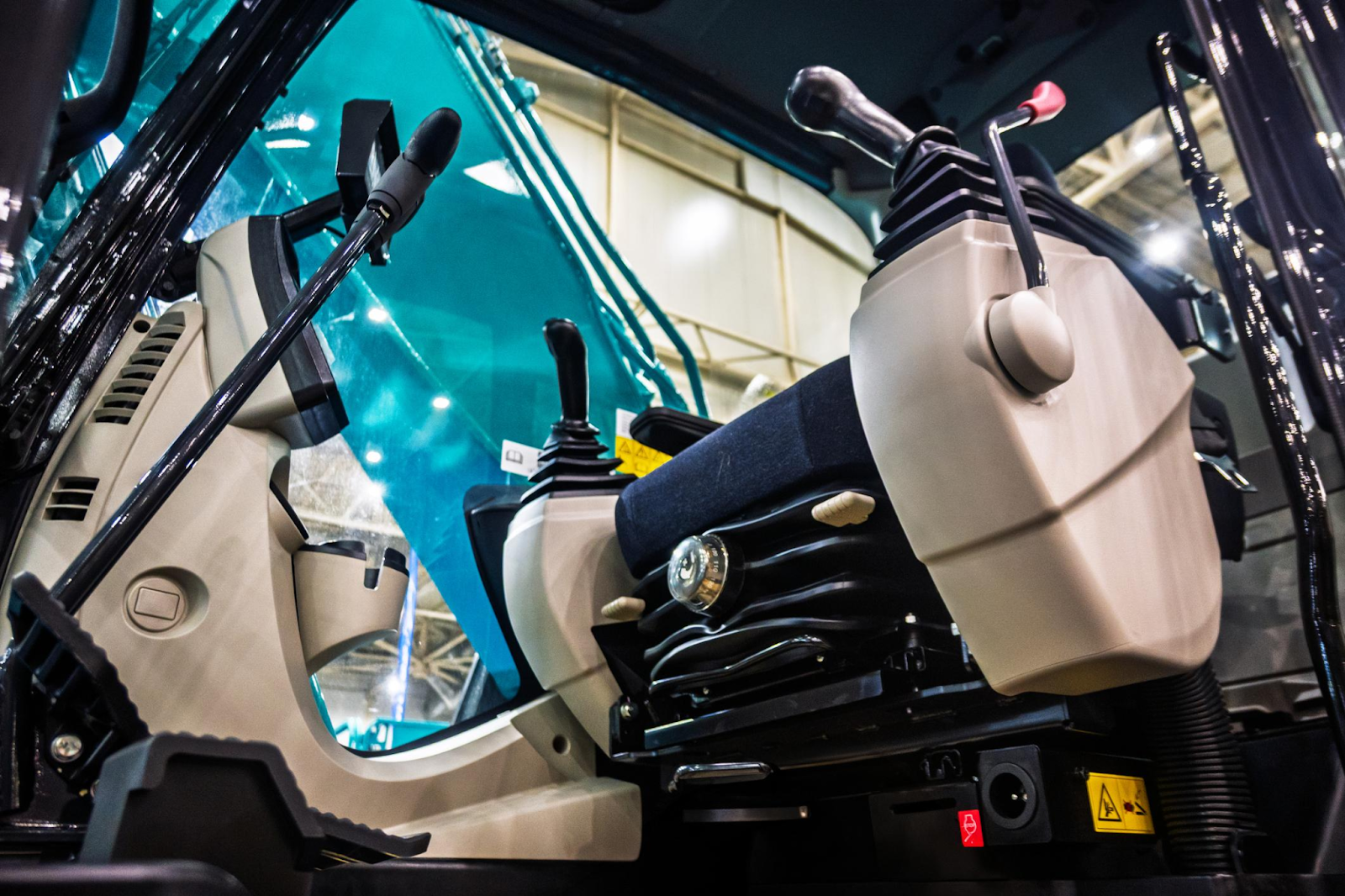
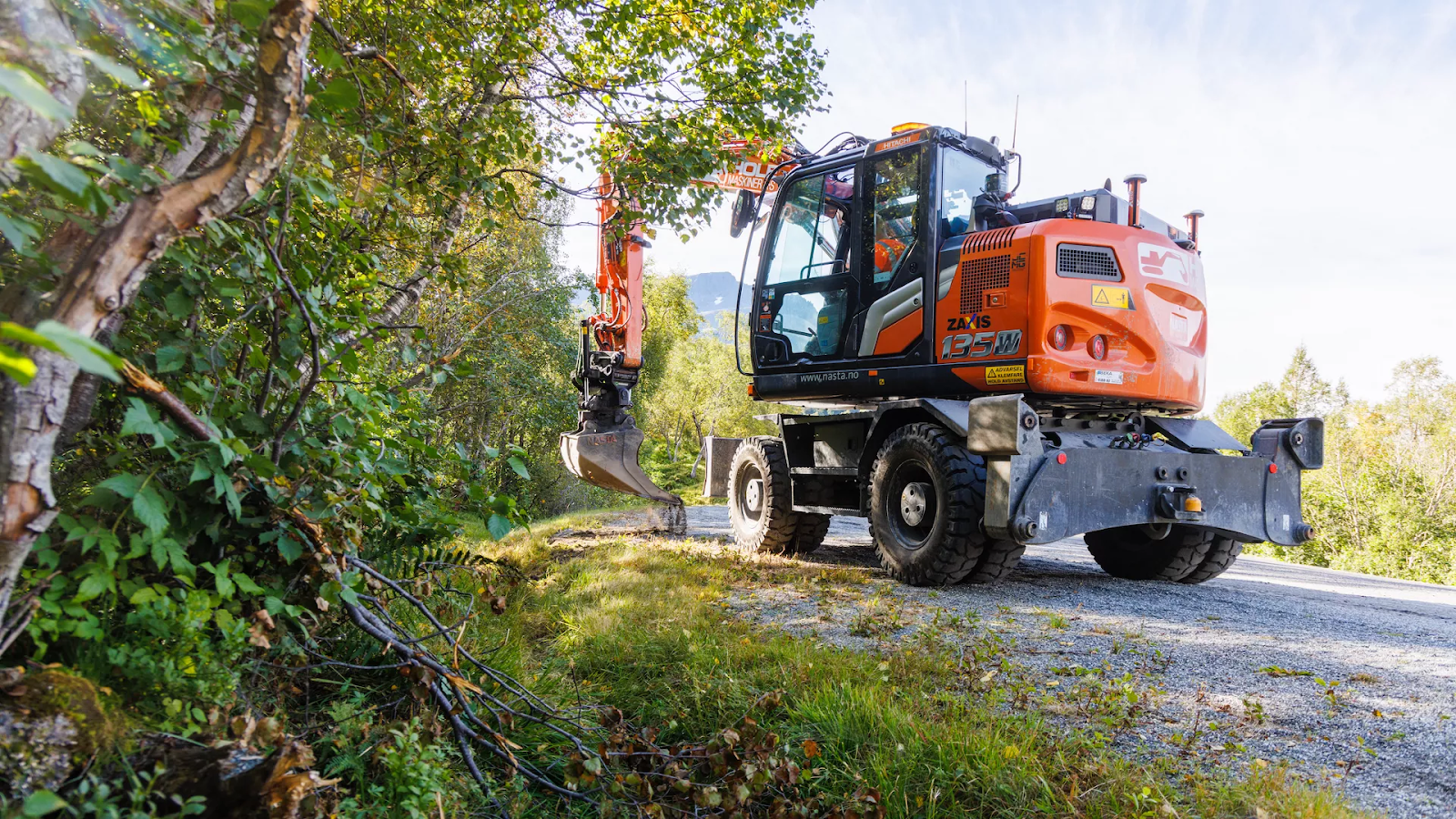
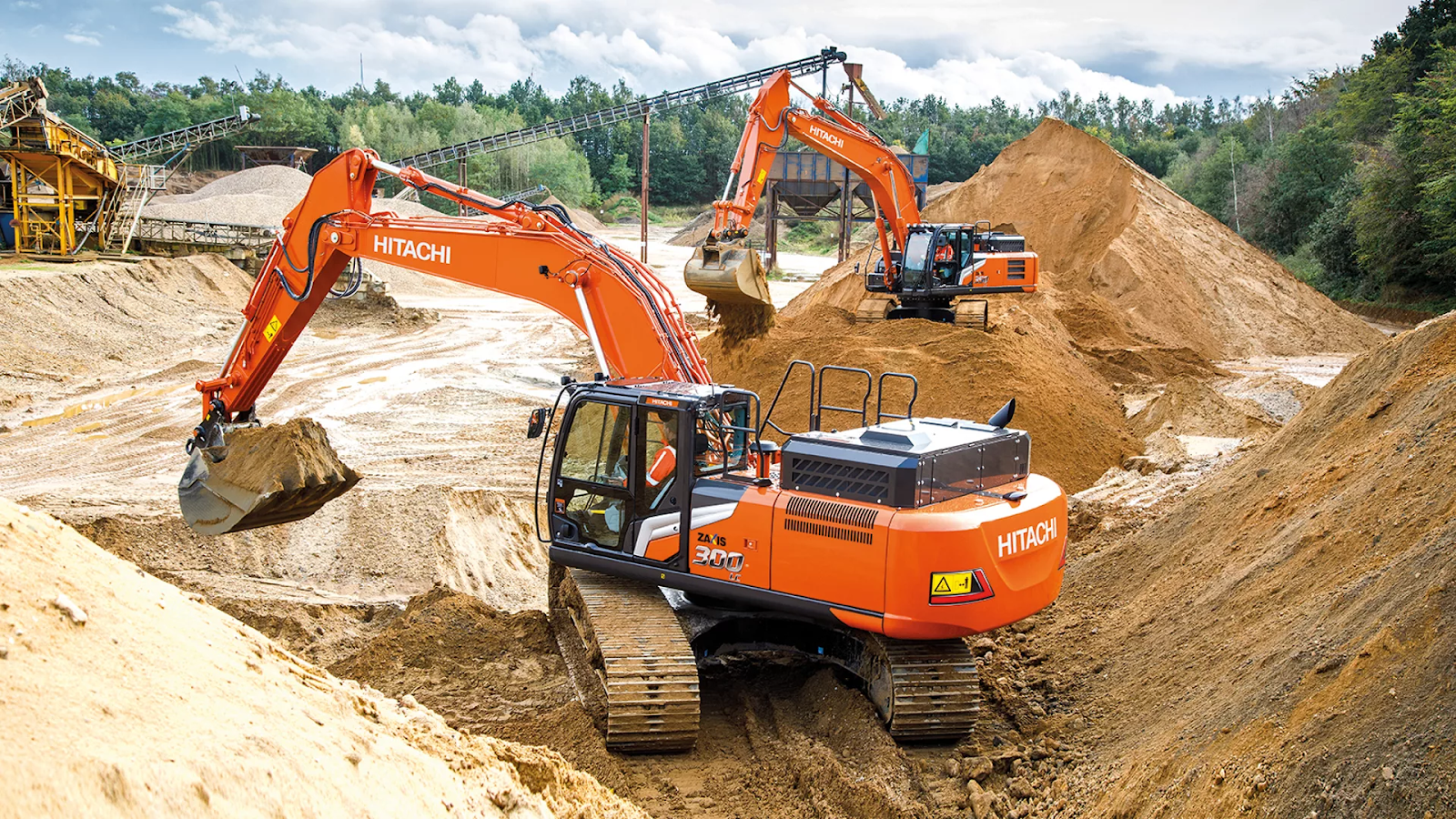
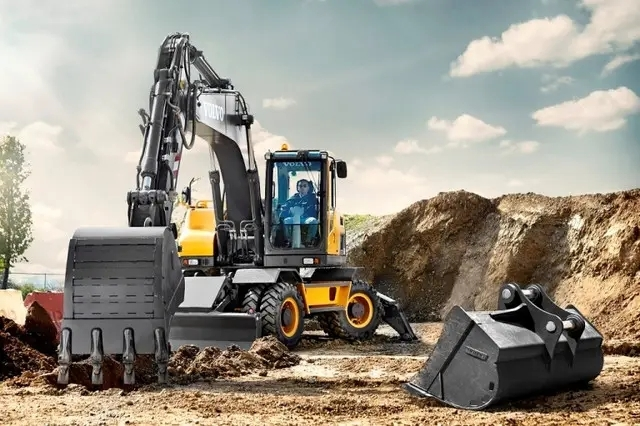
Older-generation excavators often retain a high service life for their engines, hydraulics, and undercarriage, but their cabs often fail to meet modern comfort and safety requirements. Noise levels, vibration, poor visibility, and the lack of air conditioning directly impact operator fatigue and productivity. This raises the obvious question: is it possible to upgrade an older excavator’s cab to meet modern standards without replacing the entire machine?
Why the cabin becomes the weak point of the equipment
Older excavator models focused on power and durability, while operator comfort was considered secondary. Over time, this leads to a number of problems:
- increased operator fatigue;
- decreased concentration and control precision;
- increased risk of errors and emergency situations;
- difficulties in attracting qualified operators.
Modern comfort standards are directly linked to operating economy: the better the conditions in the cabin, the more stable the equipment’s operation.
What cabin elements can be upgraded?
Upgrading a cabin doesn’t necessarily mean replacing it entirely. In practice, a phased modernization of individual components is more common.
Operator’s Seat:
One of the most effective upgrades. Modern seats with air suspension, heating, and adjustments:
- reduce the load on the spine;
- compensate for vibrations;
- allow the operator to work longer without losing concentration.
Noise and vibration insulation.
Additional insulating materials reduce engine and hydraulic noise. This is especially important for older vehicles, where sound insulation is minimal or has lost its effectiveness.
Climate control systems:
Even if the base model doesn’t include air conditioning, it can be installed. The following can also be upgraded:
- heaters;
- ventilation systems;
- Cabin air filtration.
Lighting and Visibility
Replacing headlights with LED lighting, installing additional work lights and rear-view cameras significantly improves safety and ease of operation, especially at night.
Controls and electronics
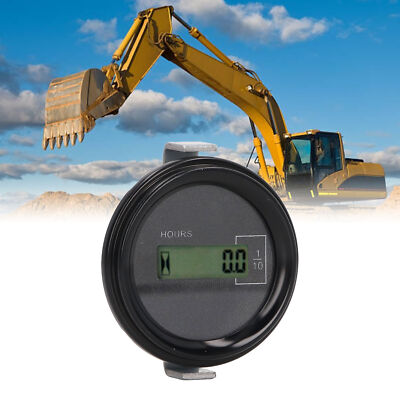
In some cases, it is possible to install more ergonomic joysticks, digital displays, temperature and pressure sensors, which simplifies monitoring of the machine’s condition.

Limitations and technical nuances of modernization
Despite the wide range of update options, there are objective limitations:
- the geometry of the cabin does not always allow the installation of modern elements without modification;
- older models may not support the integration of complex electronics;
- The cost of a major upgrade can sometimes approach the difference between an older and a newer car.
Therefore, before upgrading, it is important to evaluate the technical condition of the excavator as a whole and the economic feasibility of the modifications.
When a cabin upgrade is really worth it
Modernization makes sense if:
- the excavator is technically sound and has sufficient remaining service life;
- the machine is used regularly and intensively;
- there are no plans to replace equipment in the coming years;
- It is necessary to increase the attractiveness of the workplace for the operator.
In such cases, an upgraded cabin can extend the life of the vehicle and increase its value without significant investment.
An alternative to modernization: choosing newer technology
Sometimes a more rational solution is to purchase used equipment with a refurbished cabin. Even in the used segment, modern models offer:
- improved ergonomics;
- climate control;
- increased security;
- compliance with current comfort standards.
This is why many companies are considering special equipment. as an optimal balance between cost, resource and operator operating conditions.
Ready-made solutions with a modern level of comfort
In some cases, upgrading the cab of an older excavator is economically feasible, but in practice, many companies choose a more rational route: purchasing equipment that already meets current requirements for ergonomics, safety, and operator working conditions. Modern used special equipment allows you to get an updated cabin, improved visibility, climate control systems, and reduced noise levels without the expense of complex modifications or the risk of component incompatibility.
At TAD Group, we select used special equipment based on actual operating conditions, remaining service life, and operator comfort requirements, allowing us to immediately put the machine into operation without additional investment or downtime.